Gallery
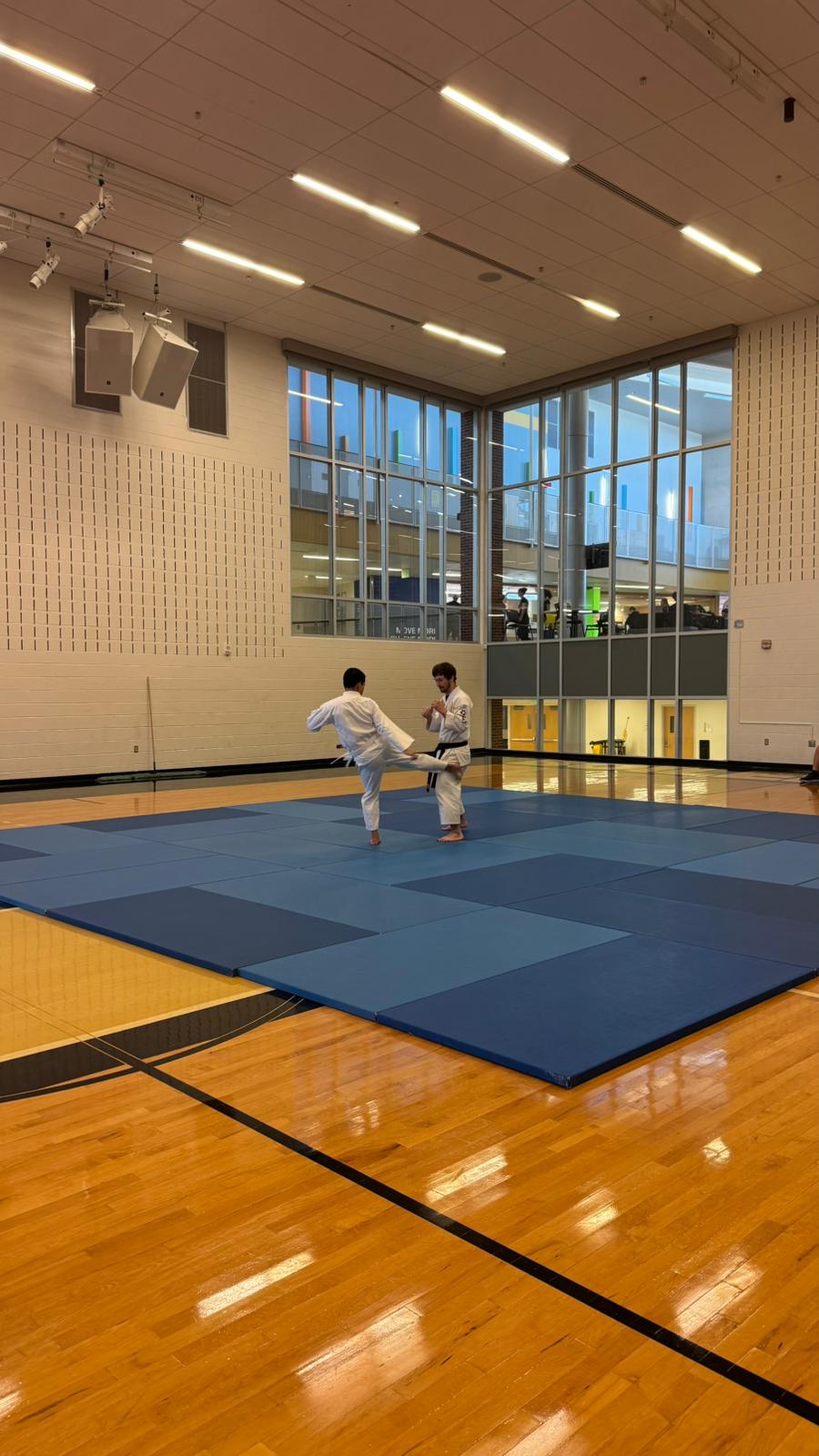
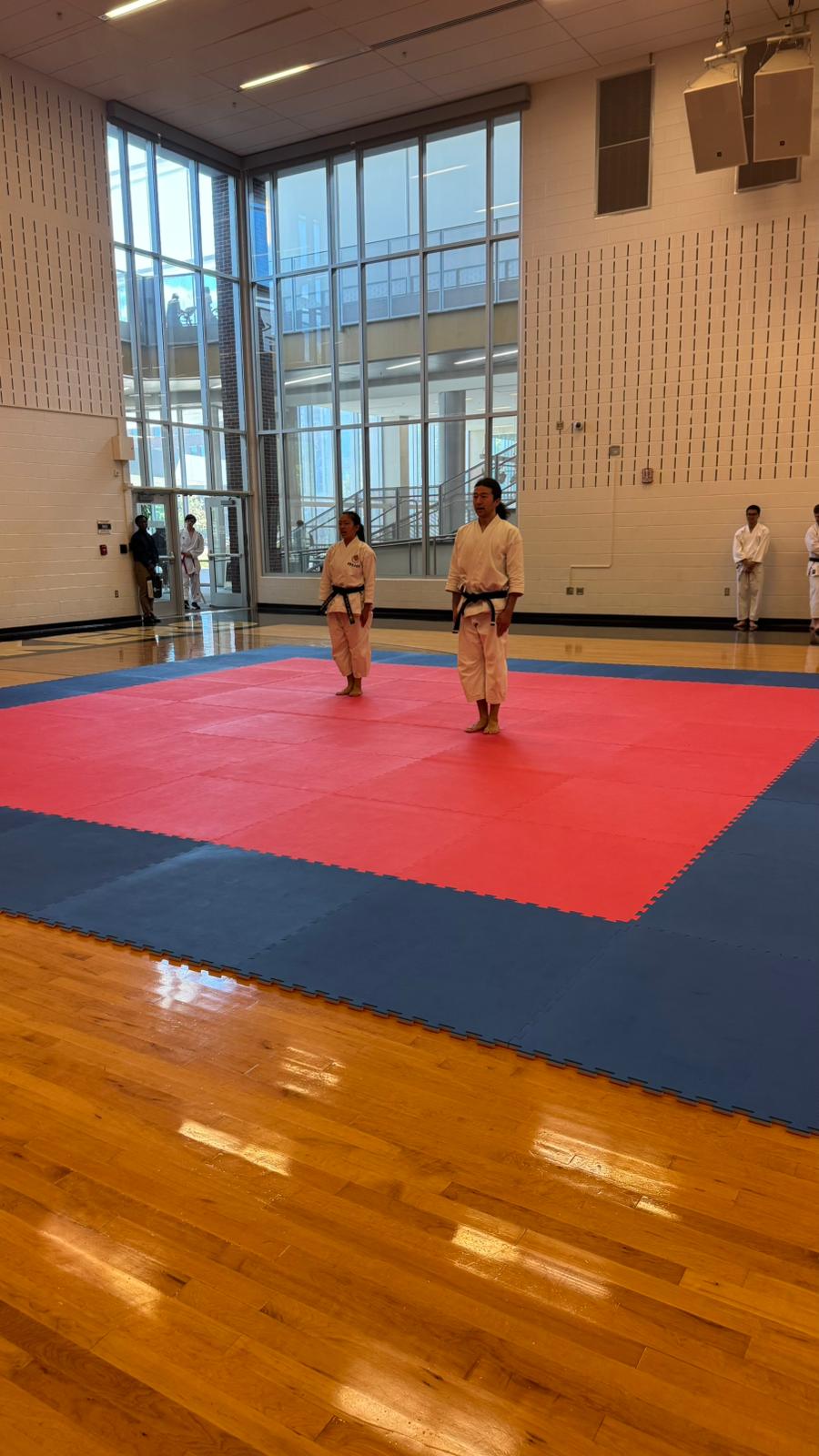
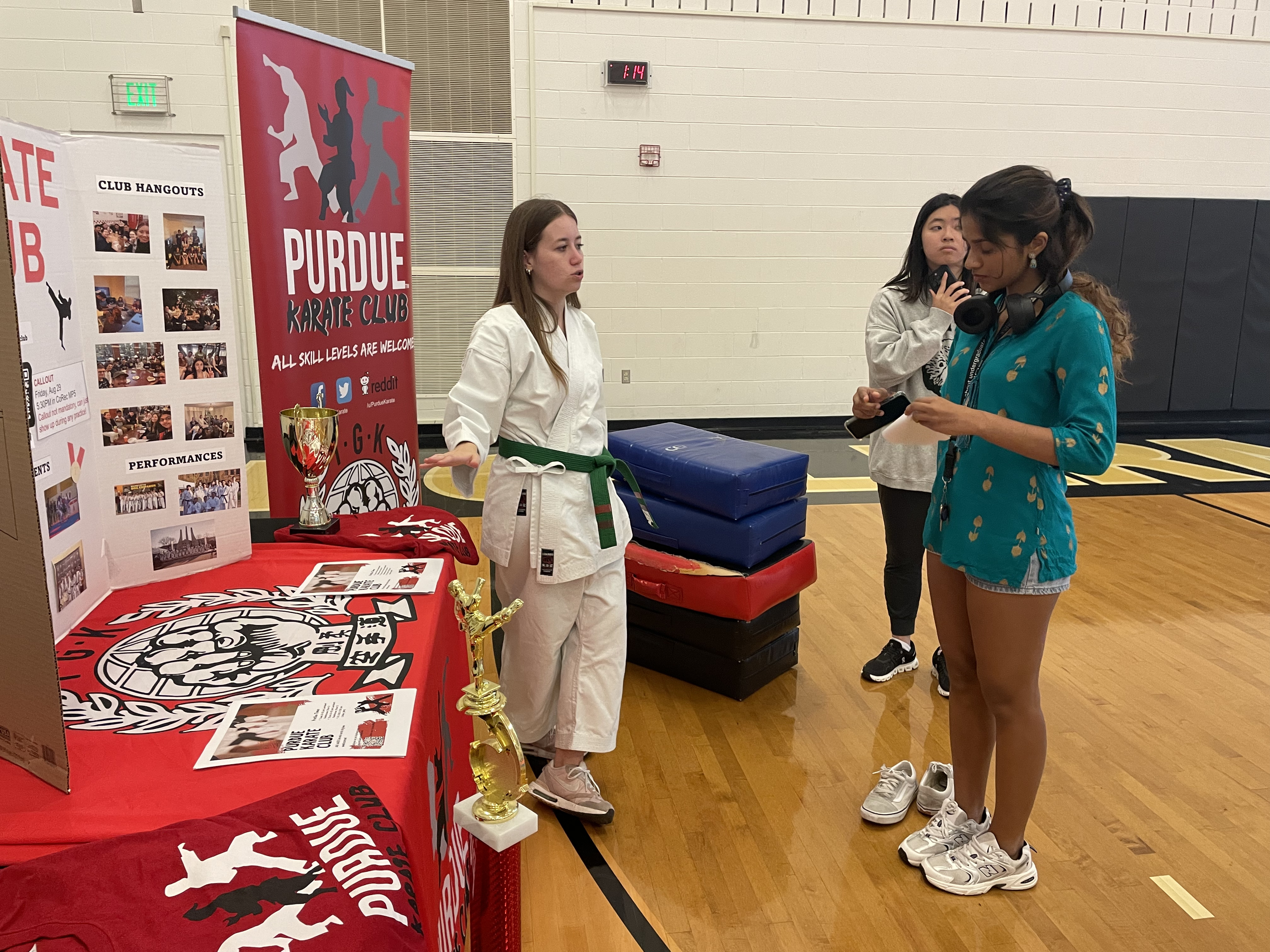
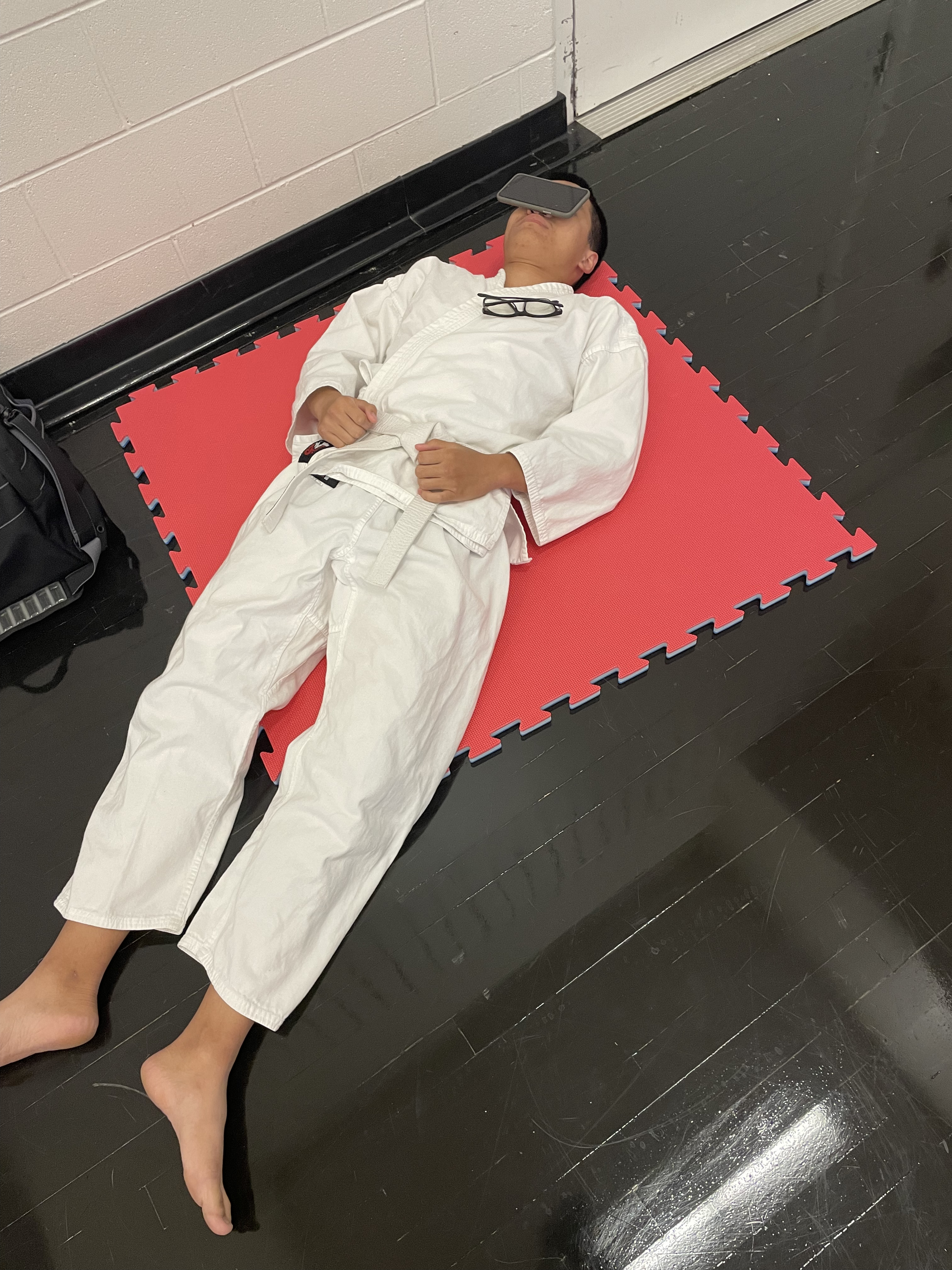
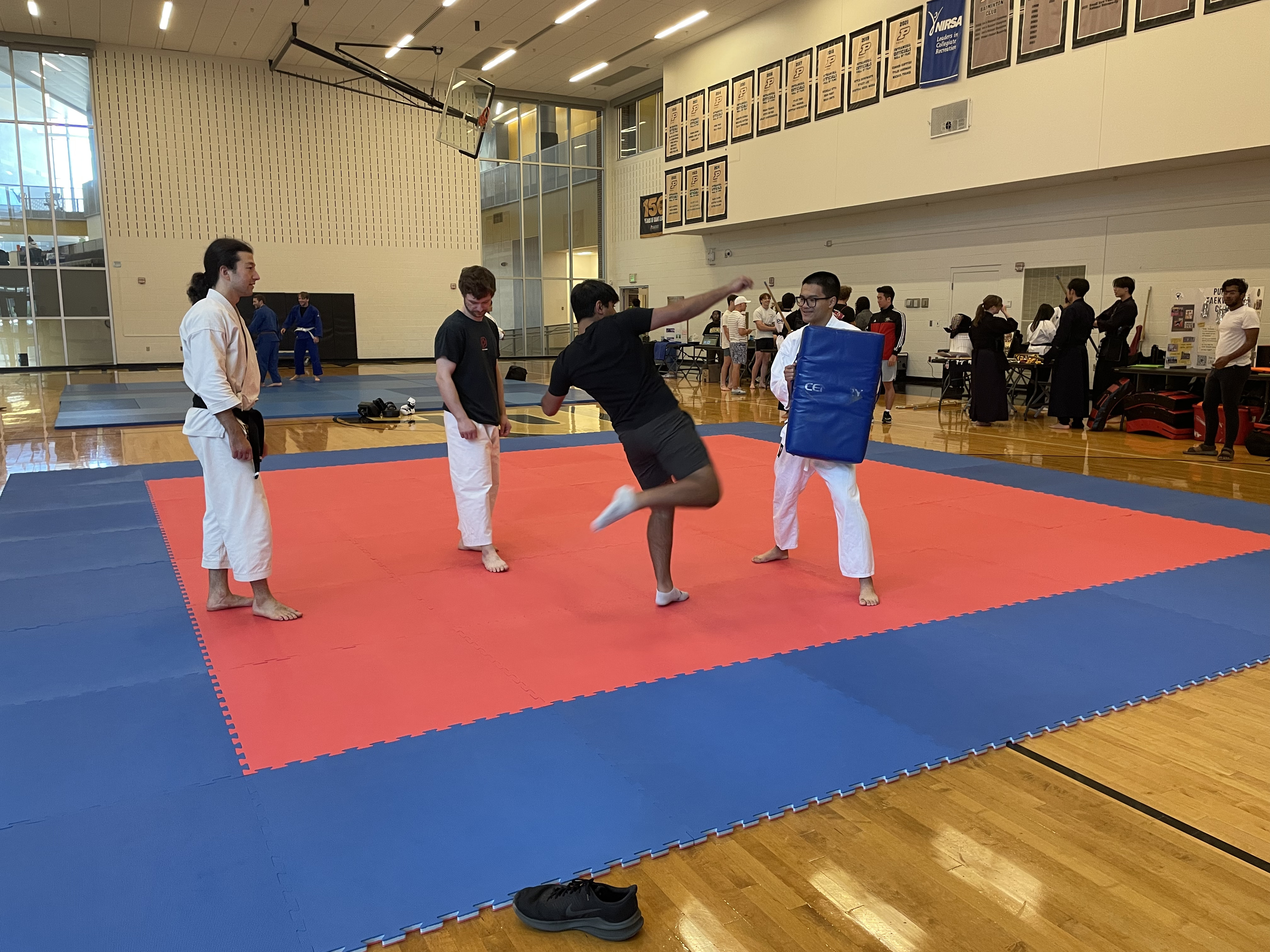
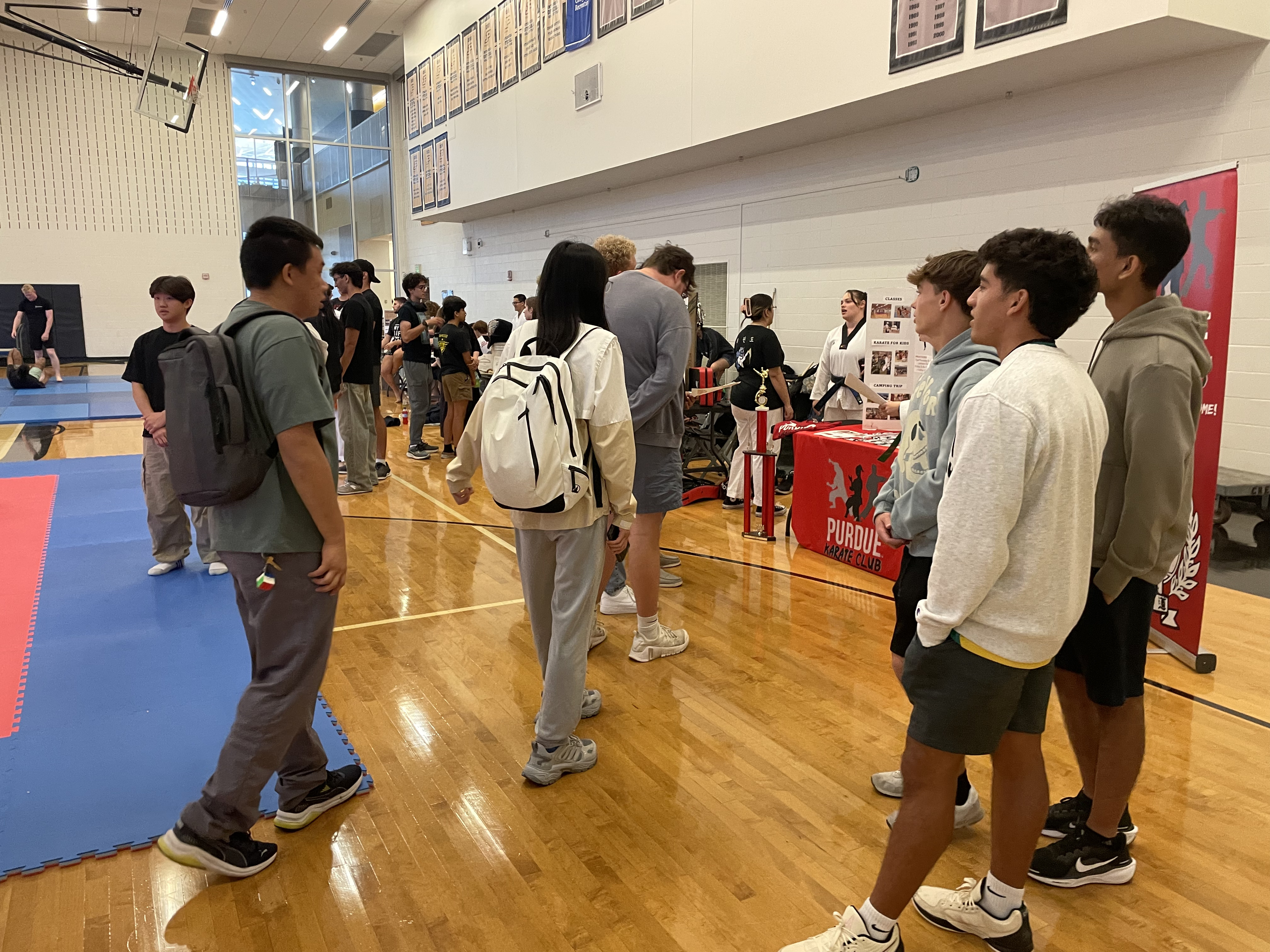
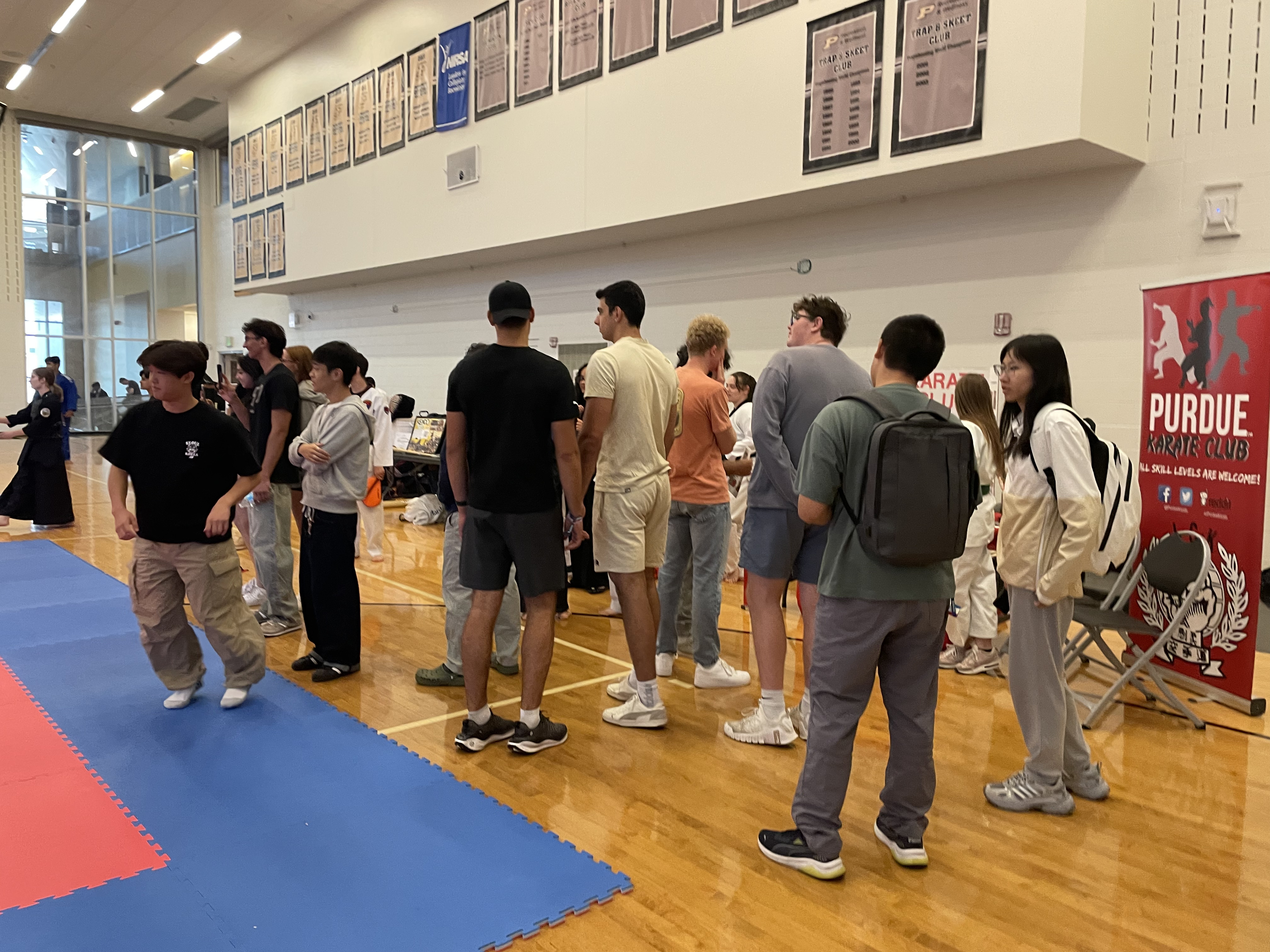
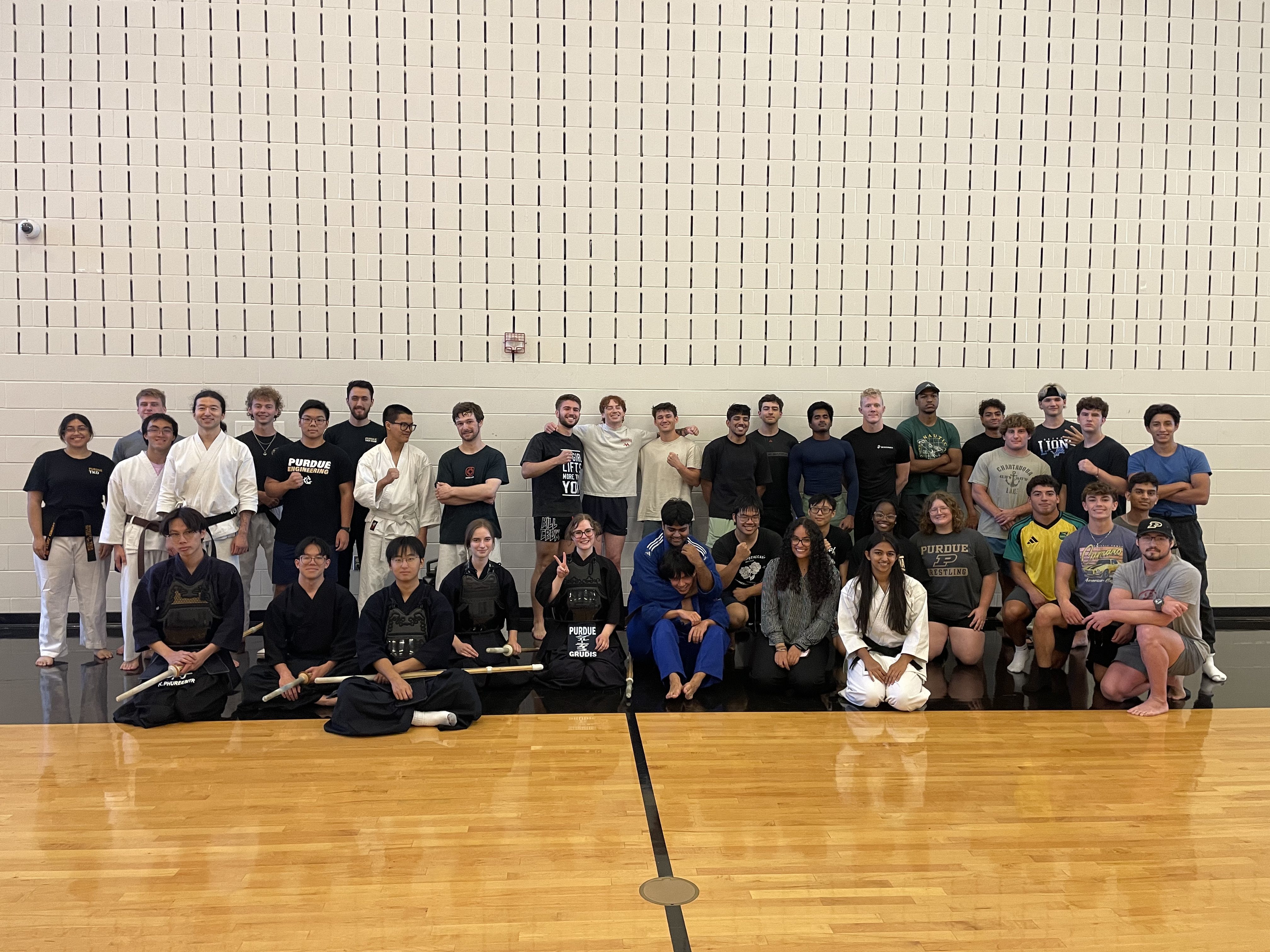
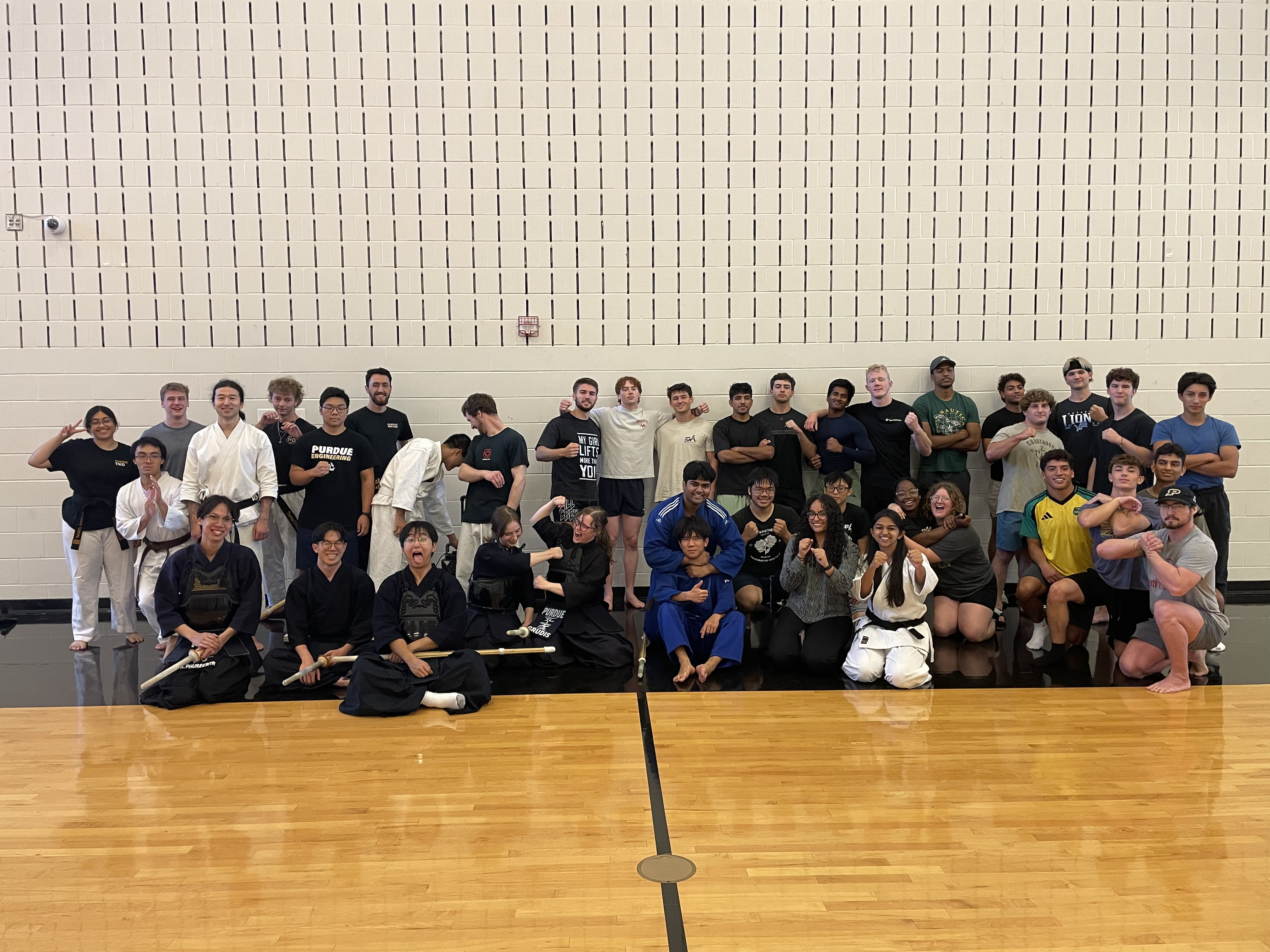
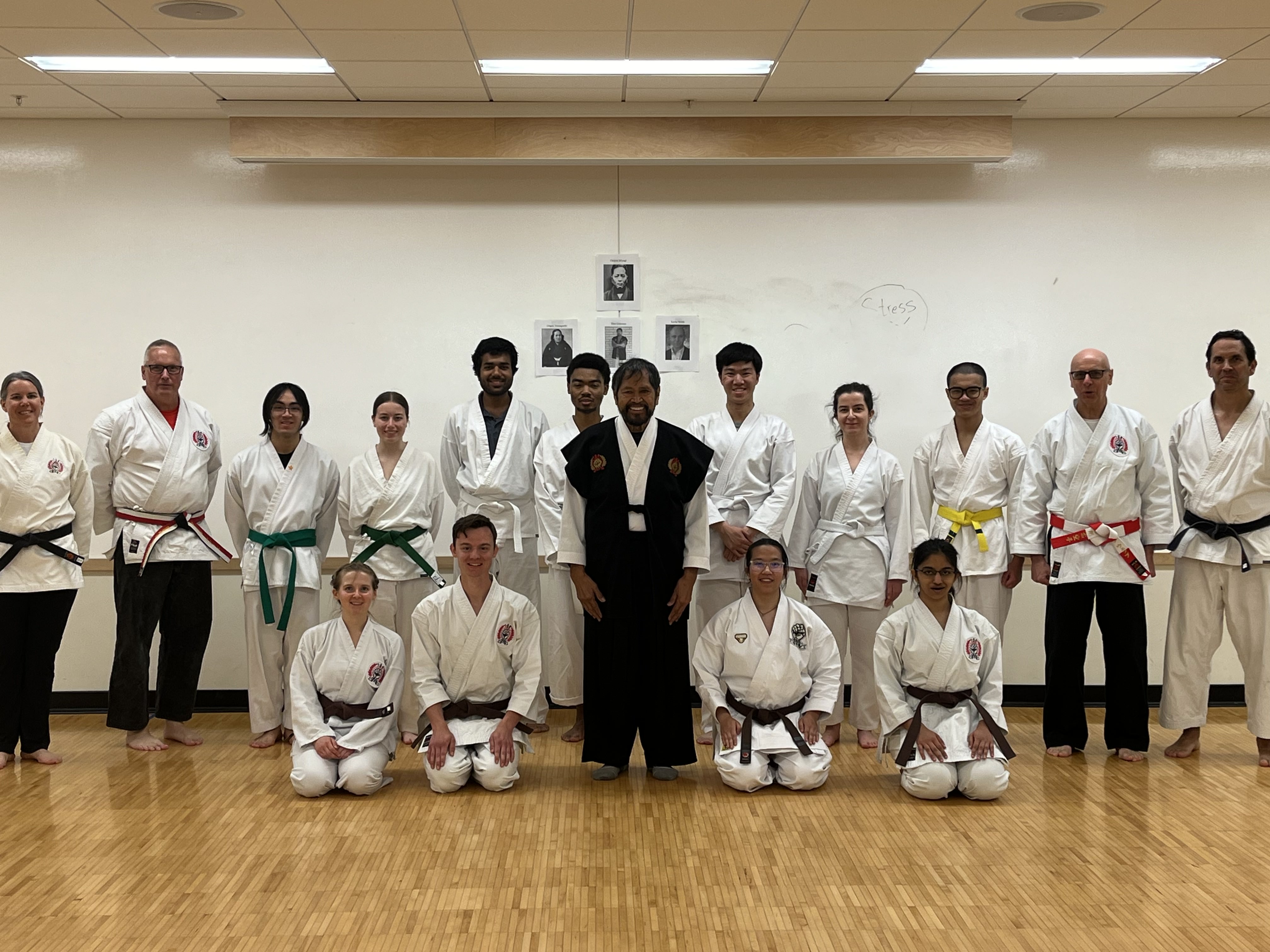
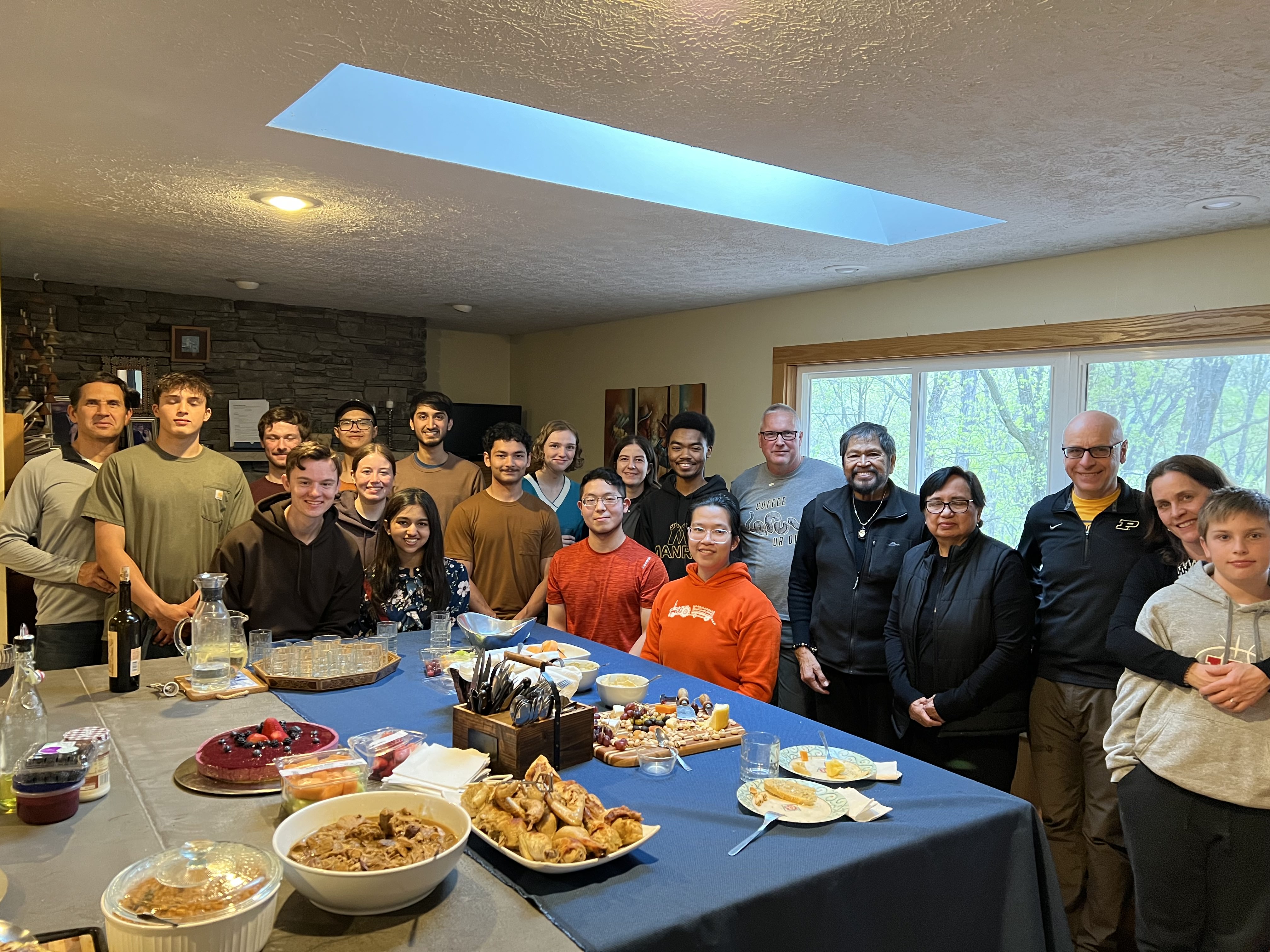
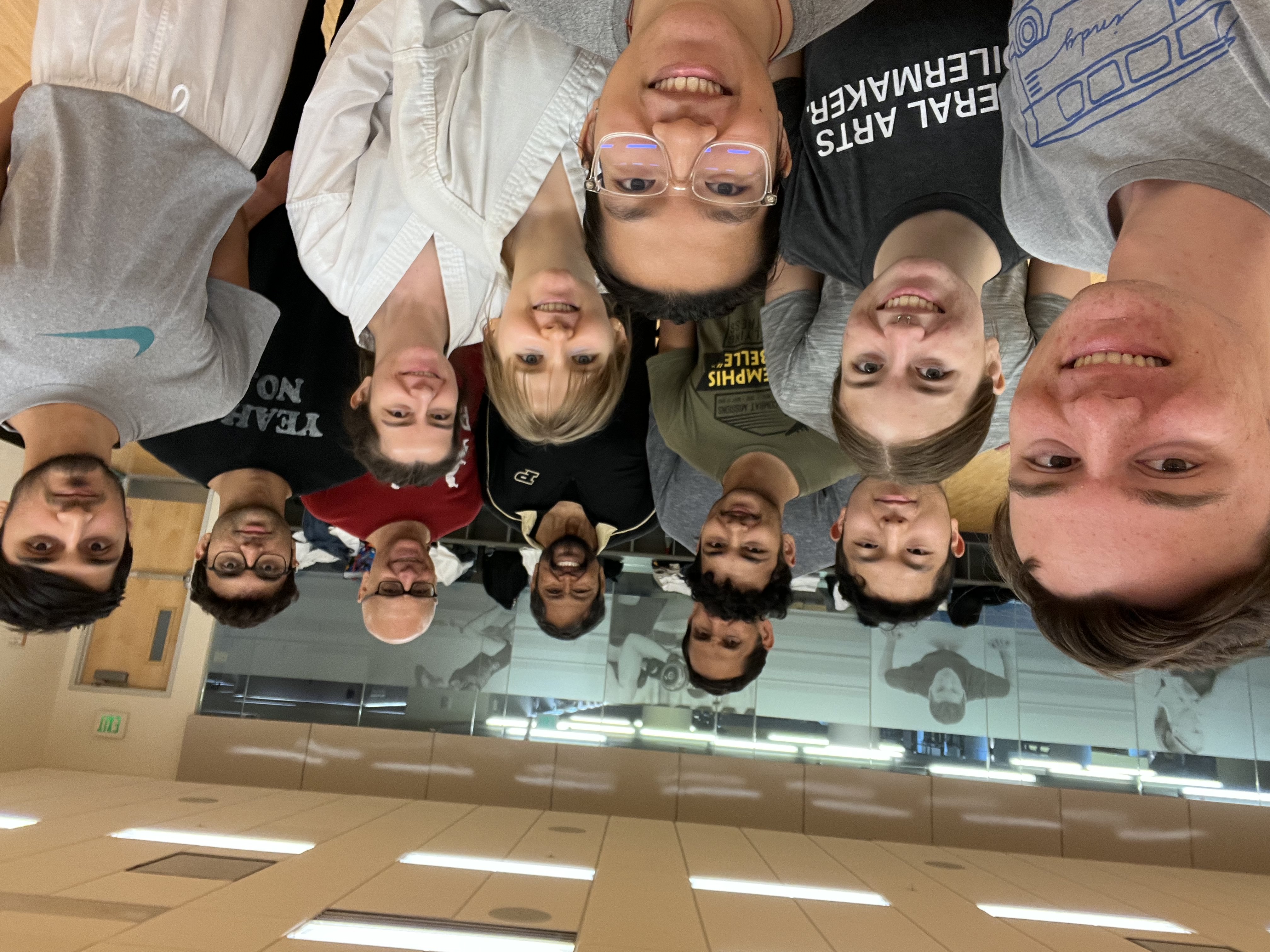
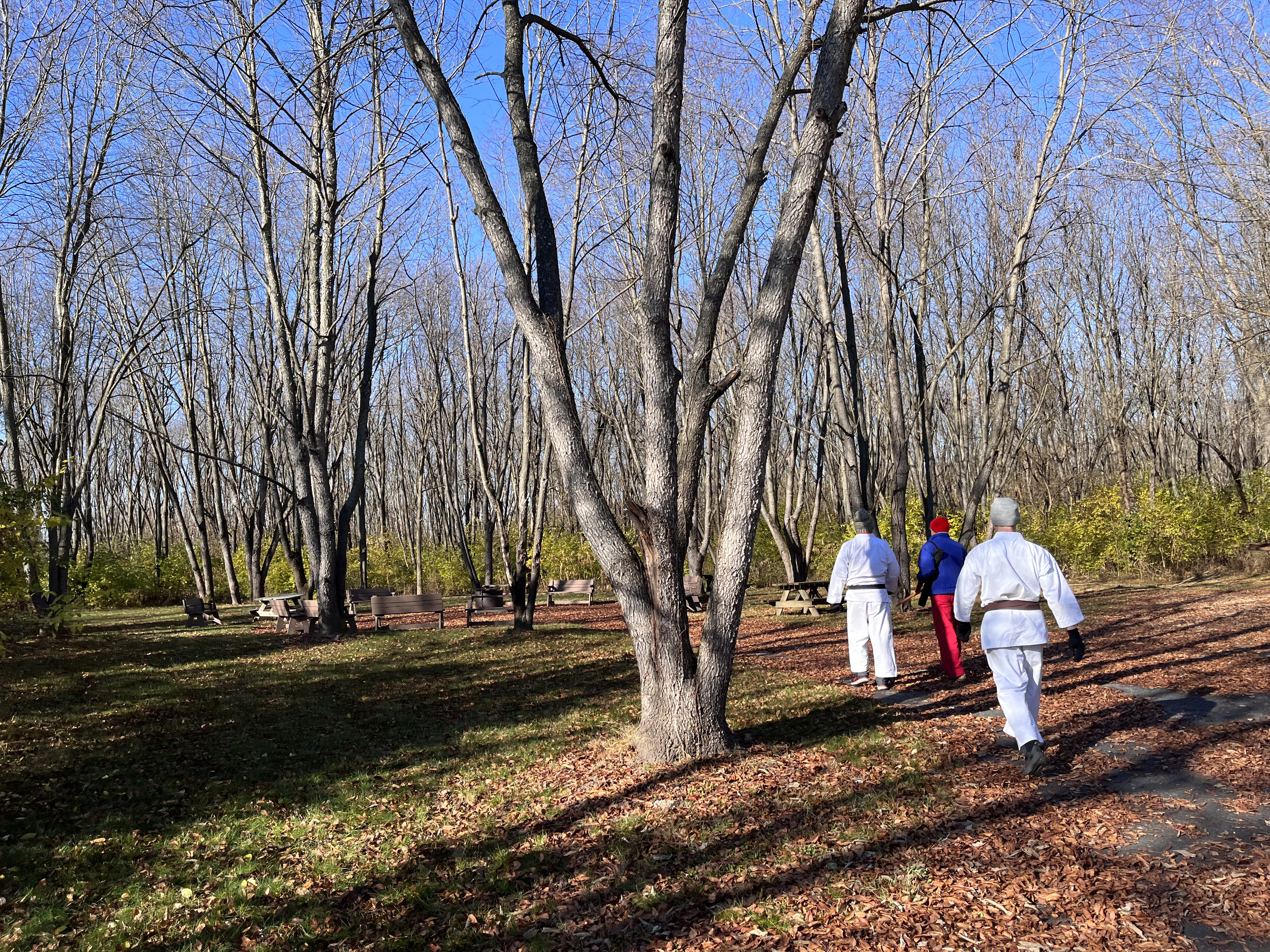
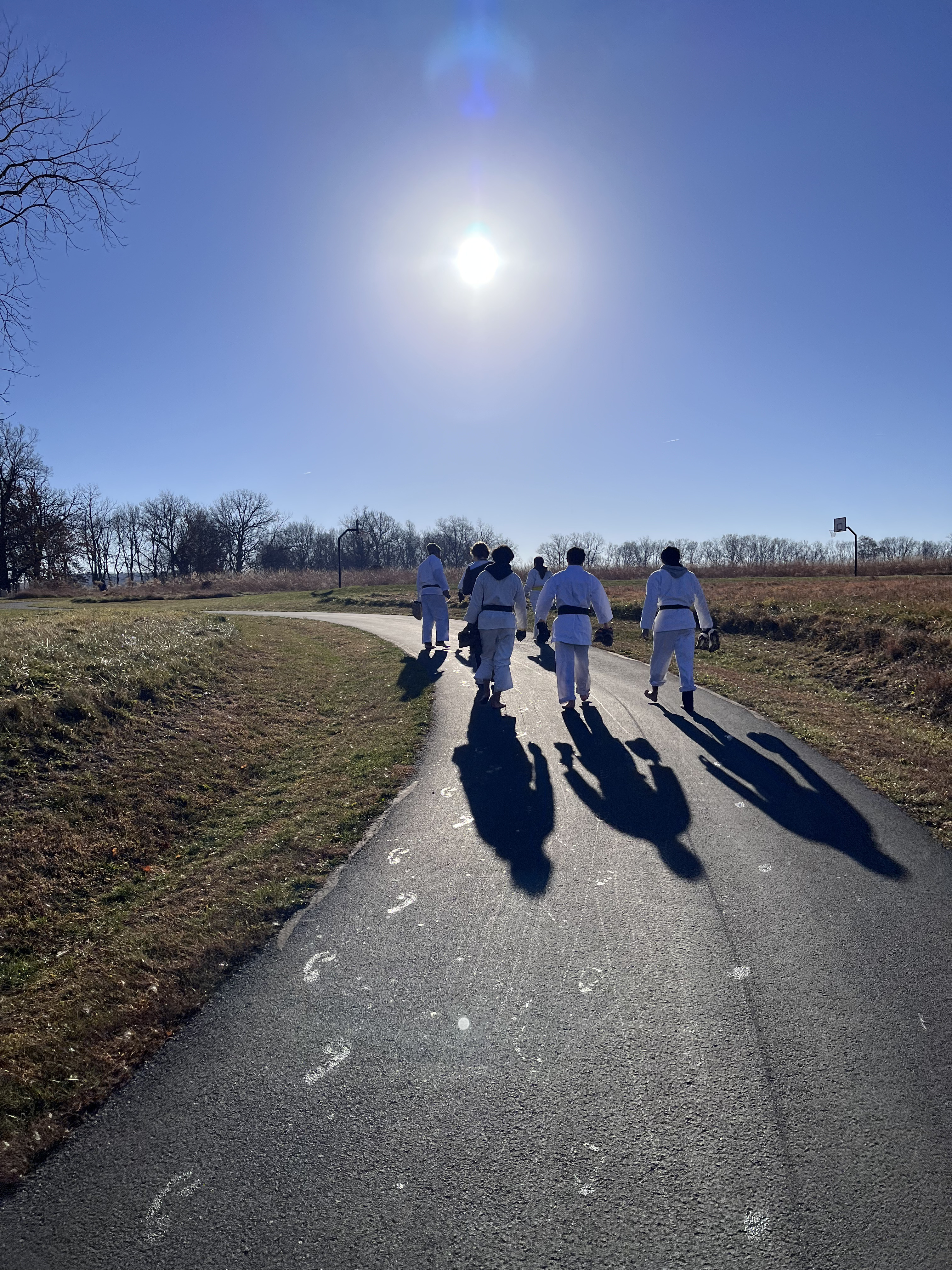
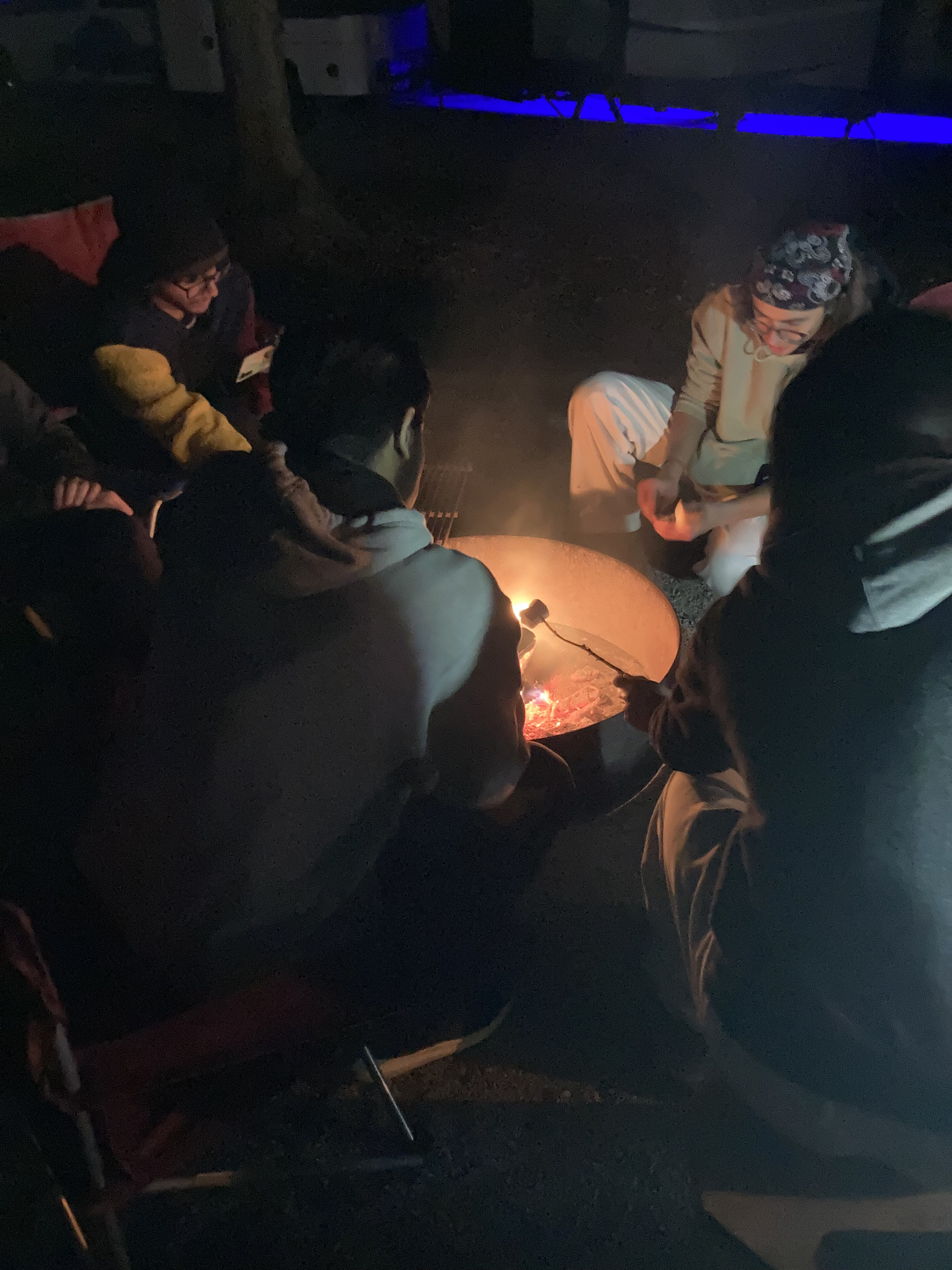
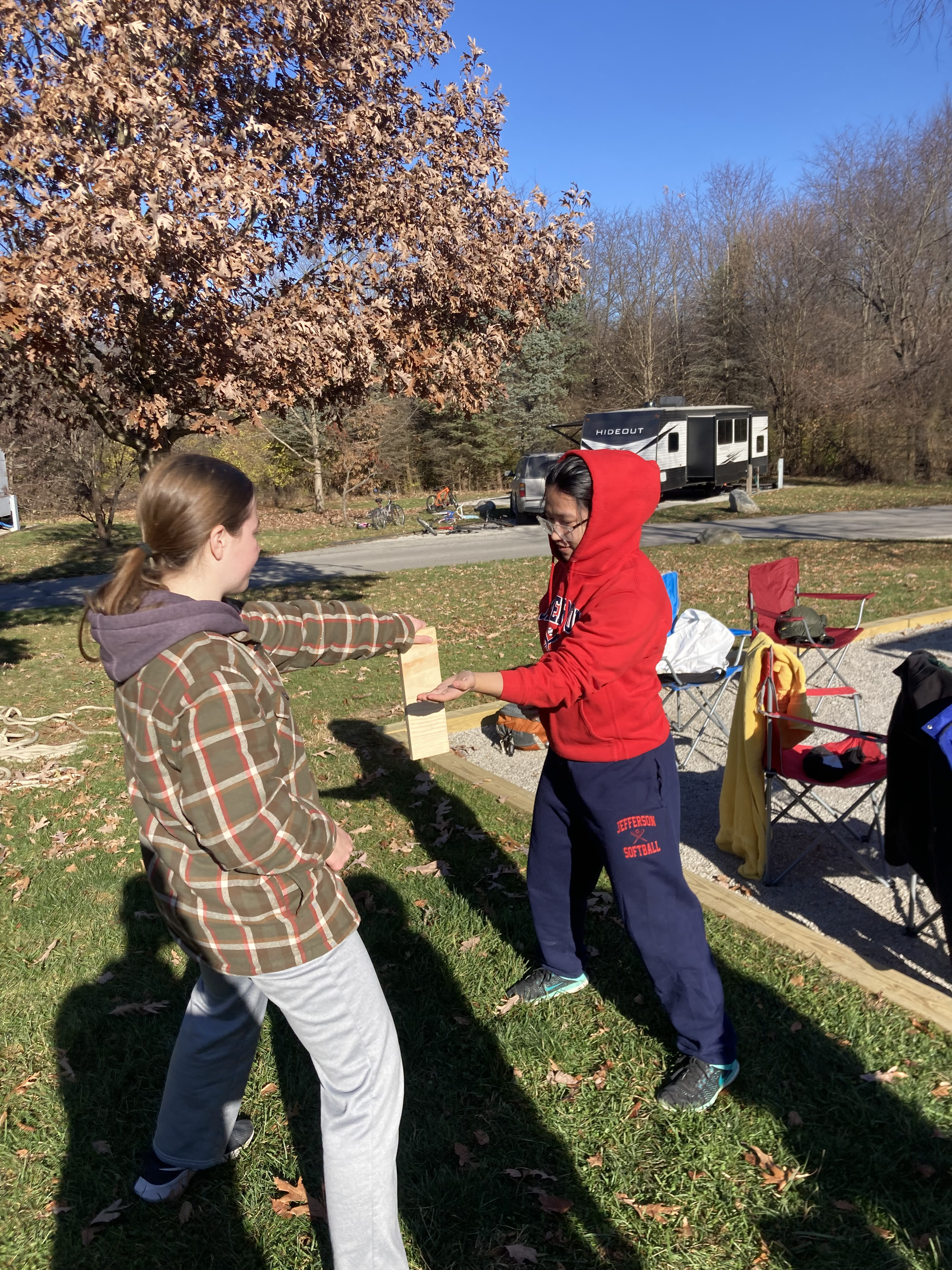
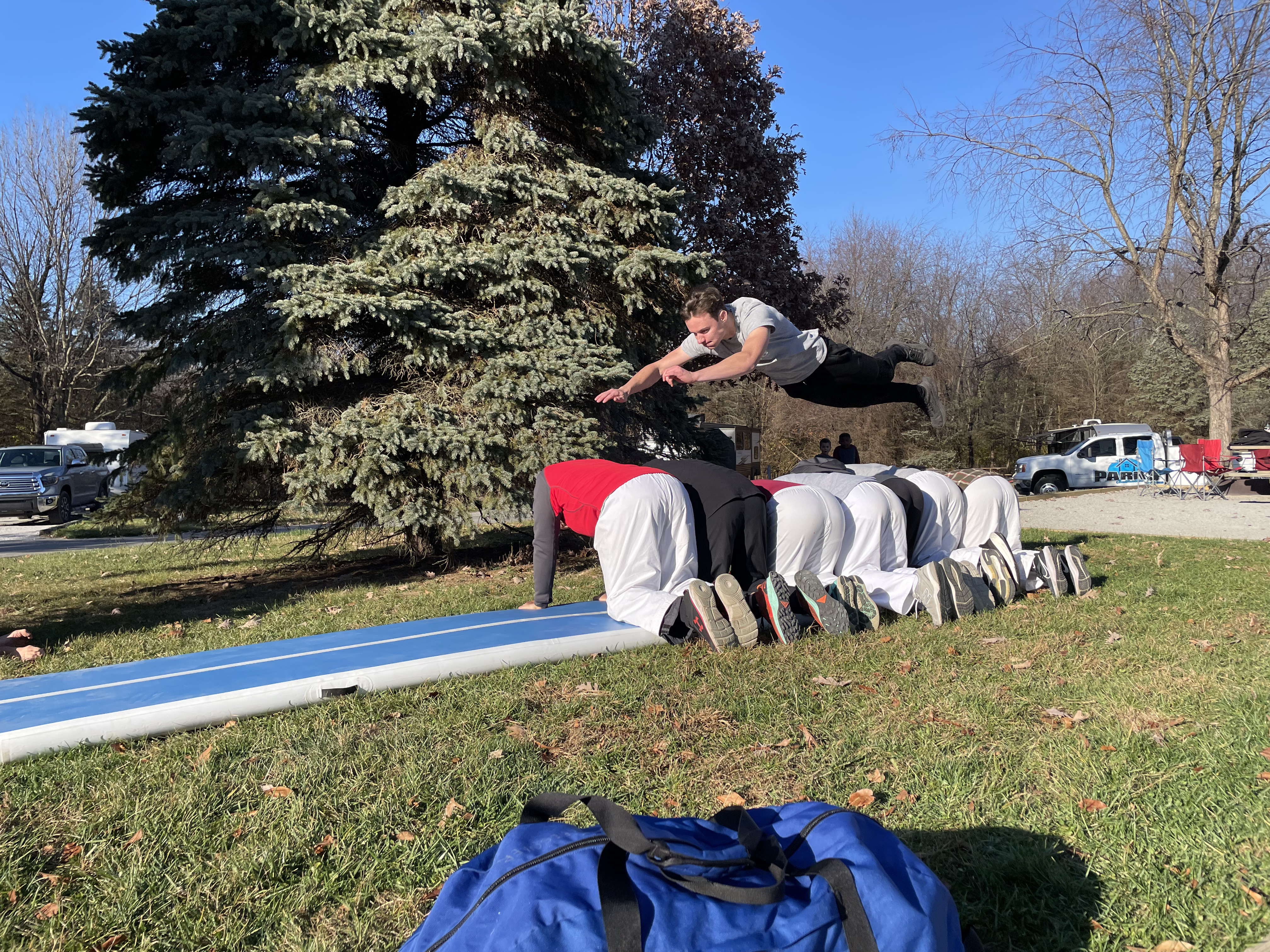
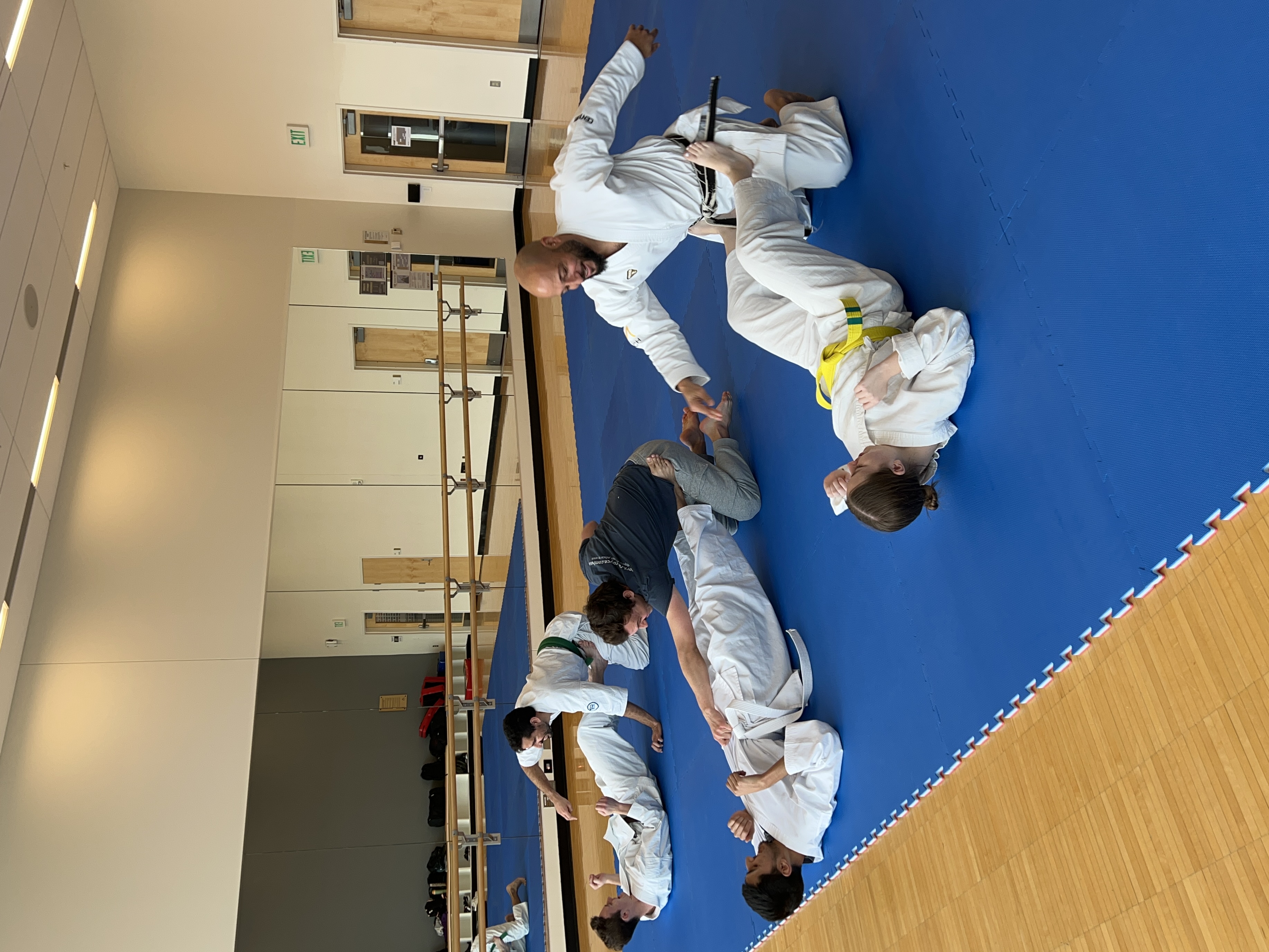
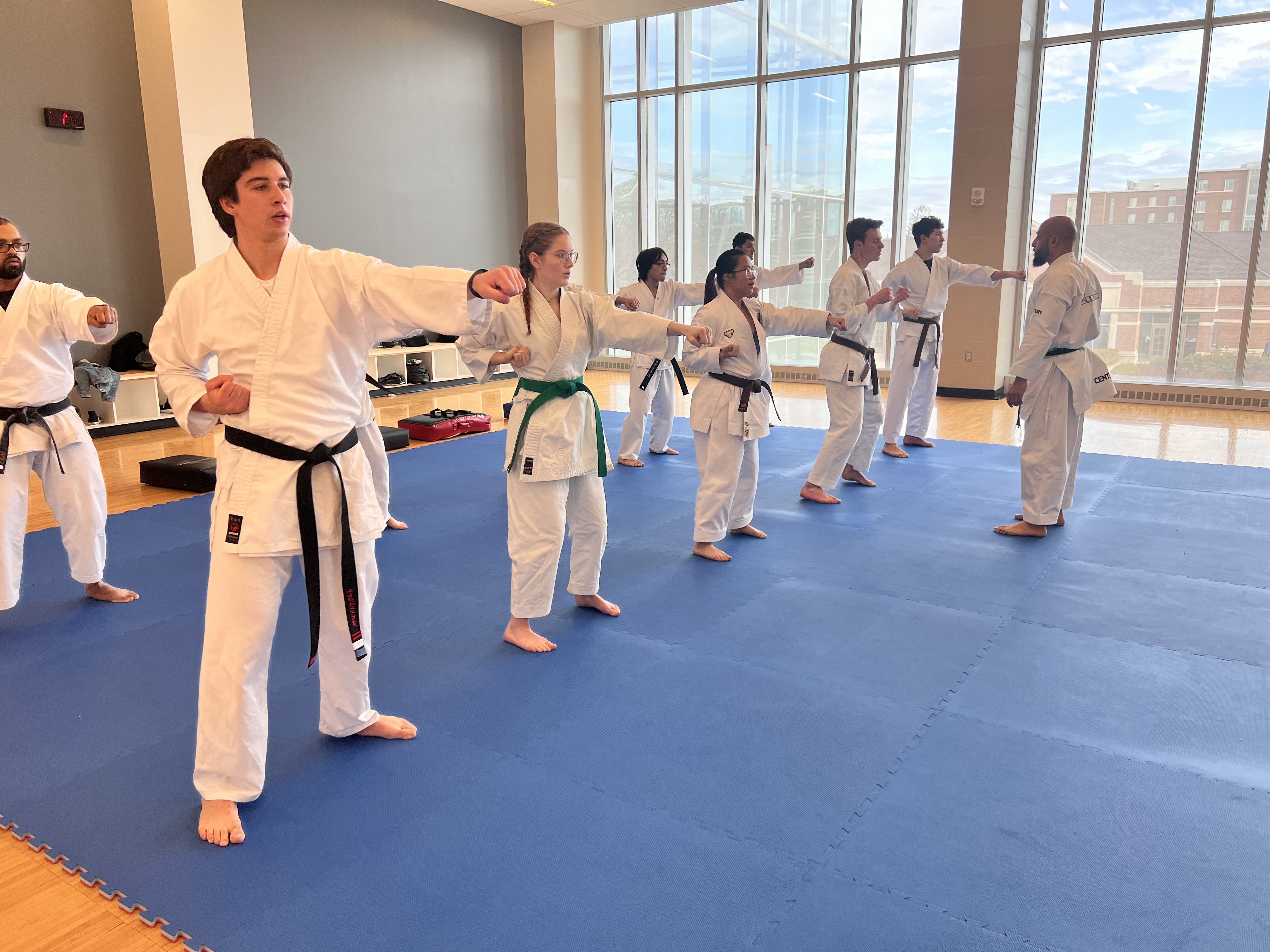
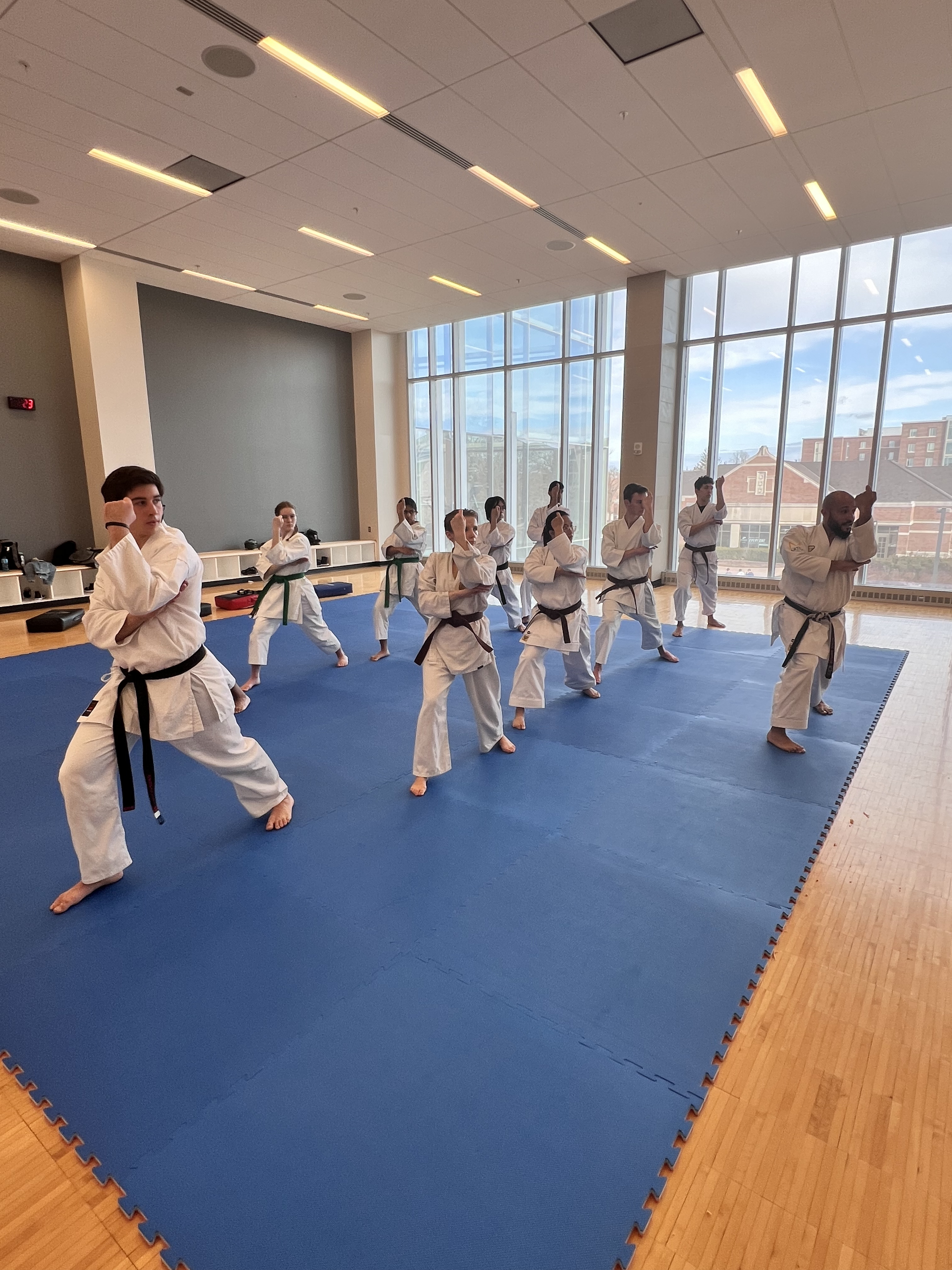
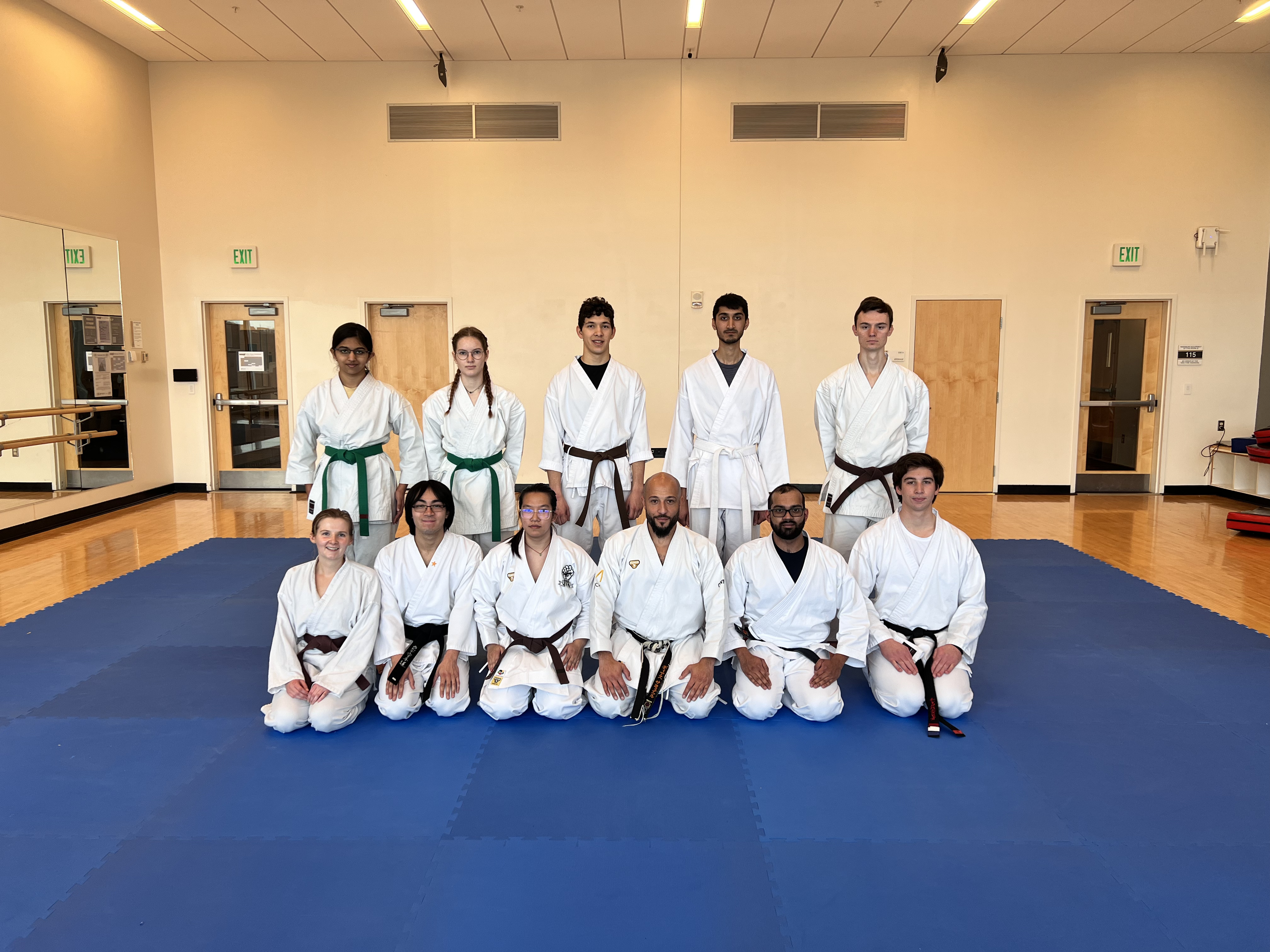
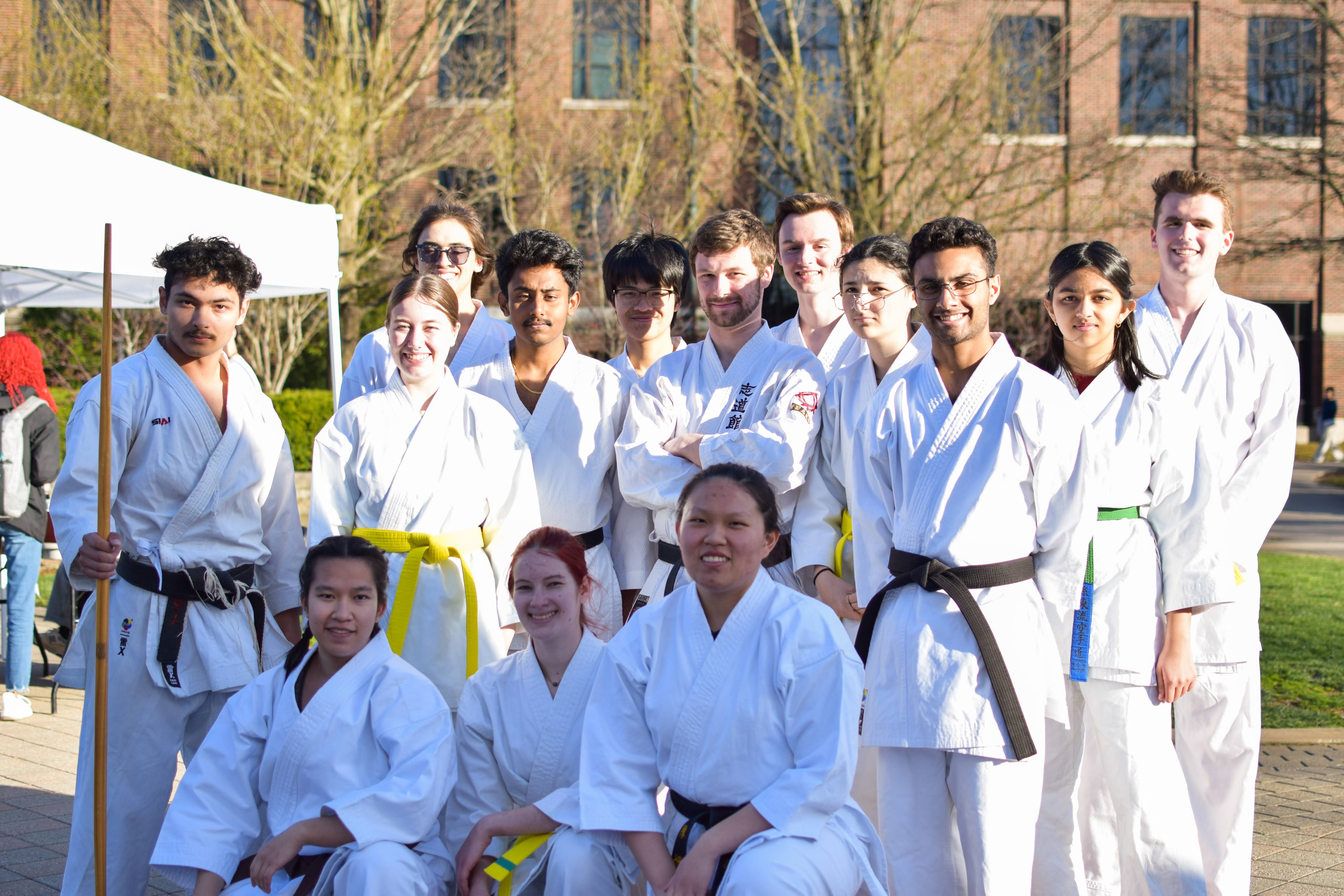
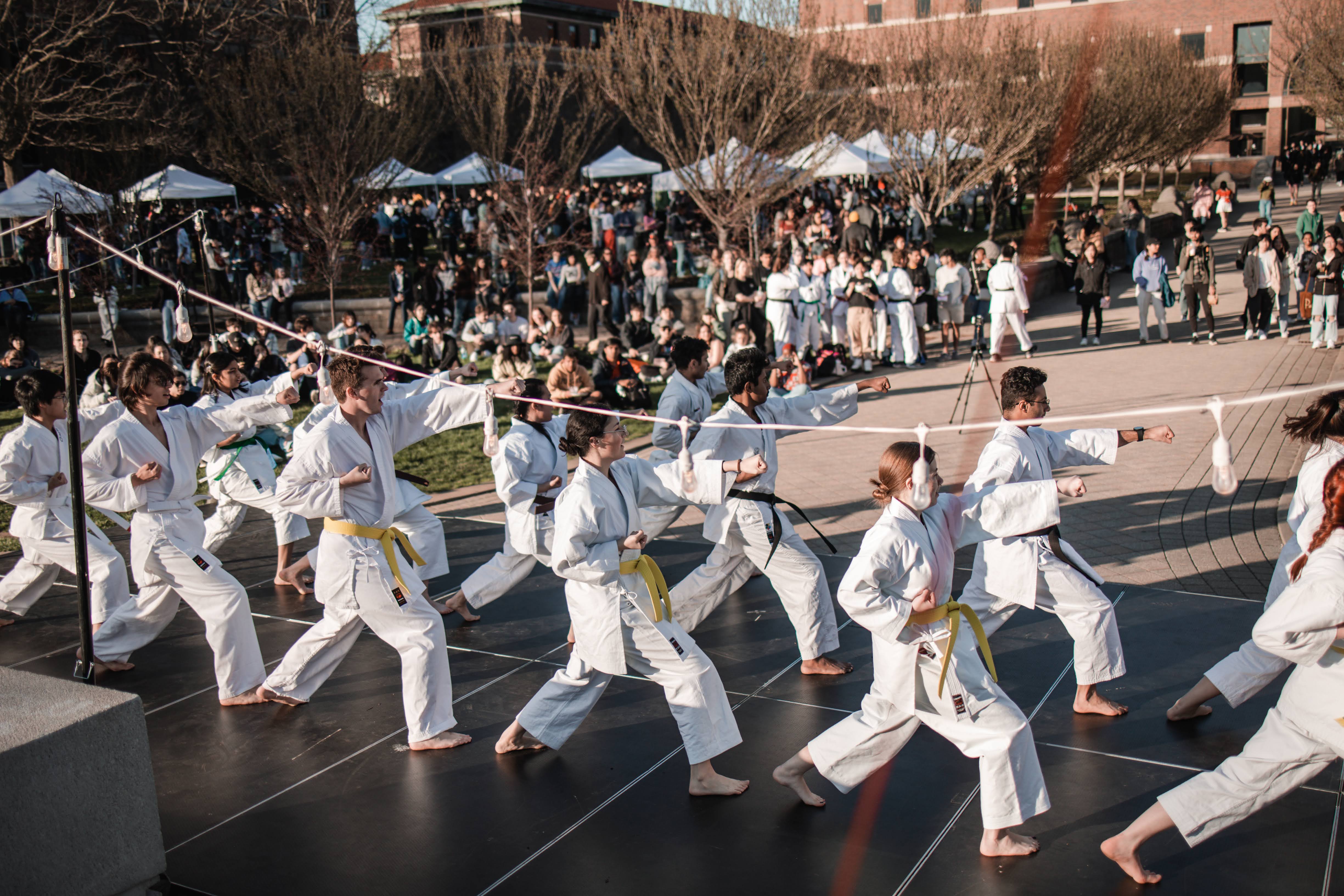
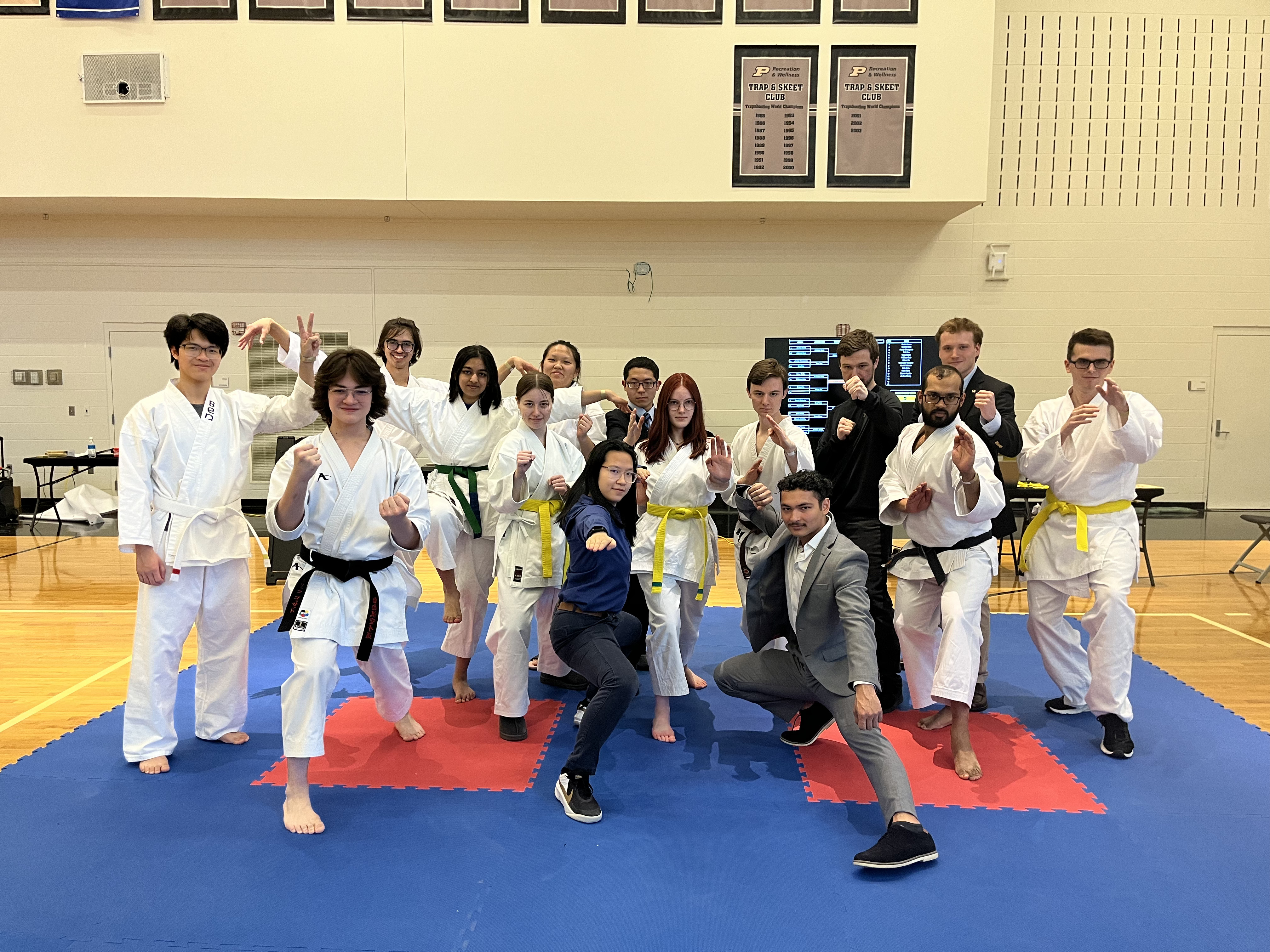
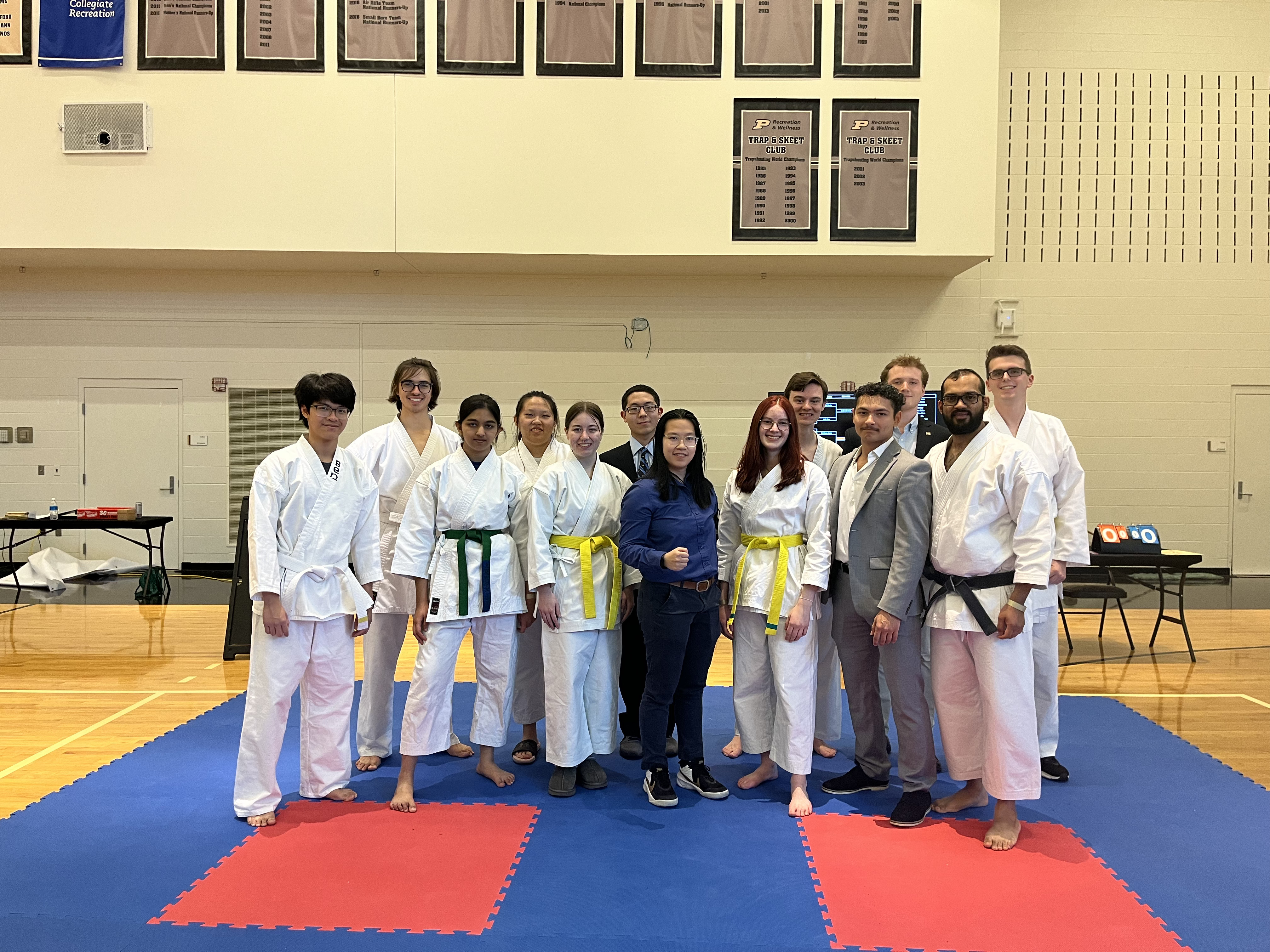
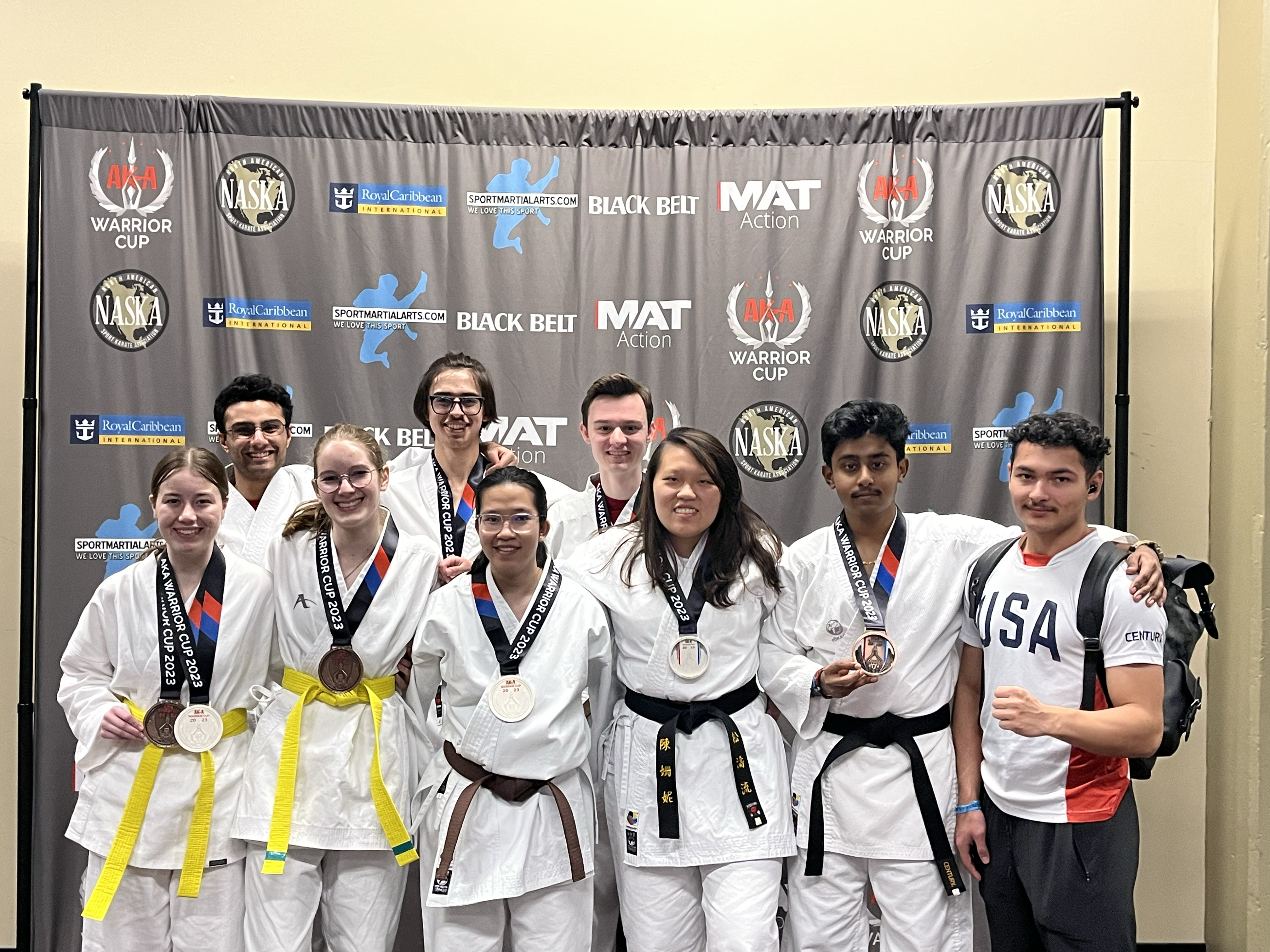
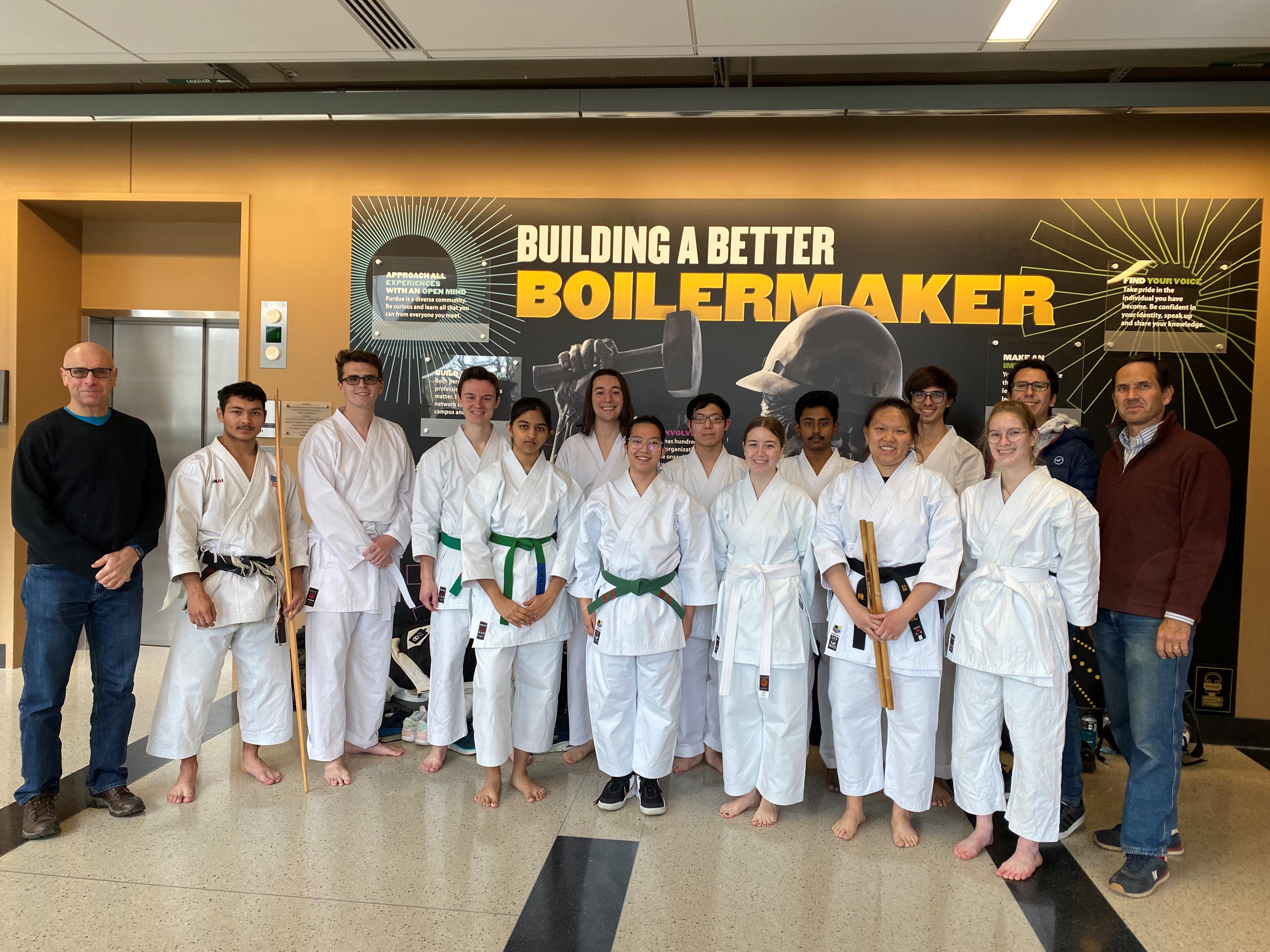
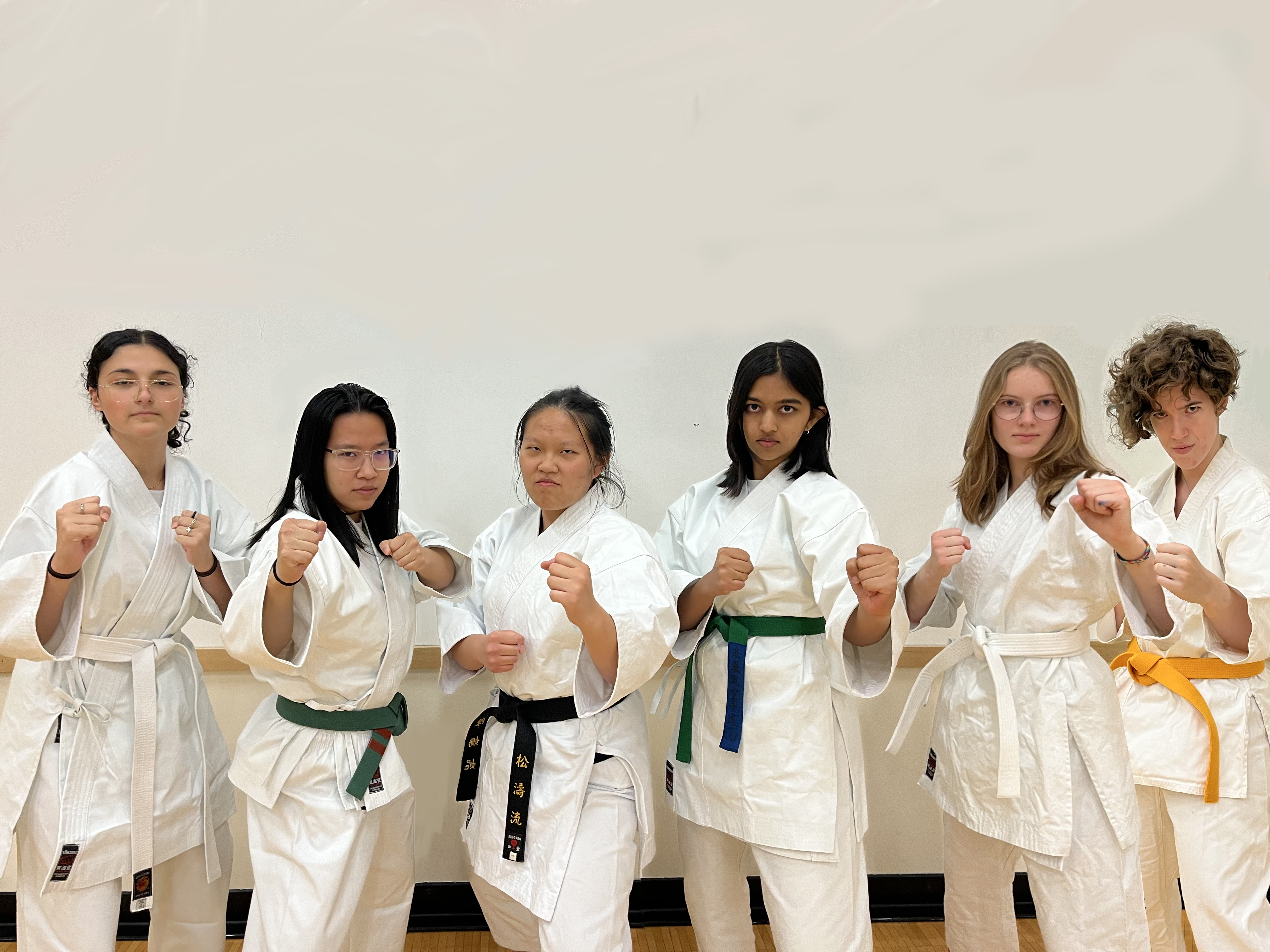
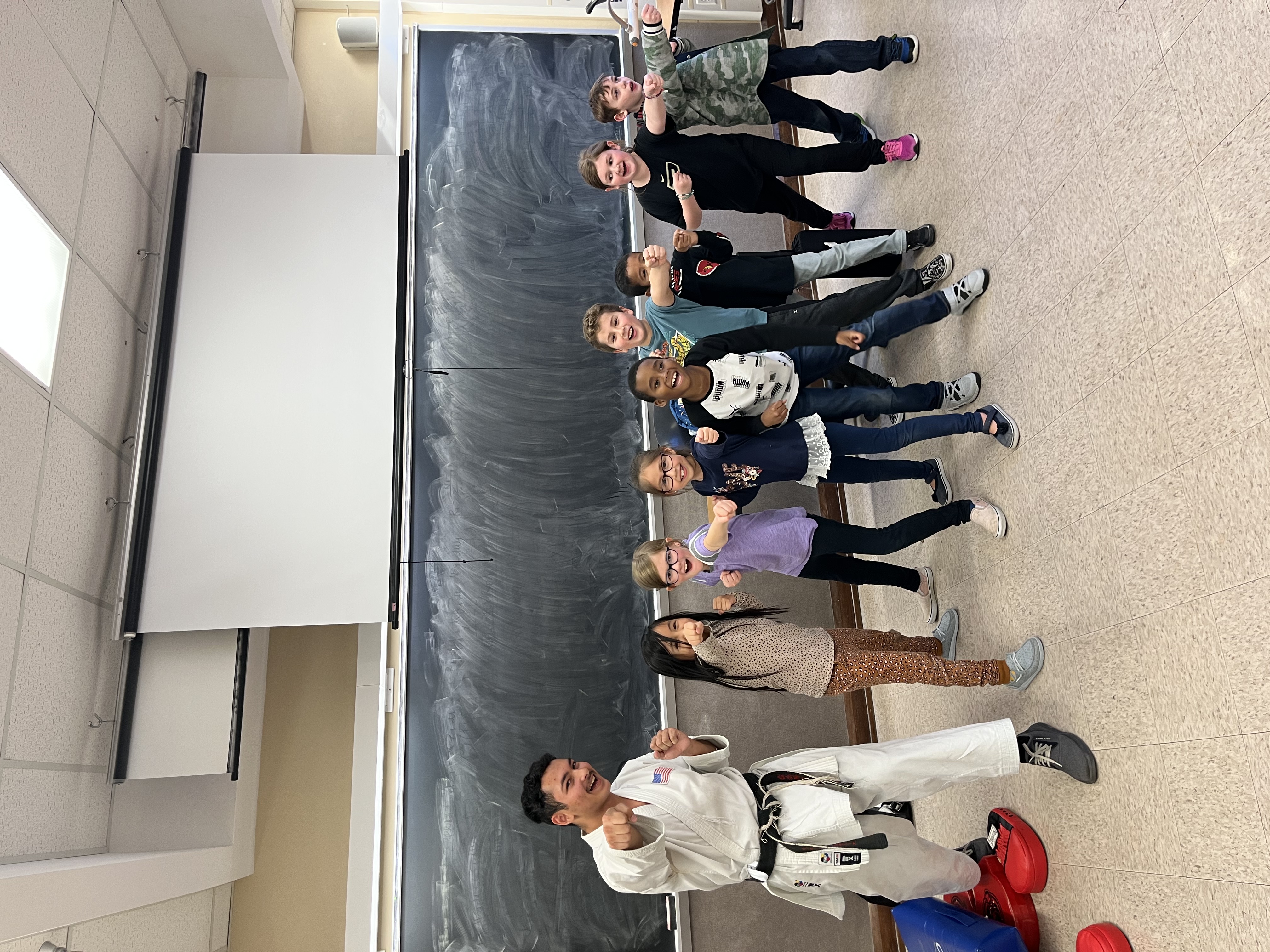
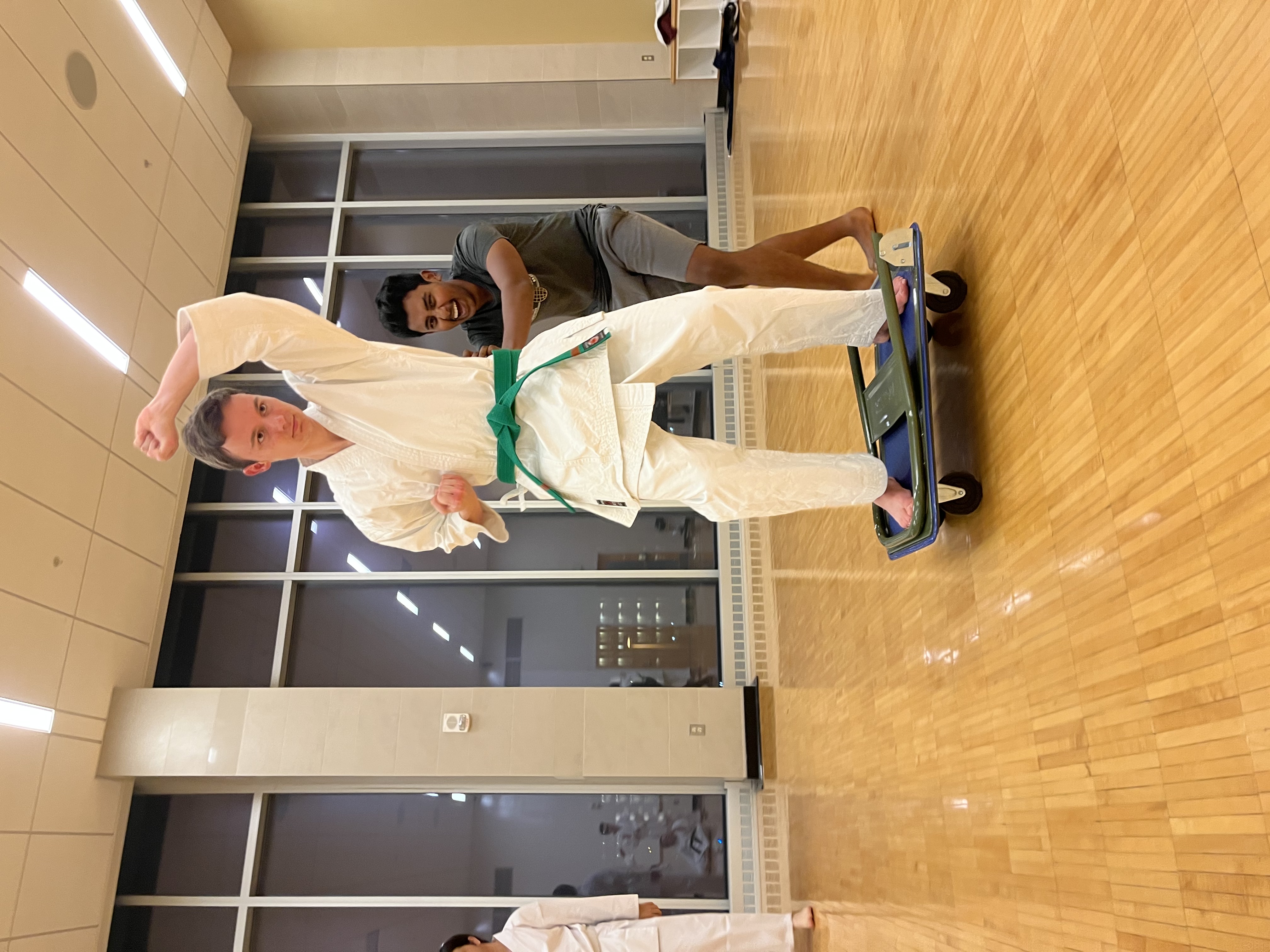
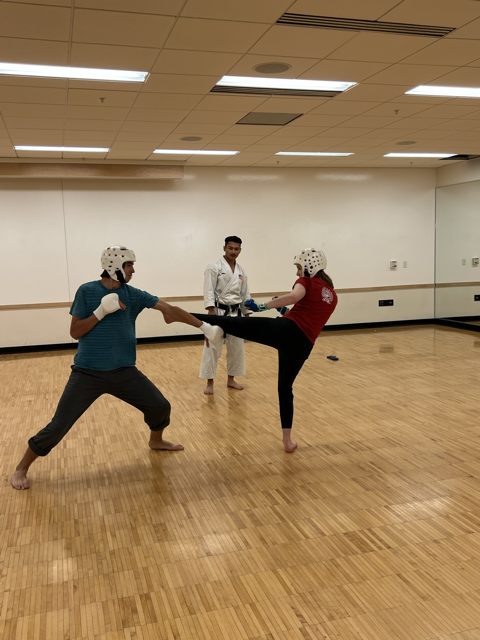
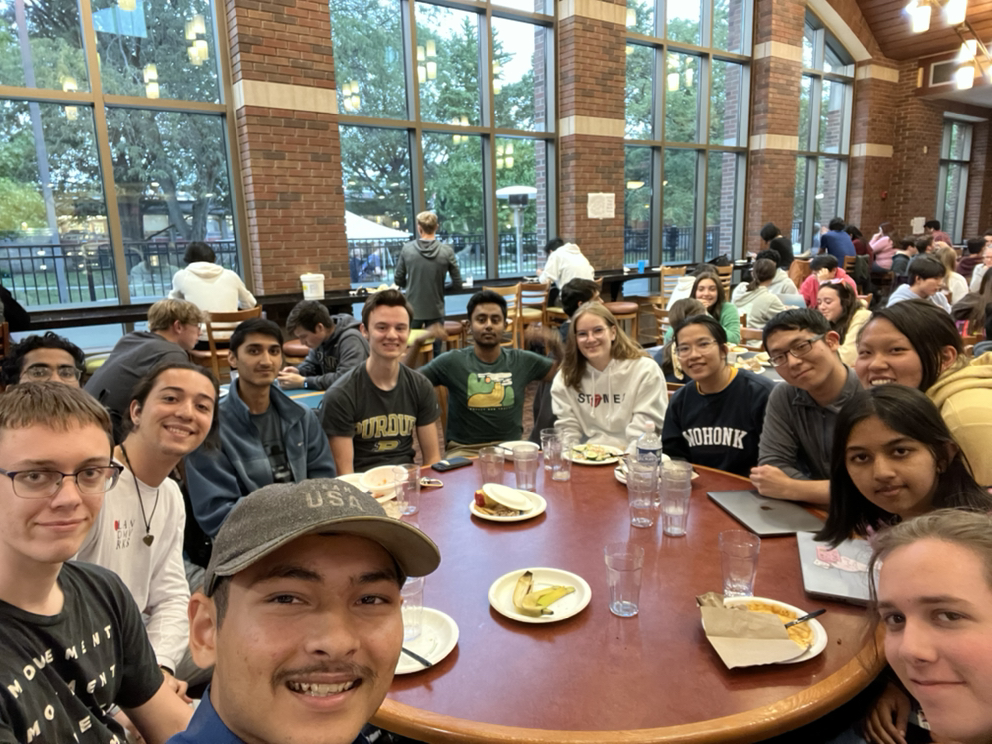
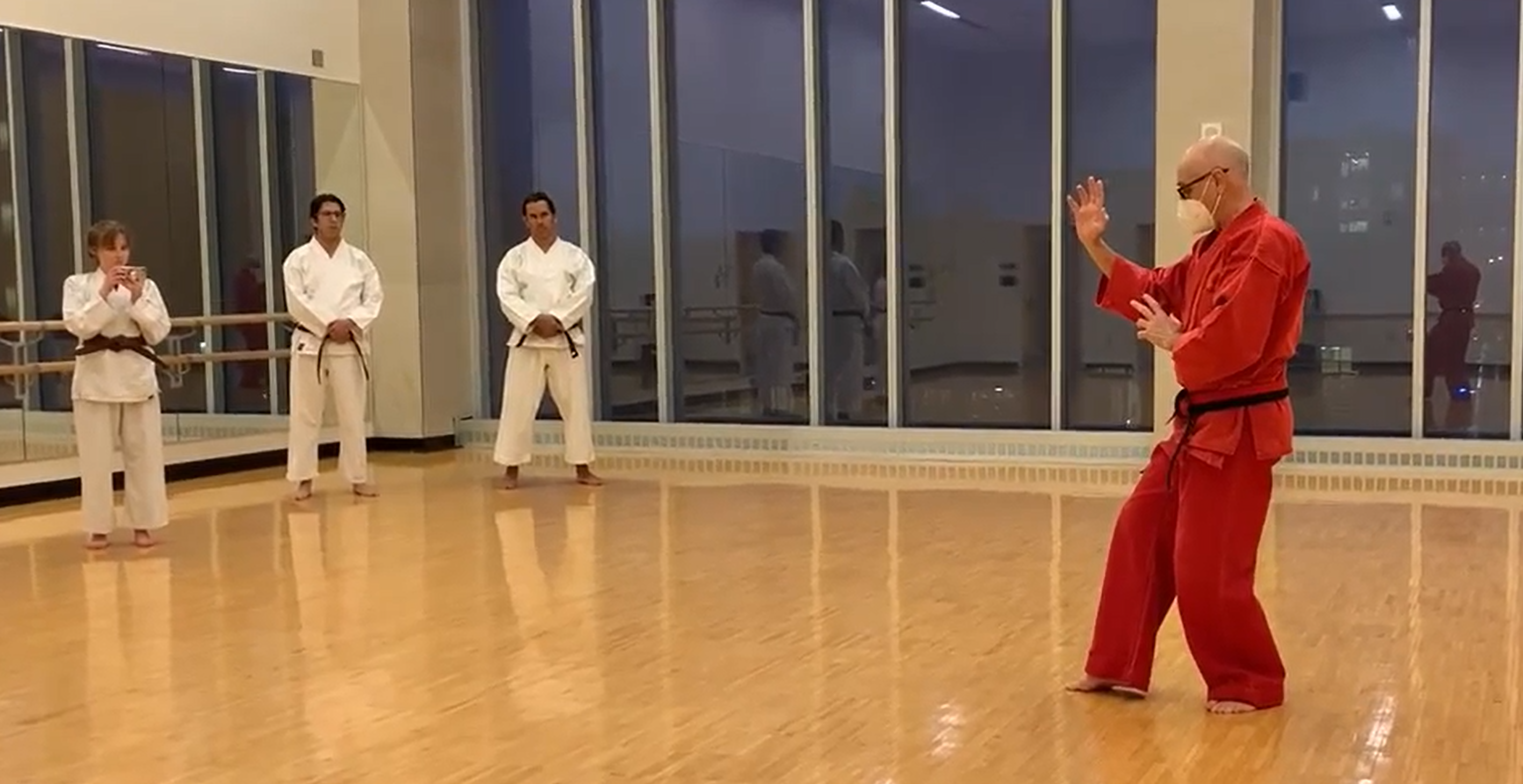
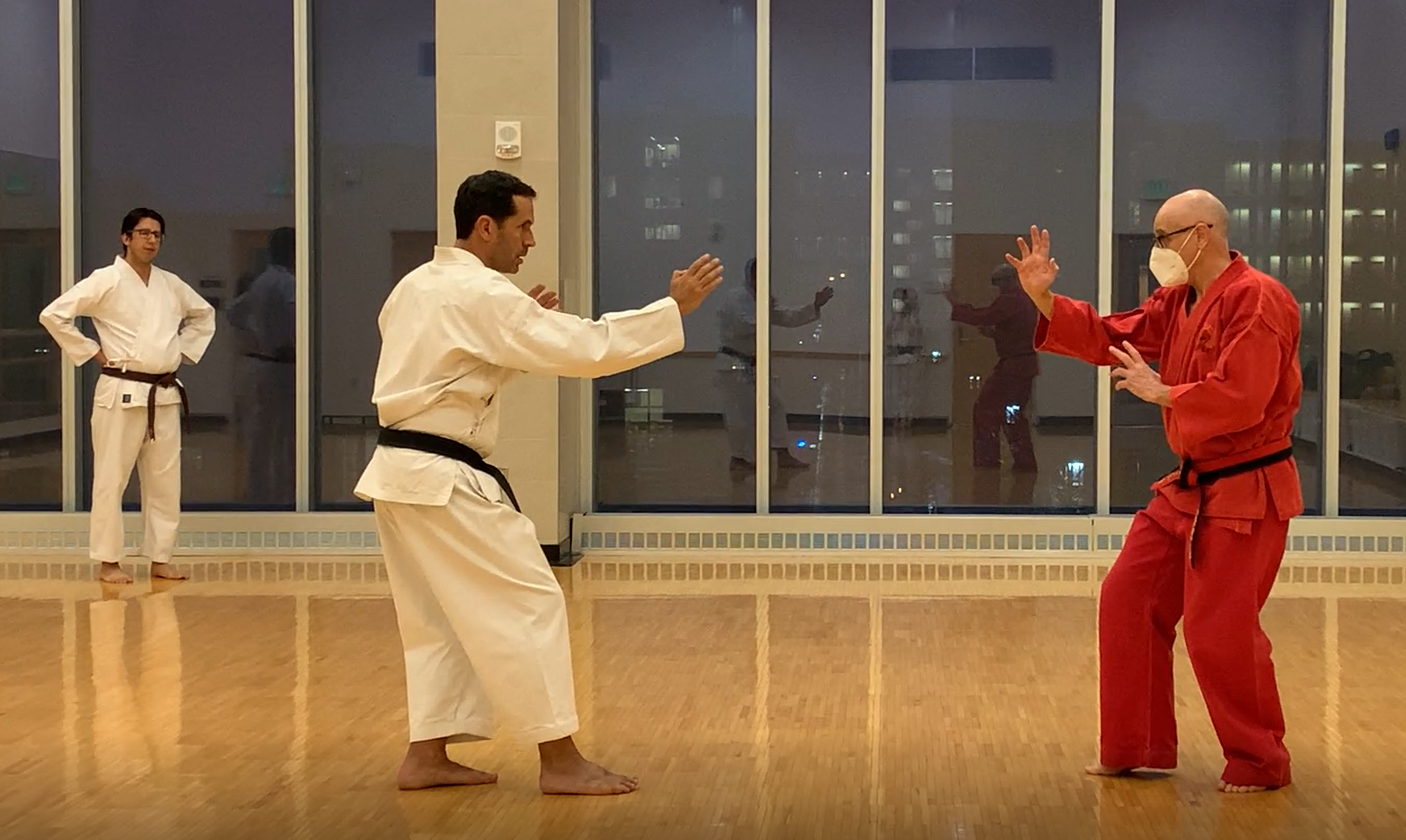
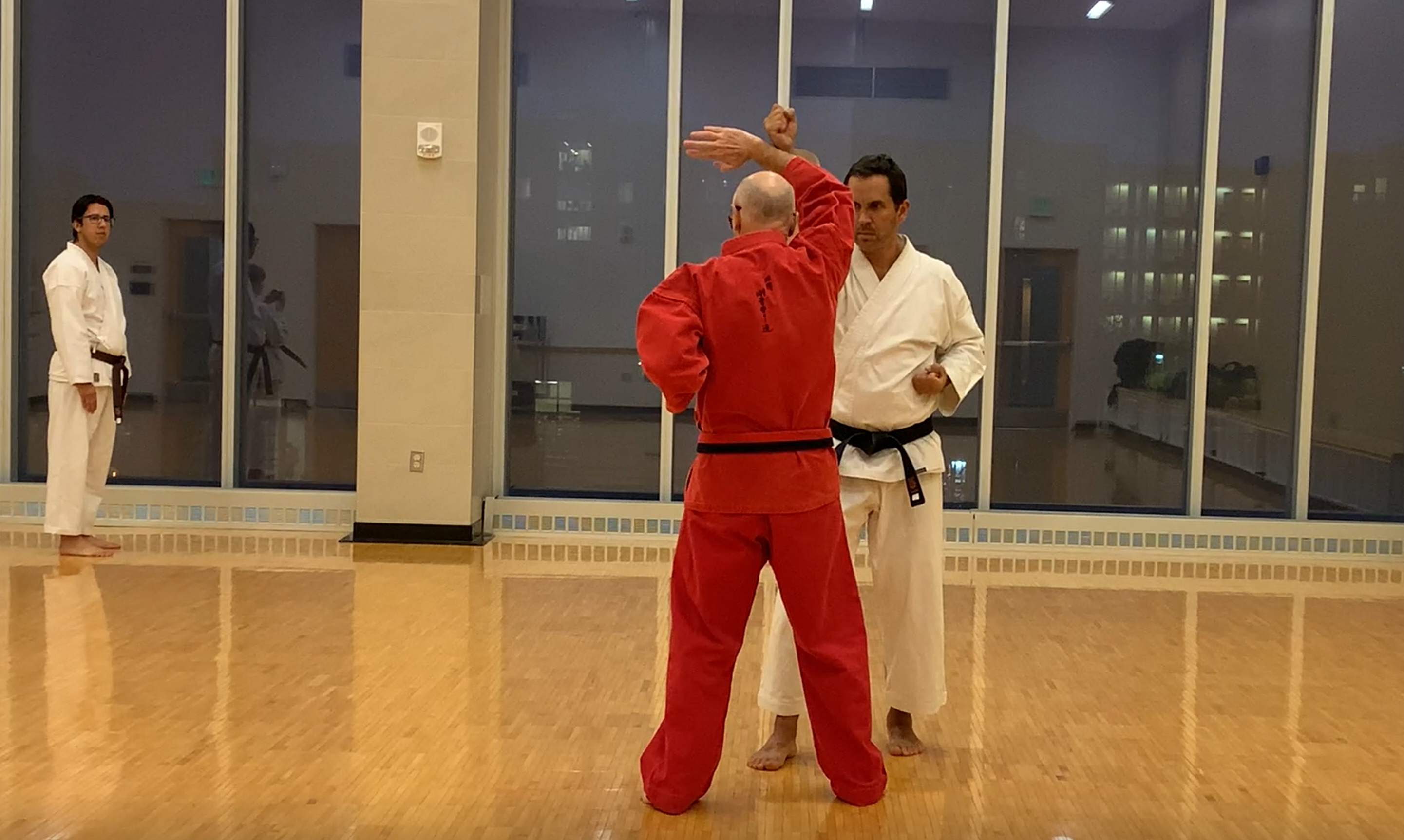
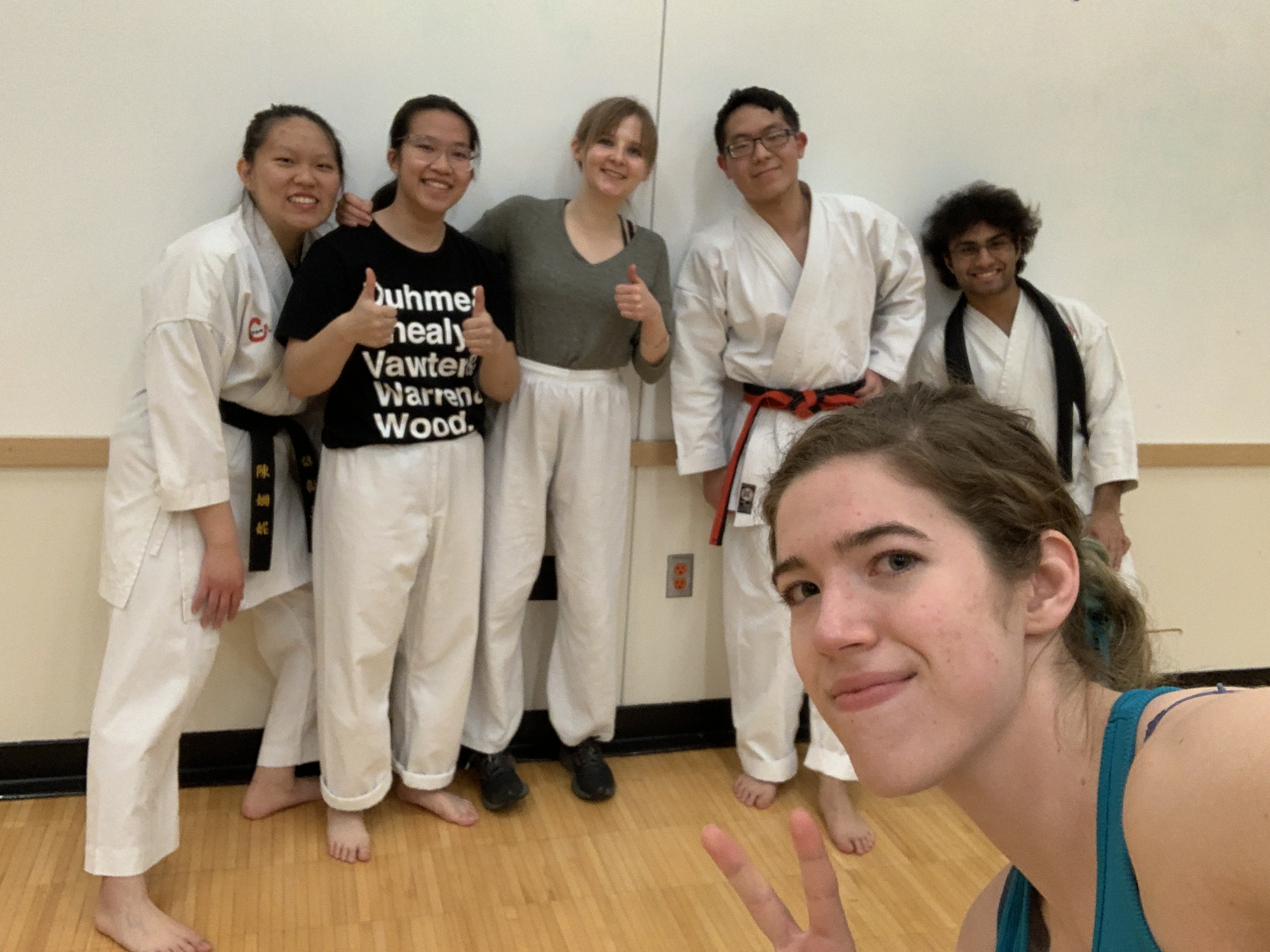
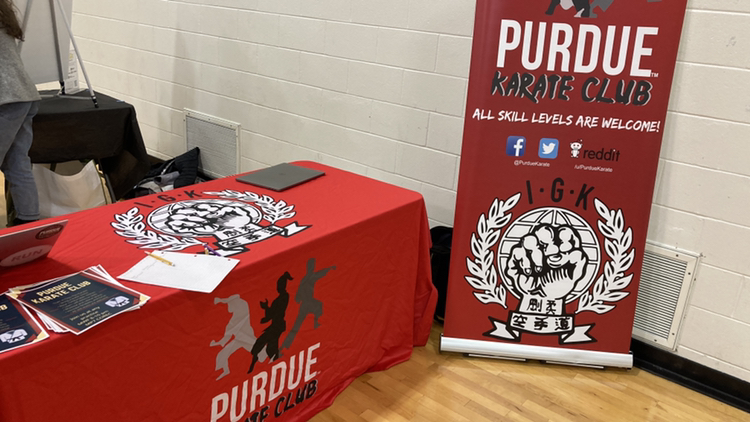
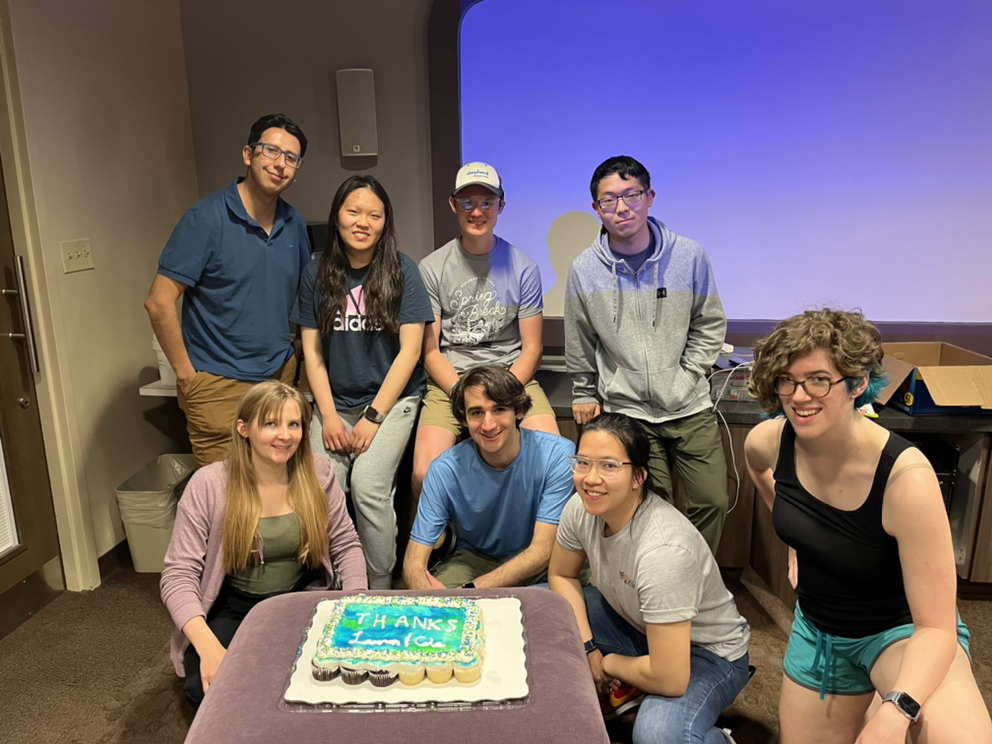
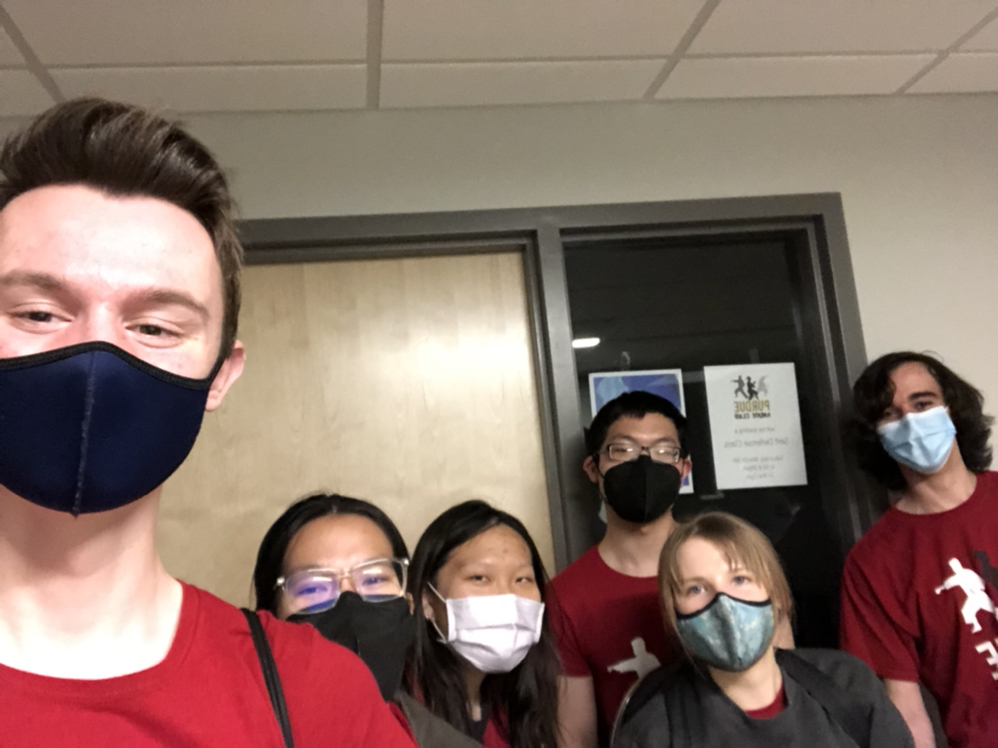
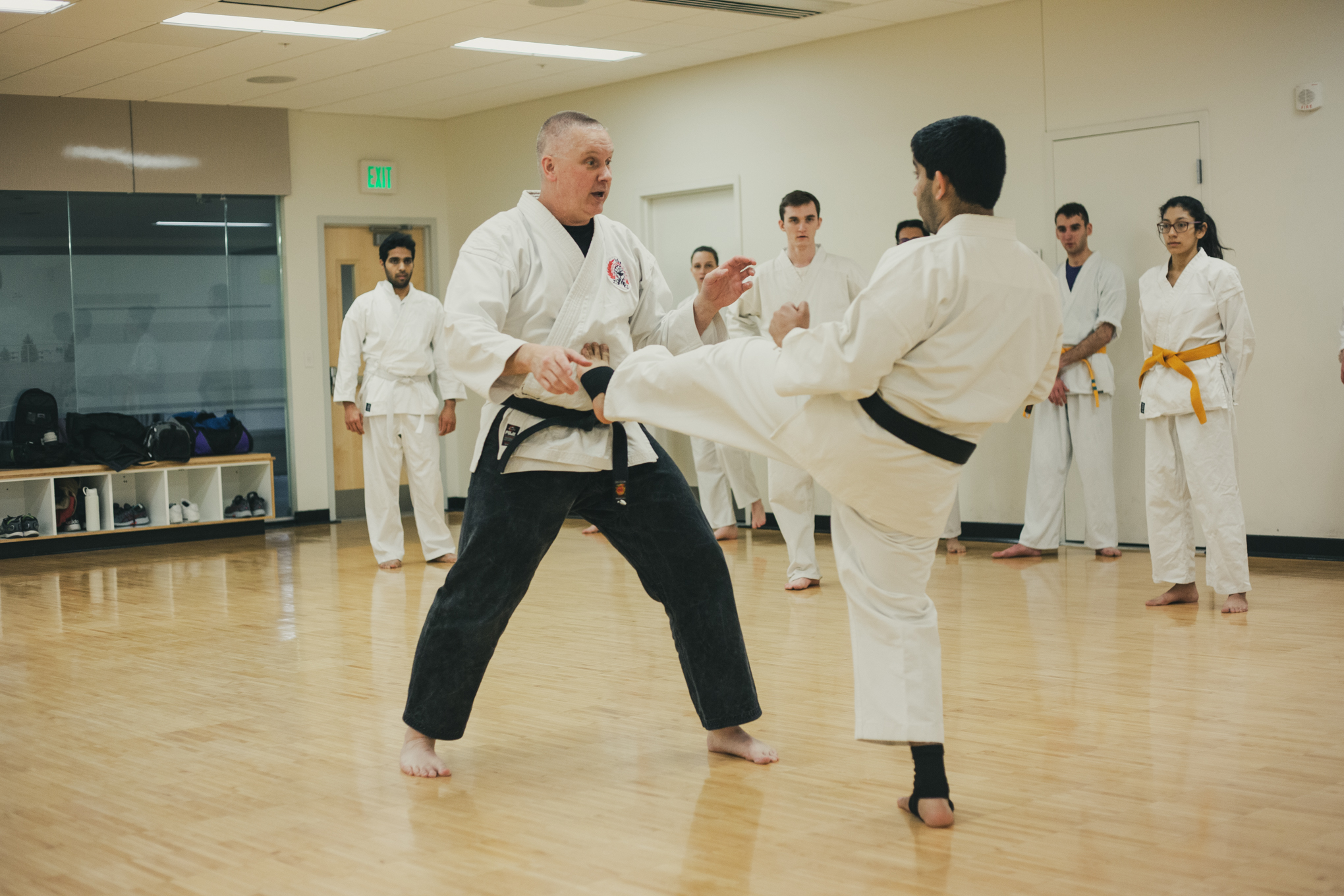
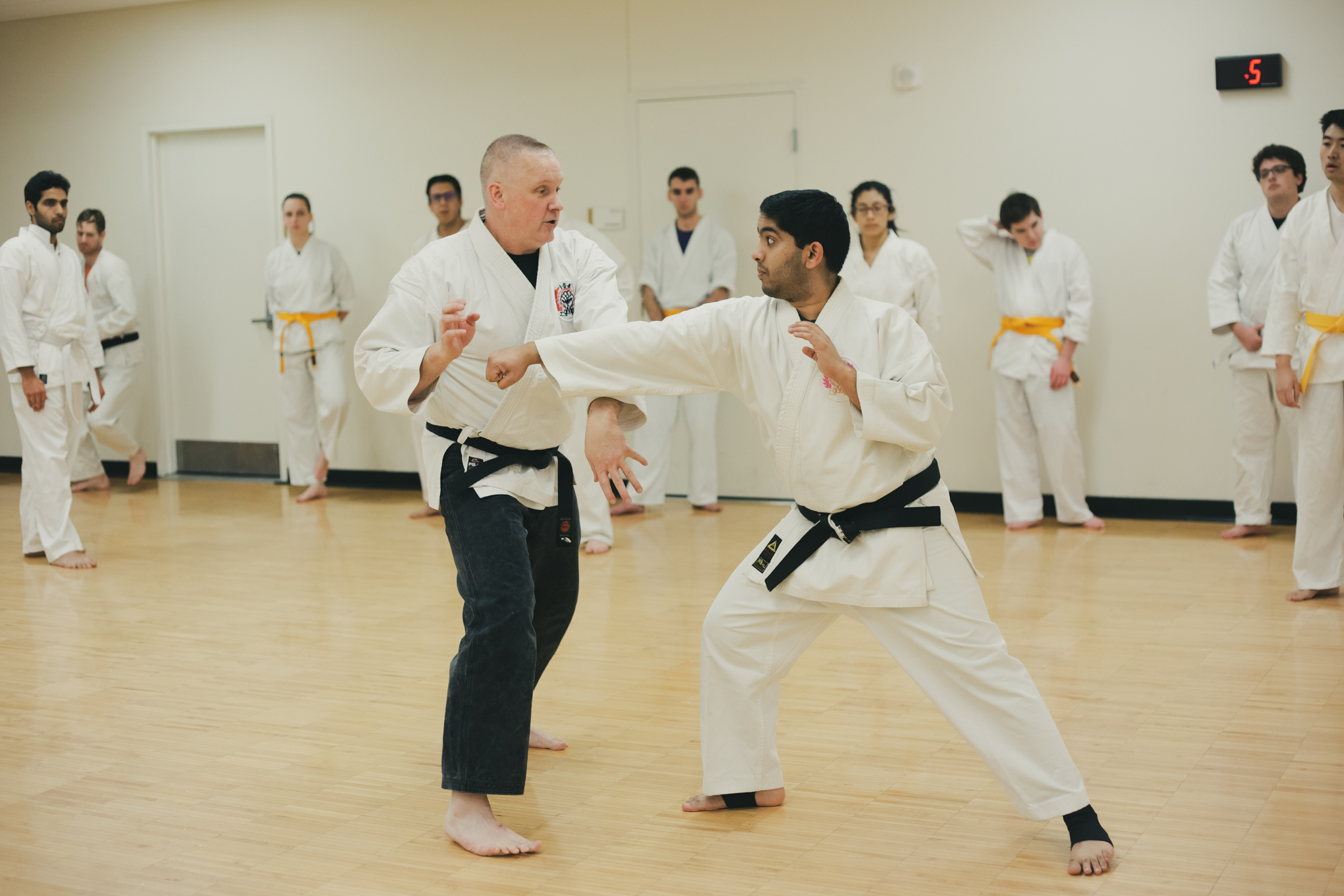
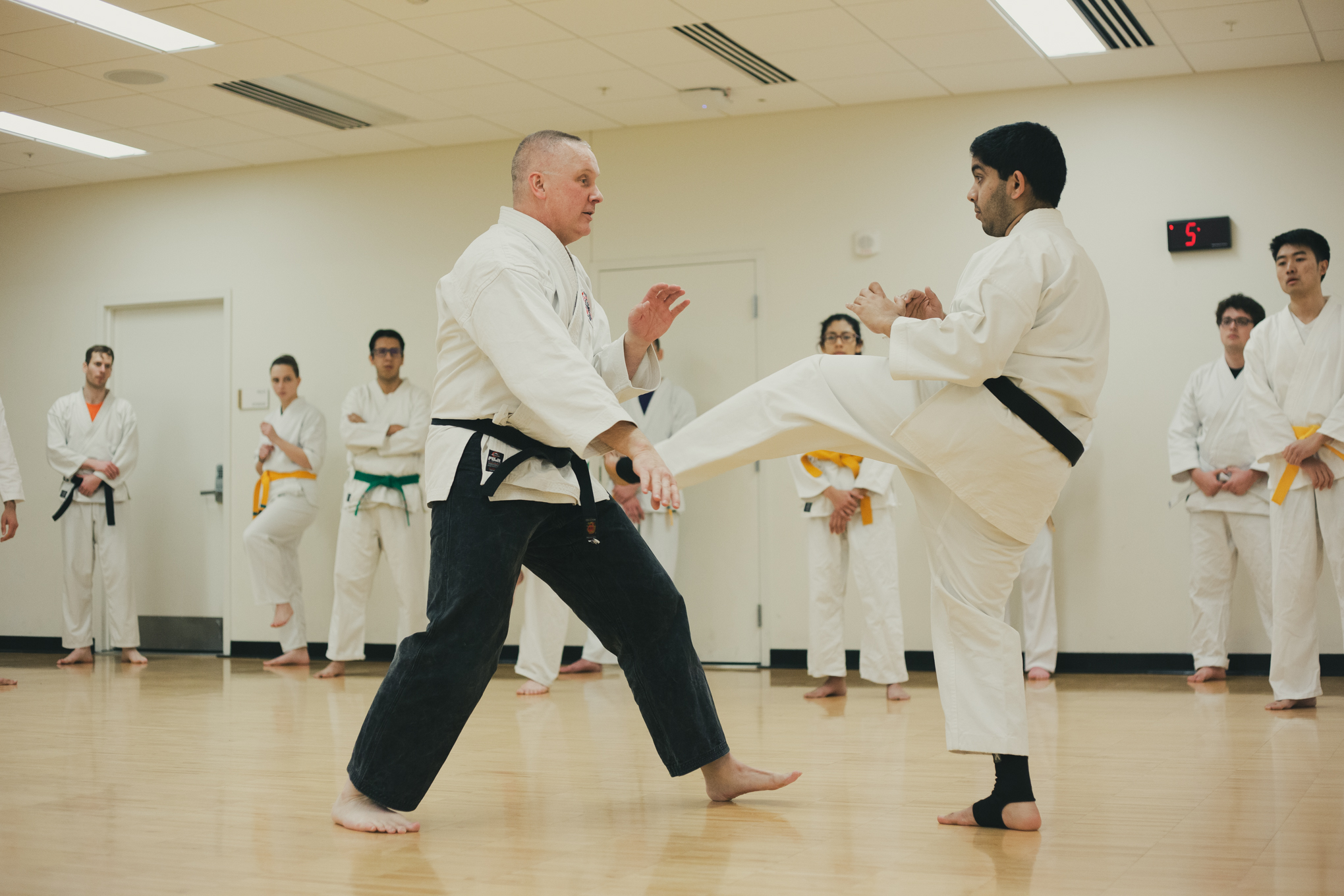
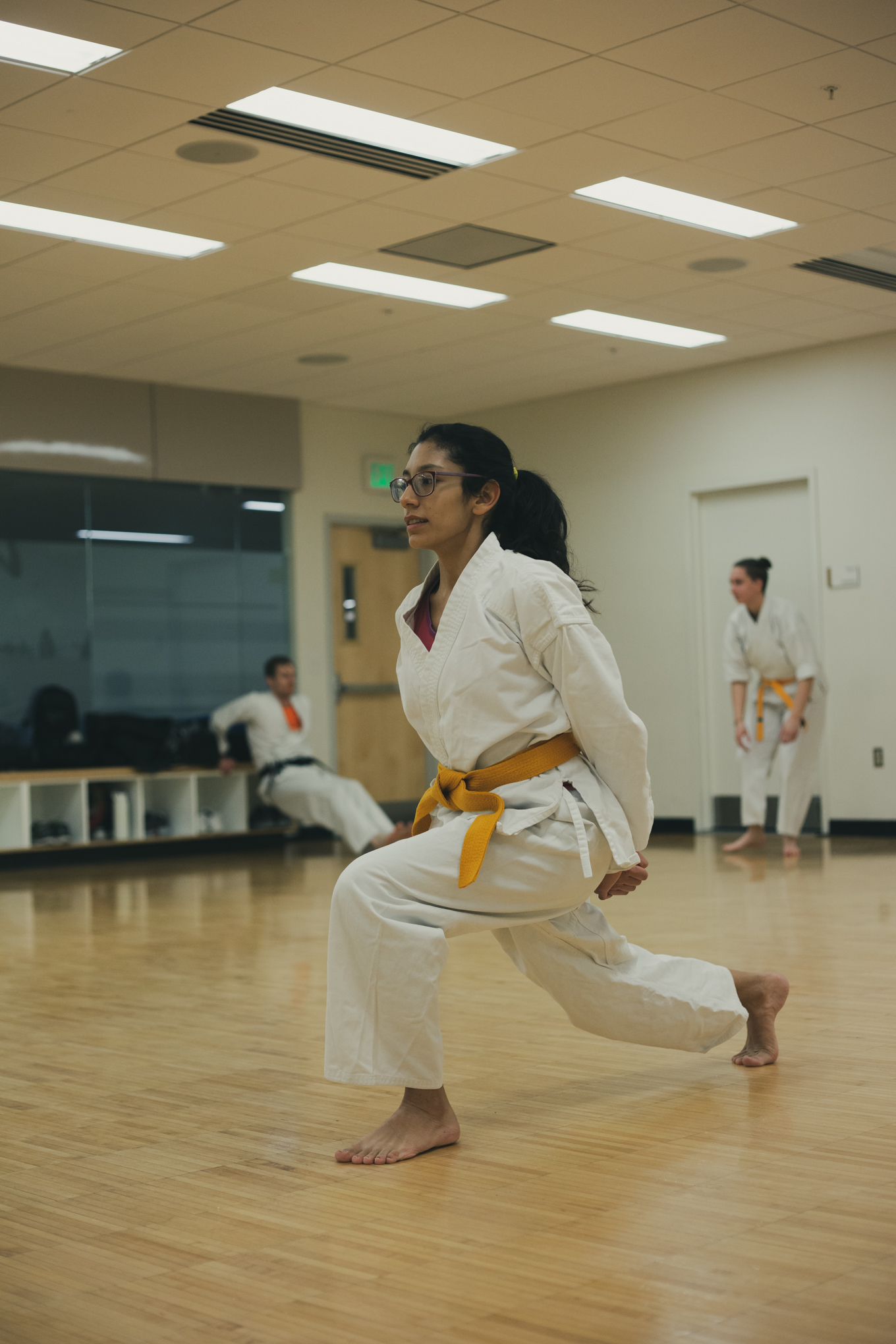
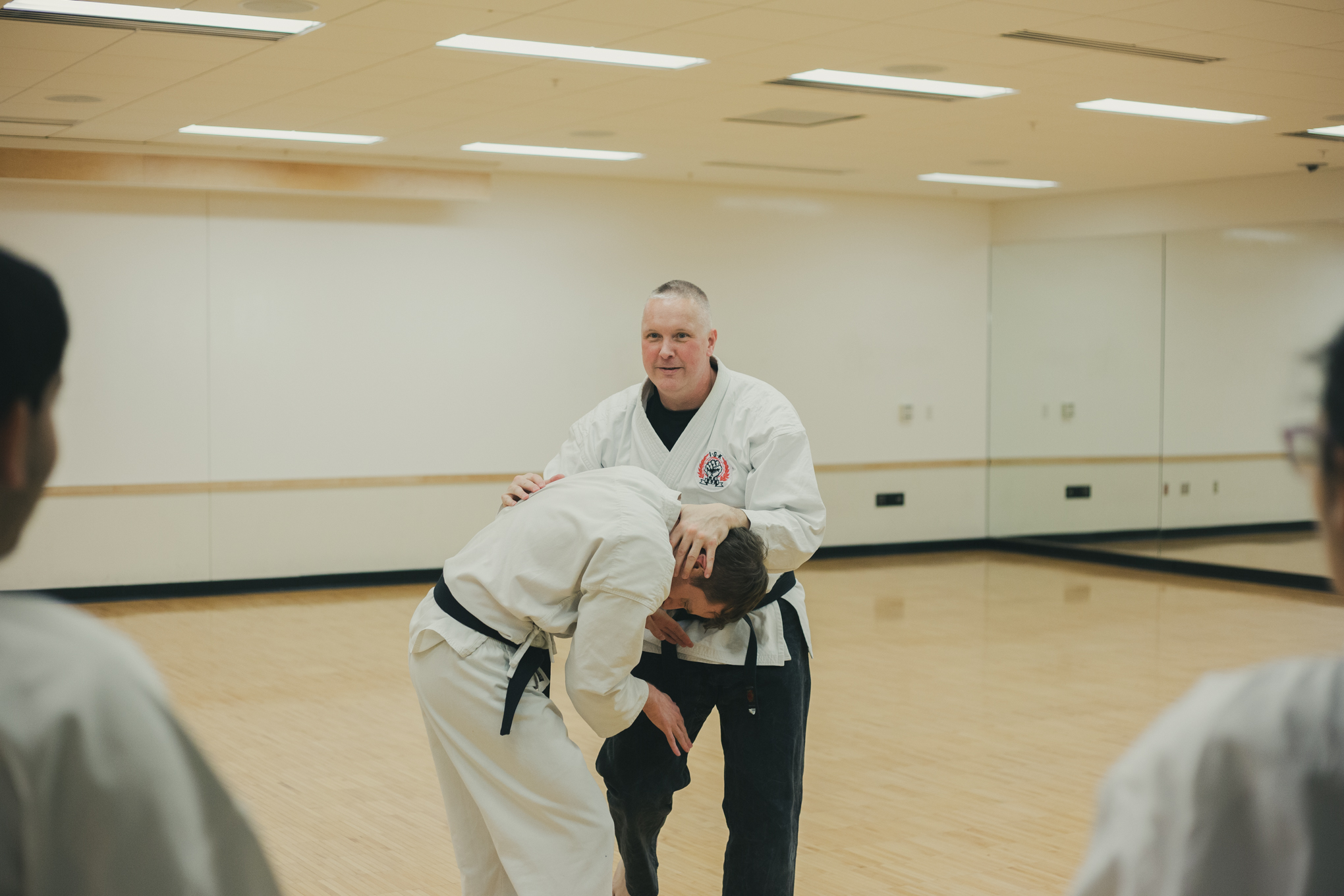
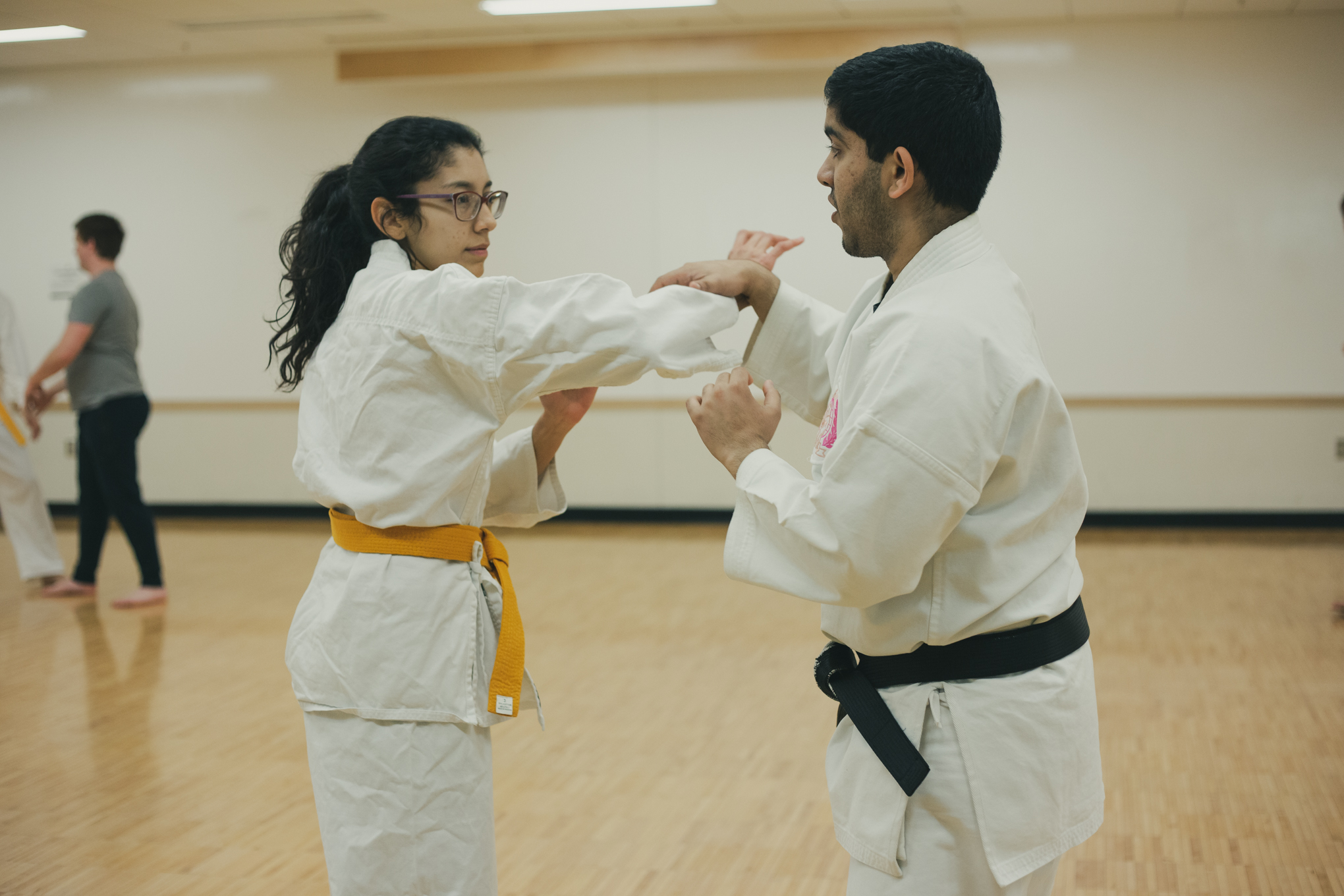
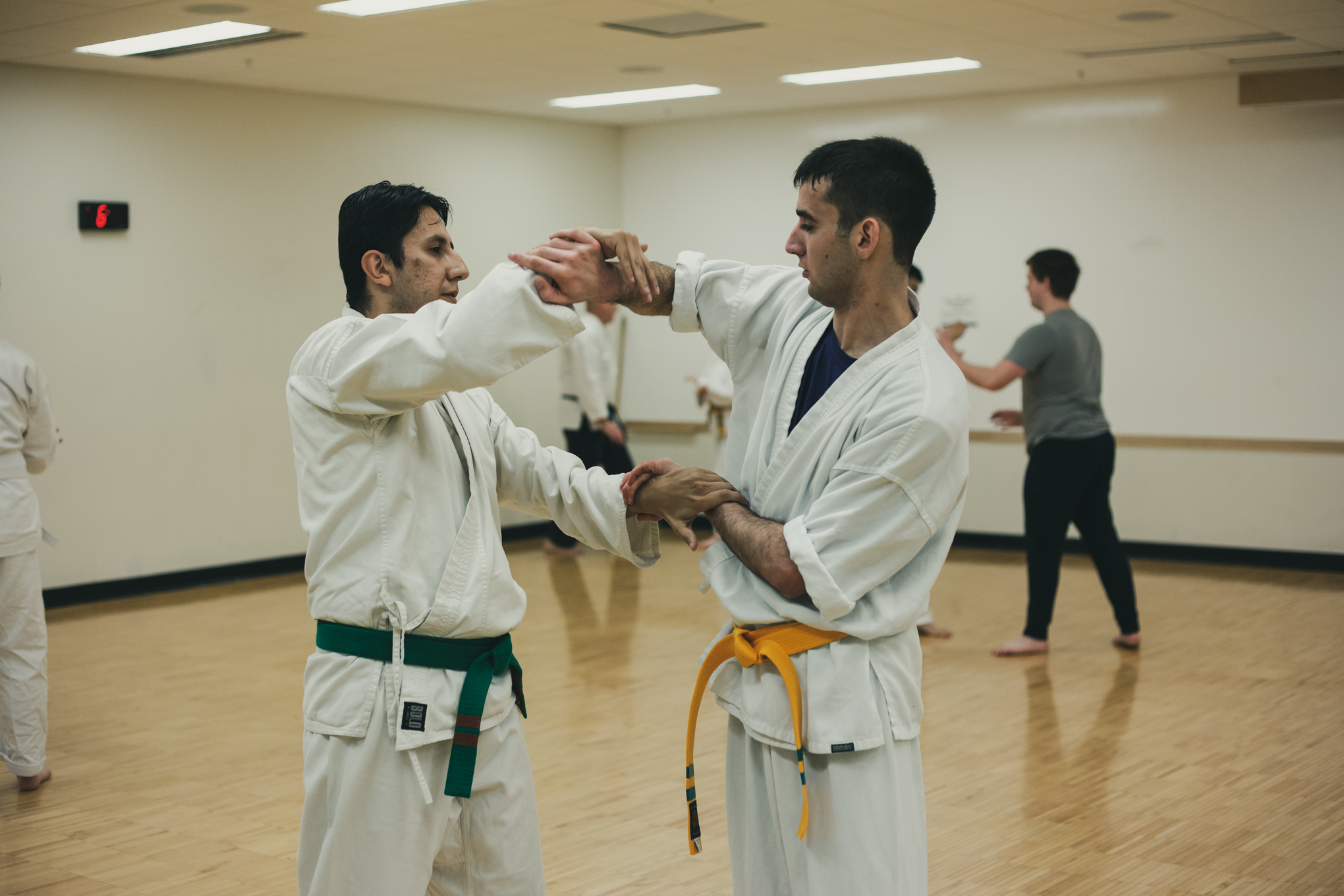
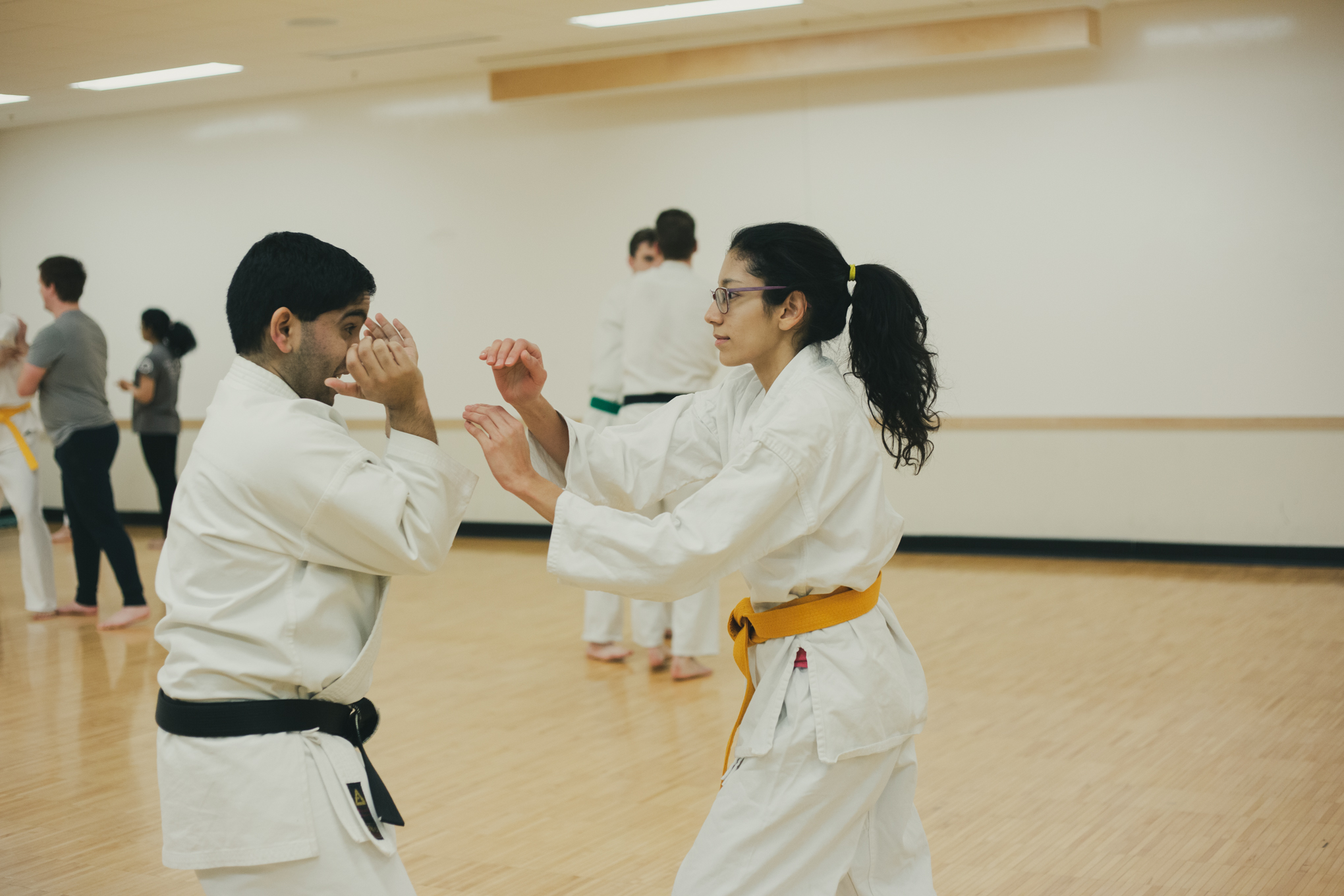
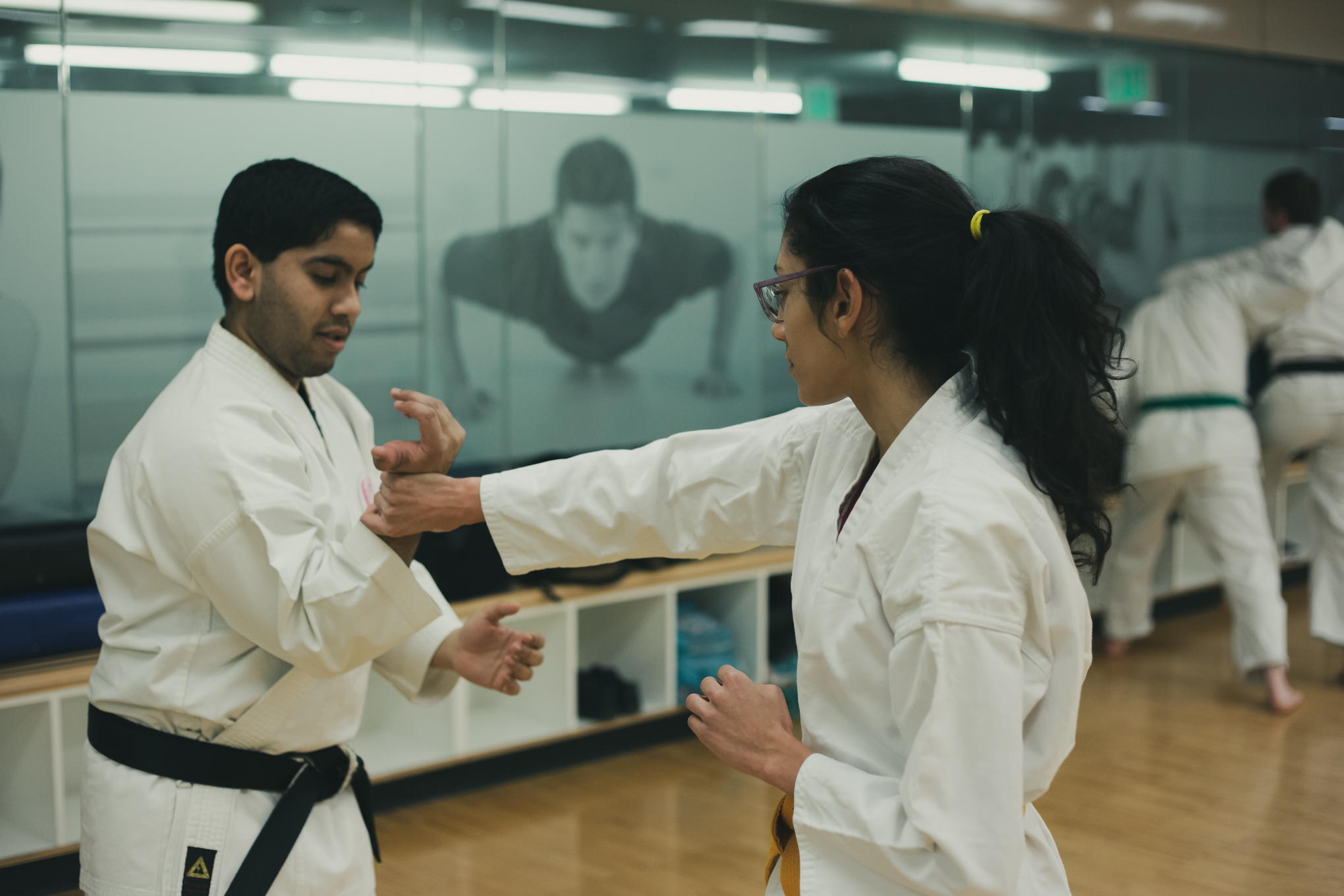
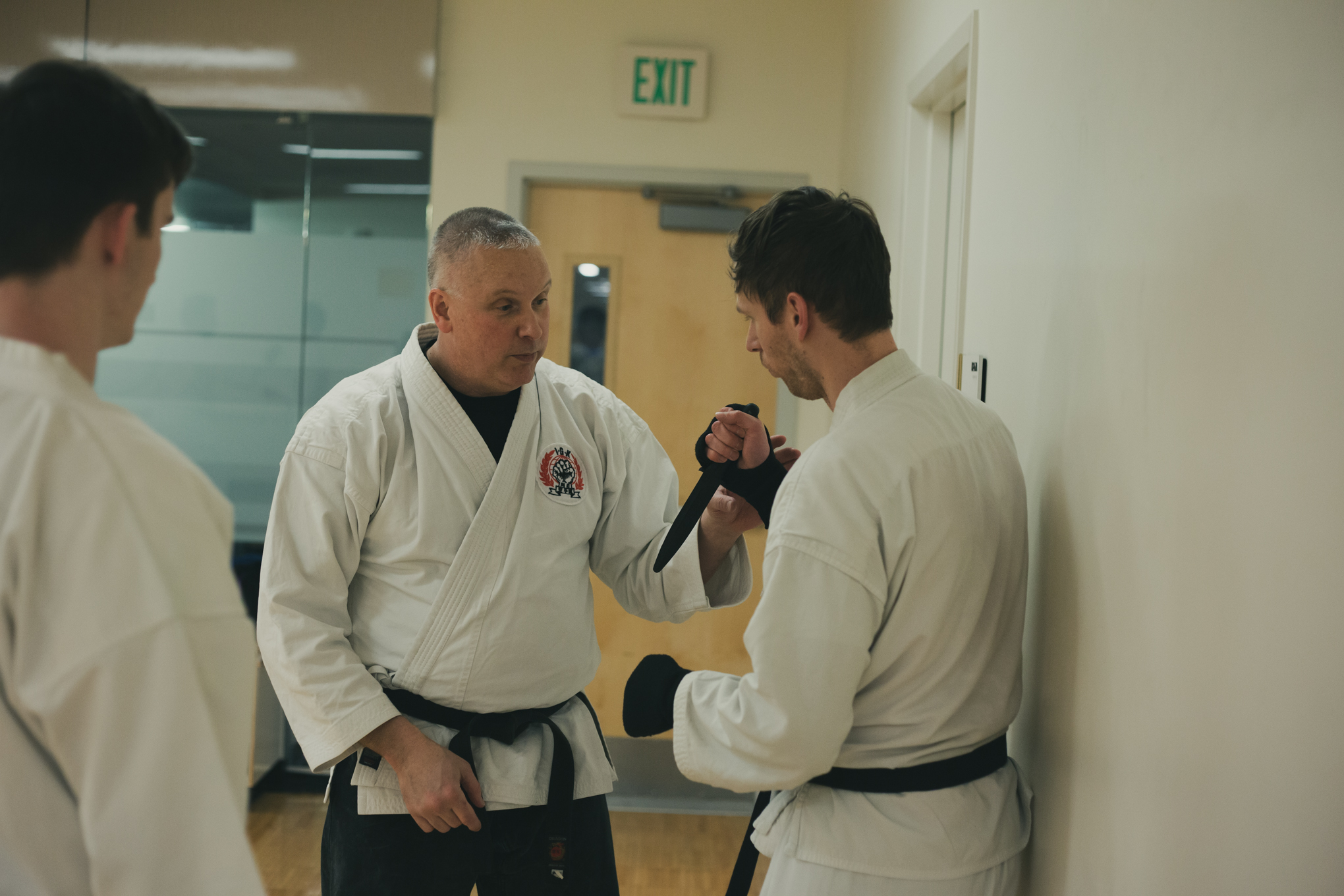
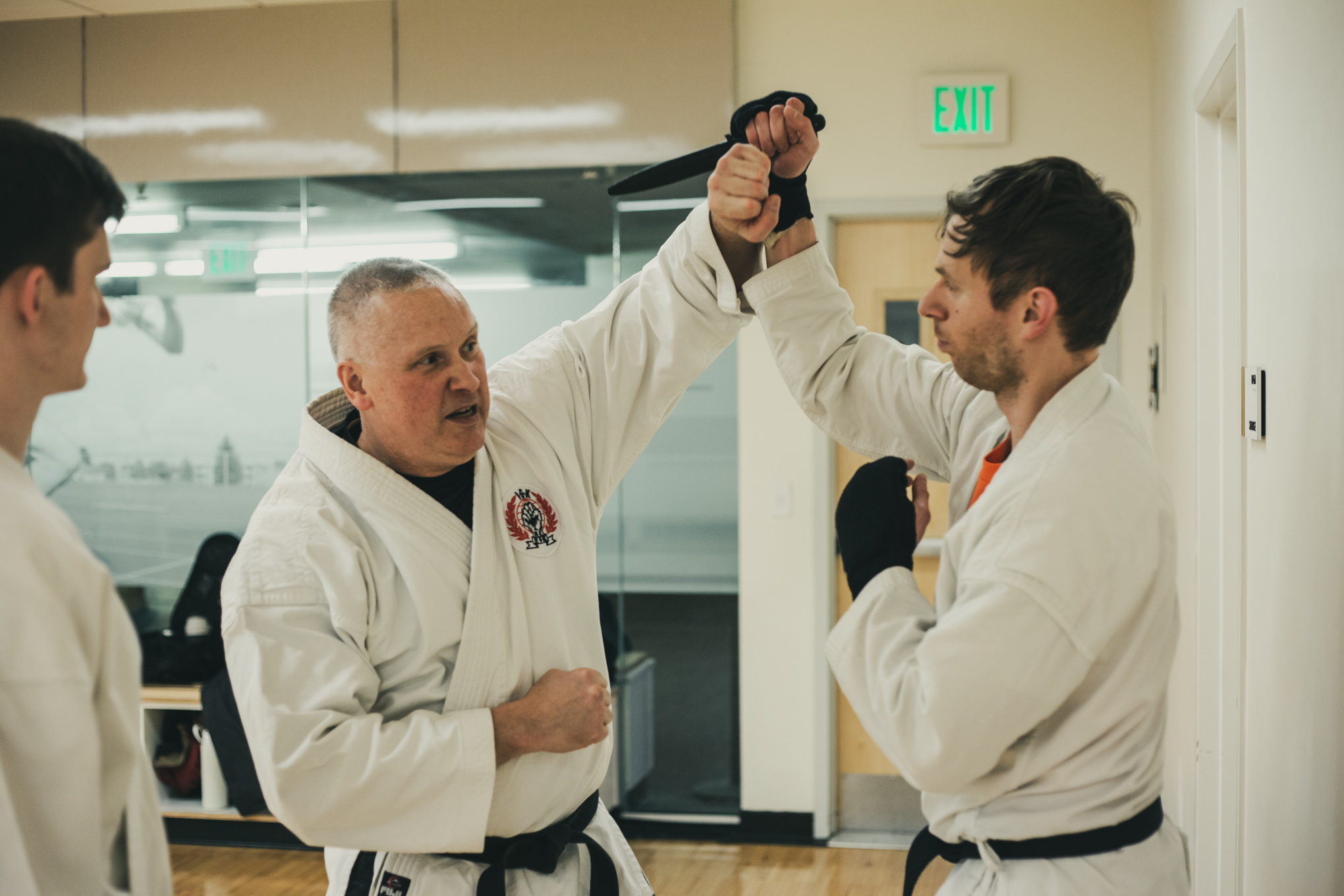
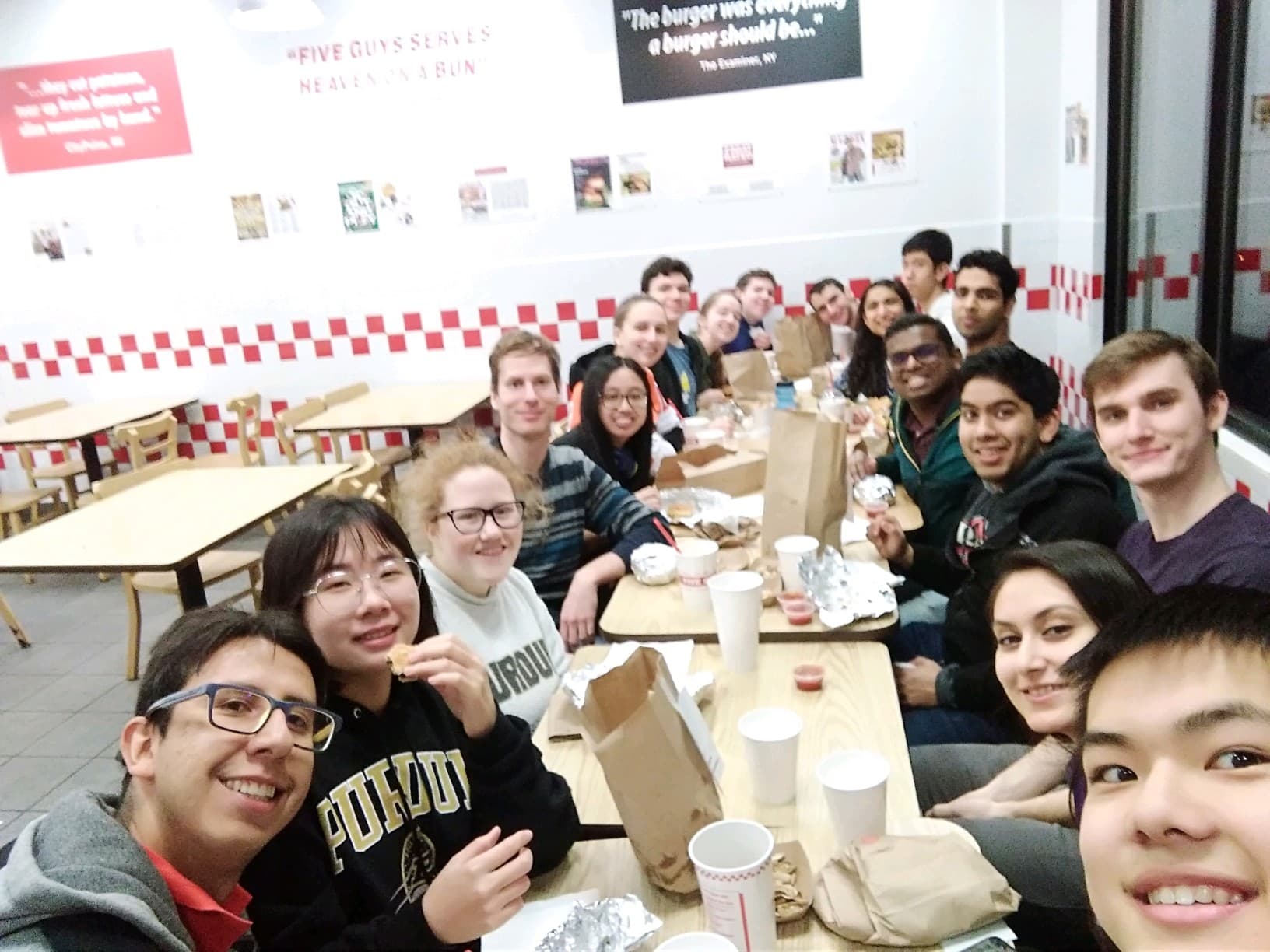
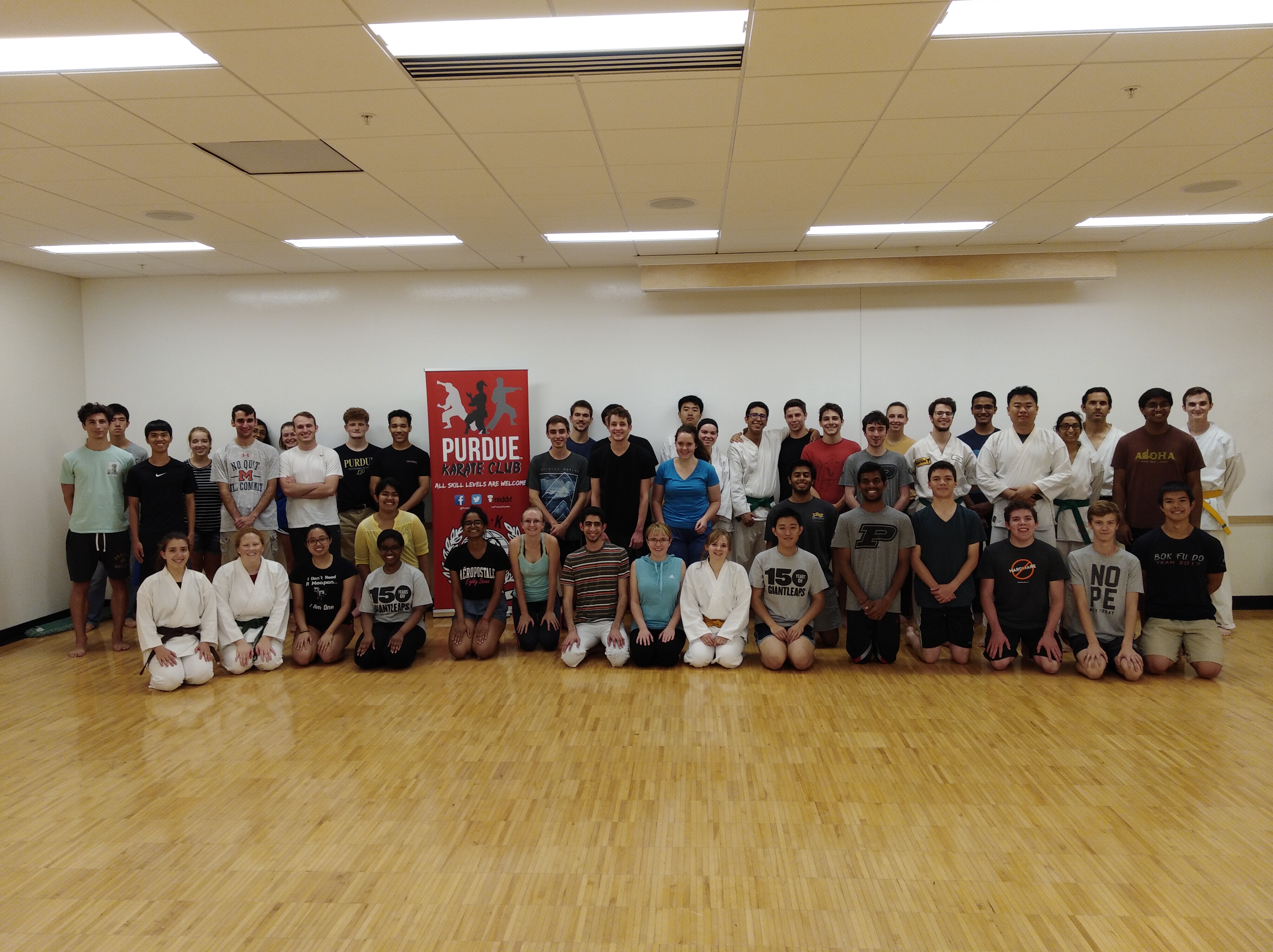
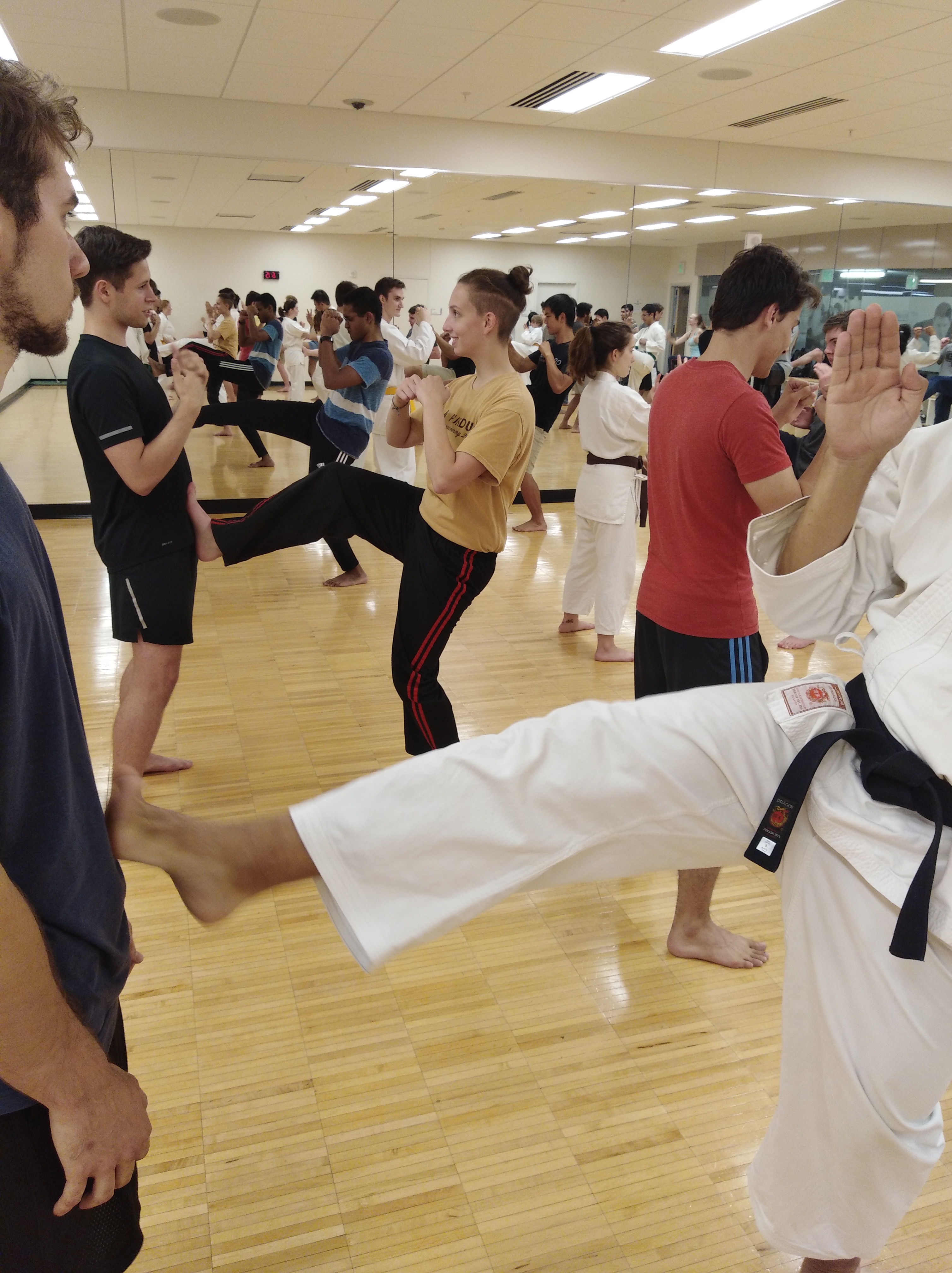
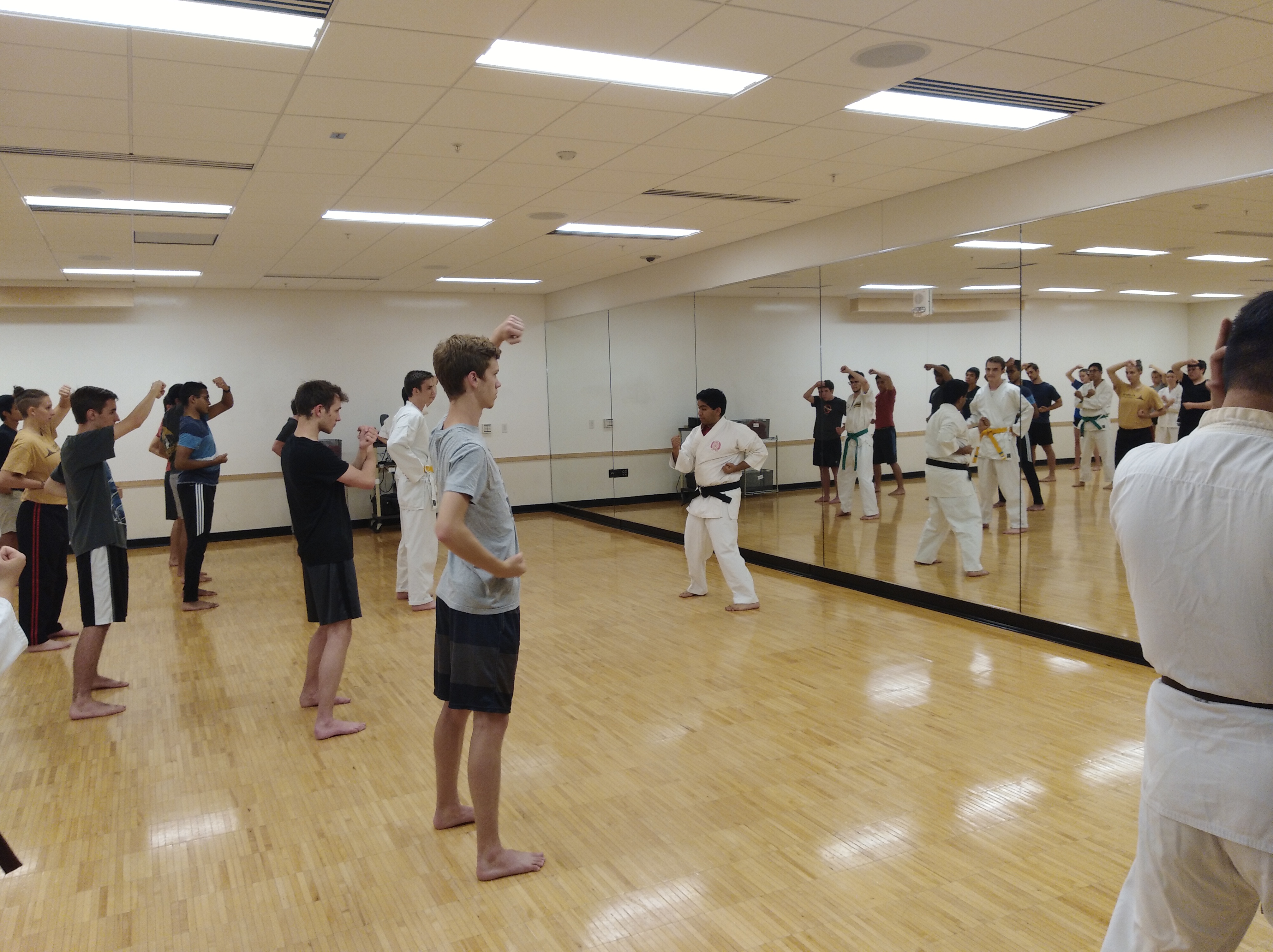
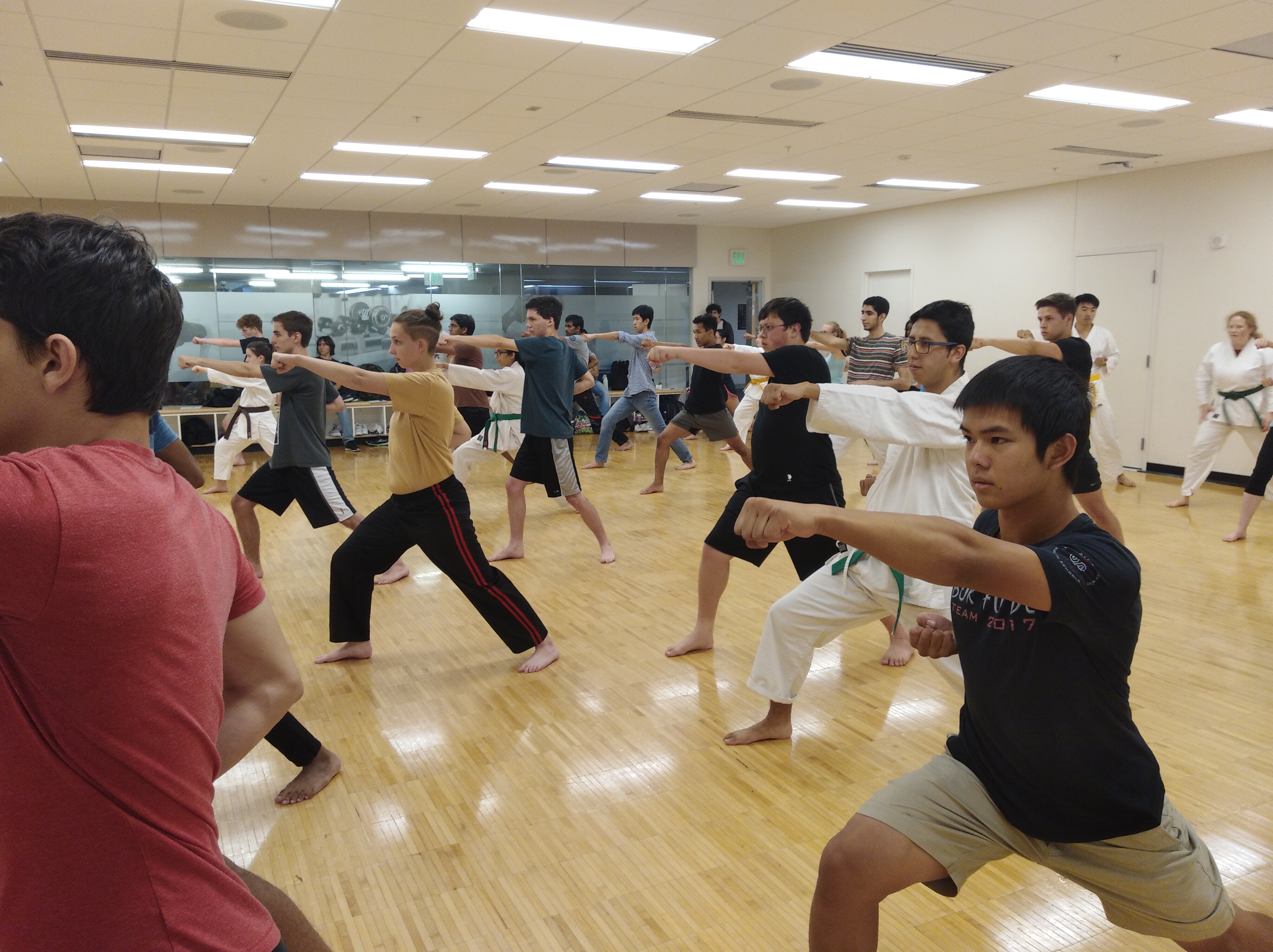
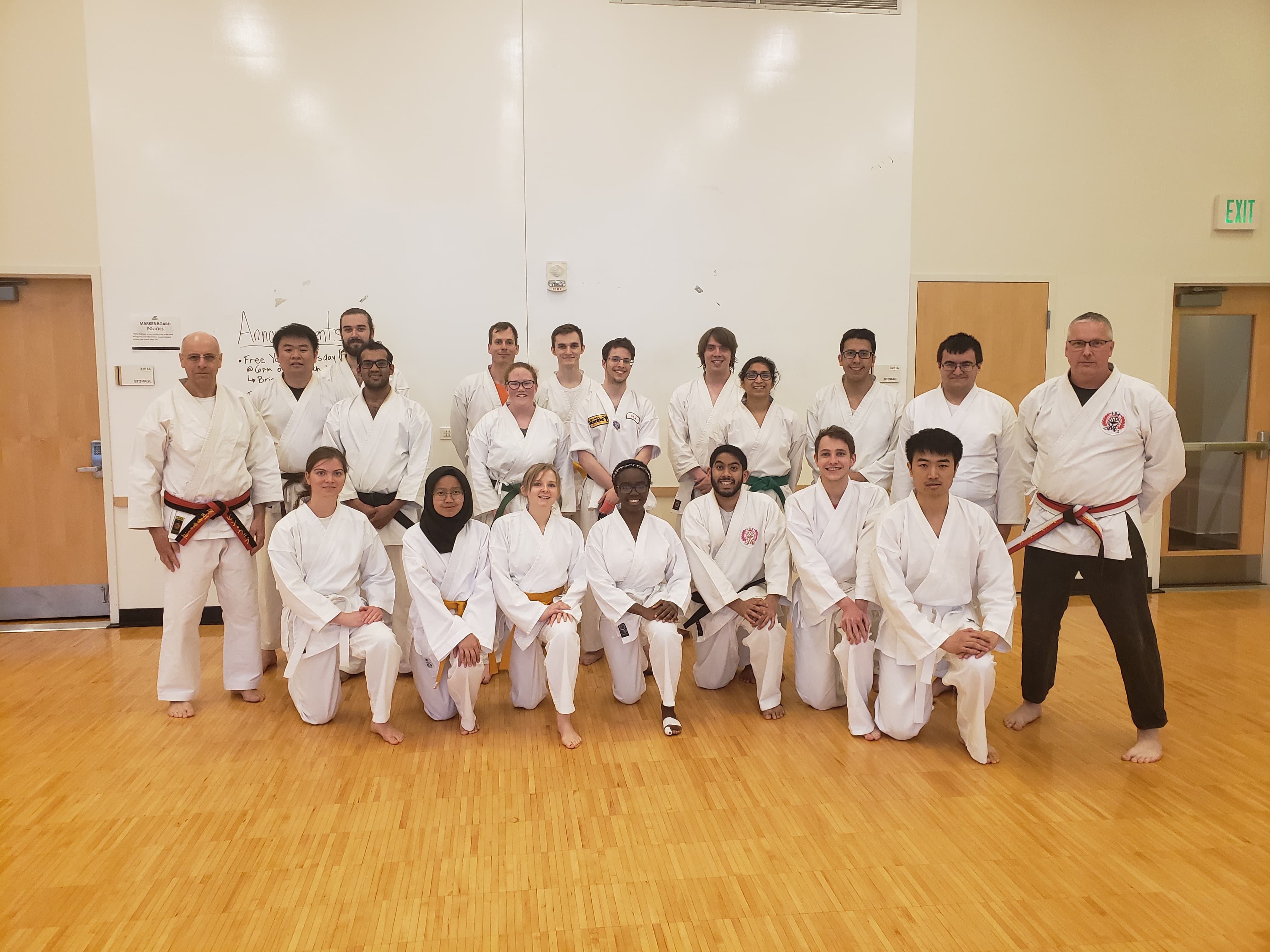
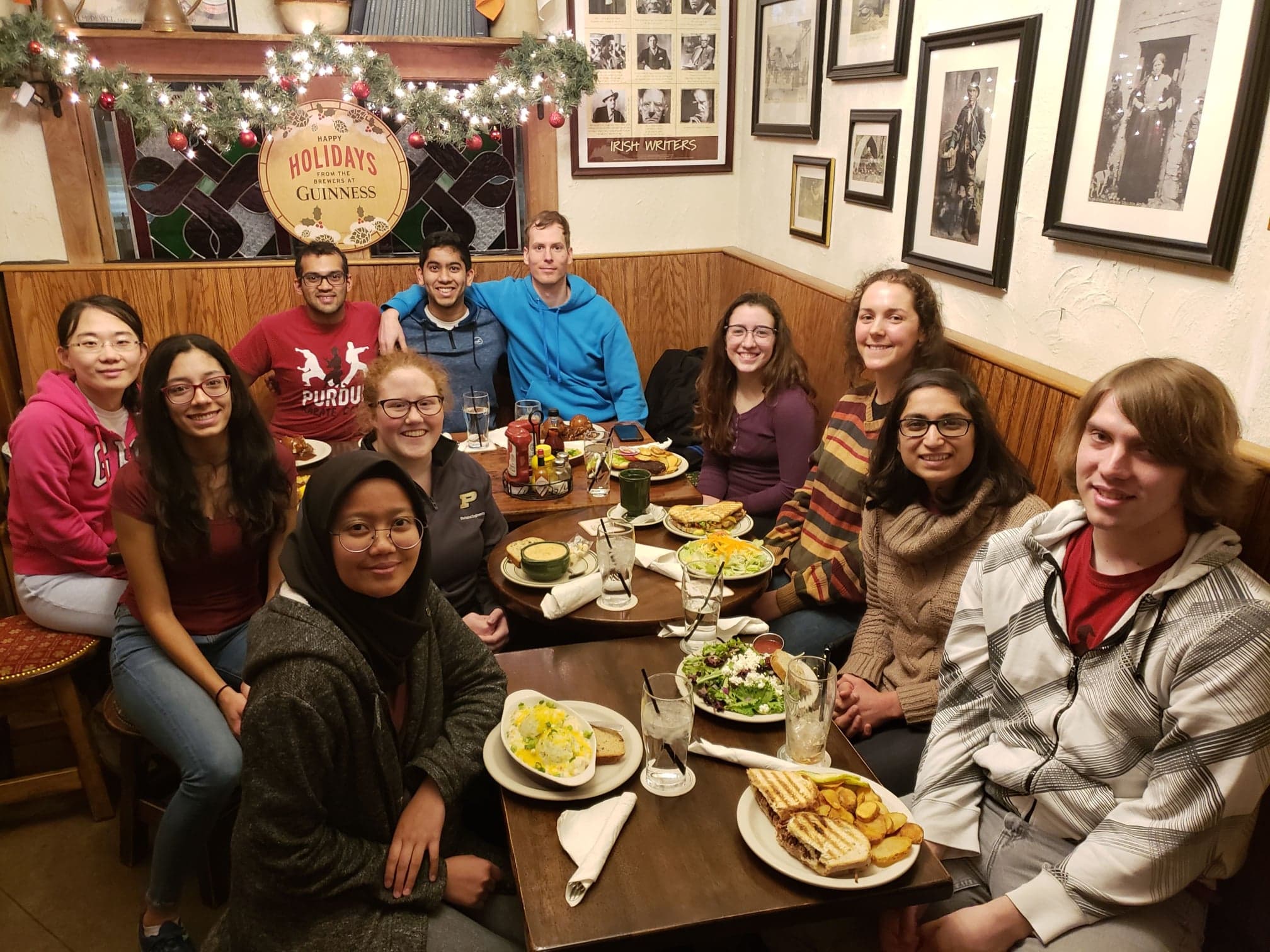
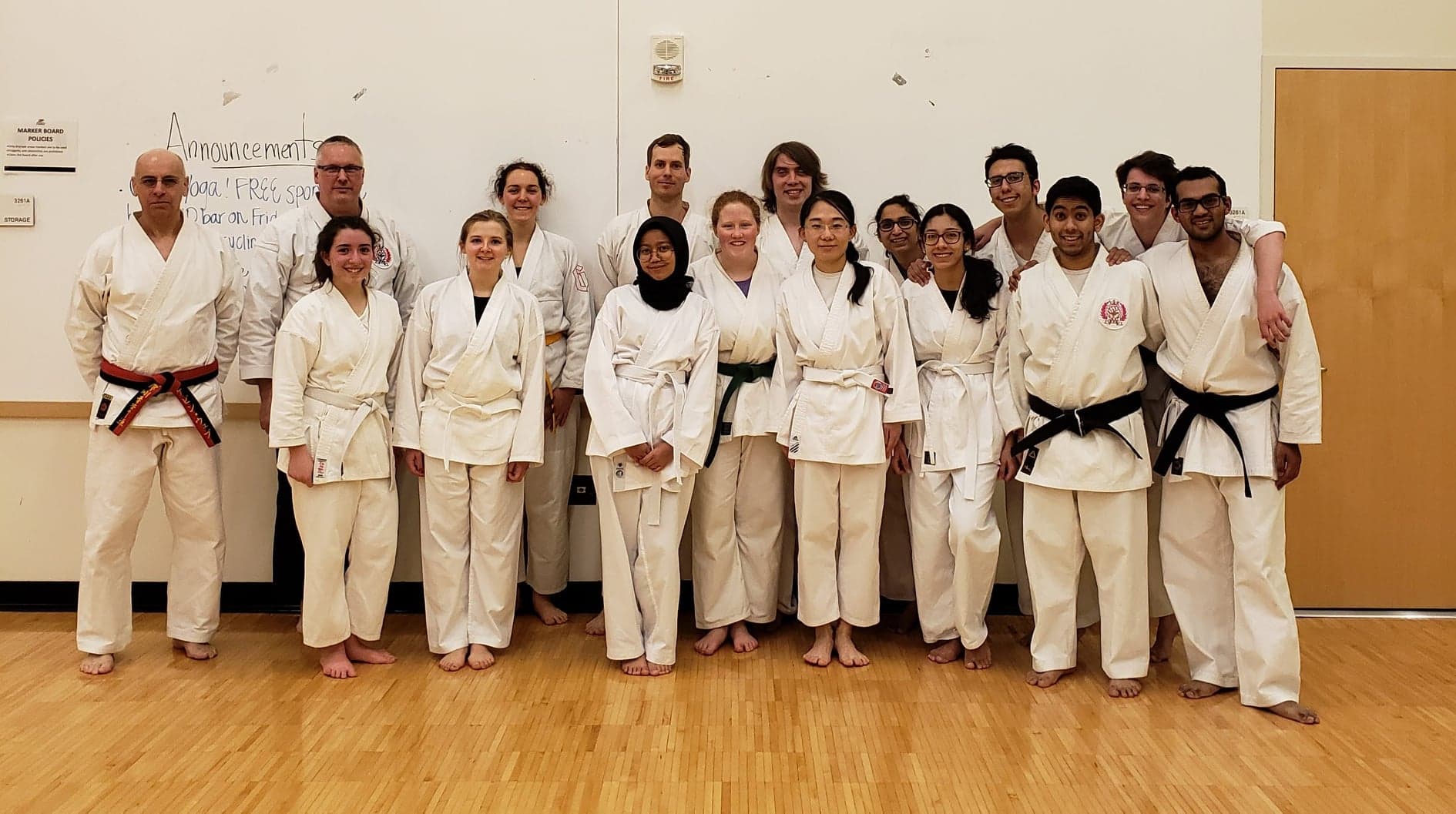
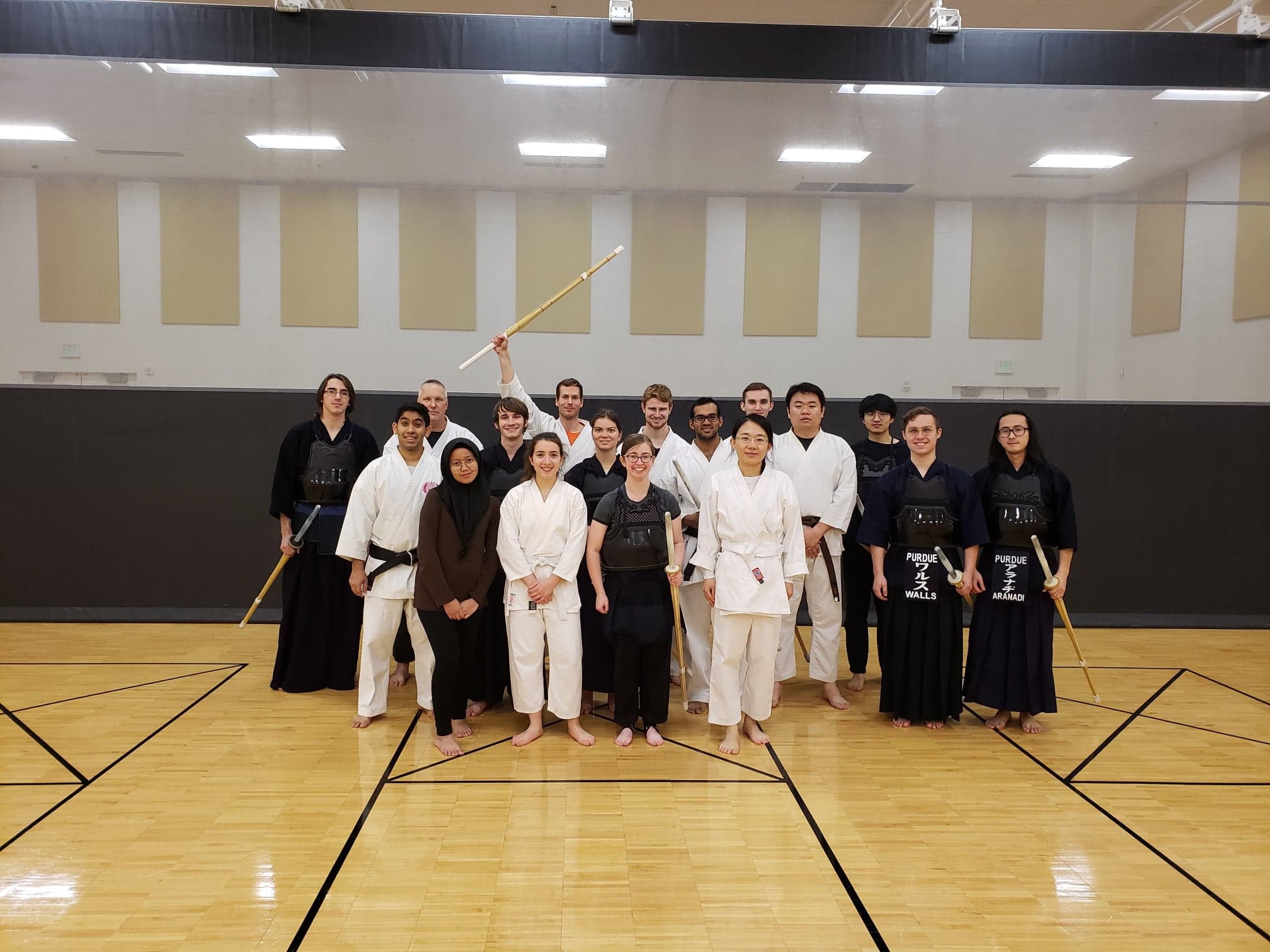
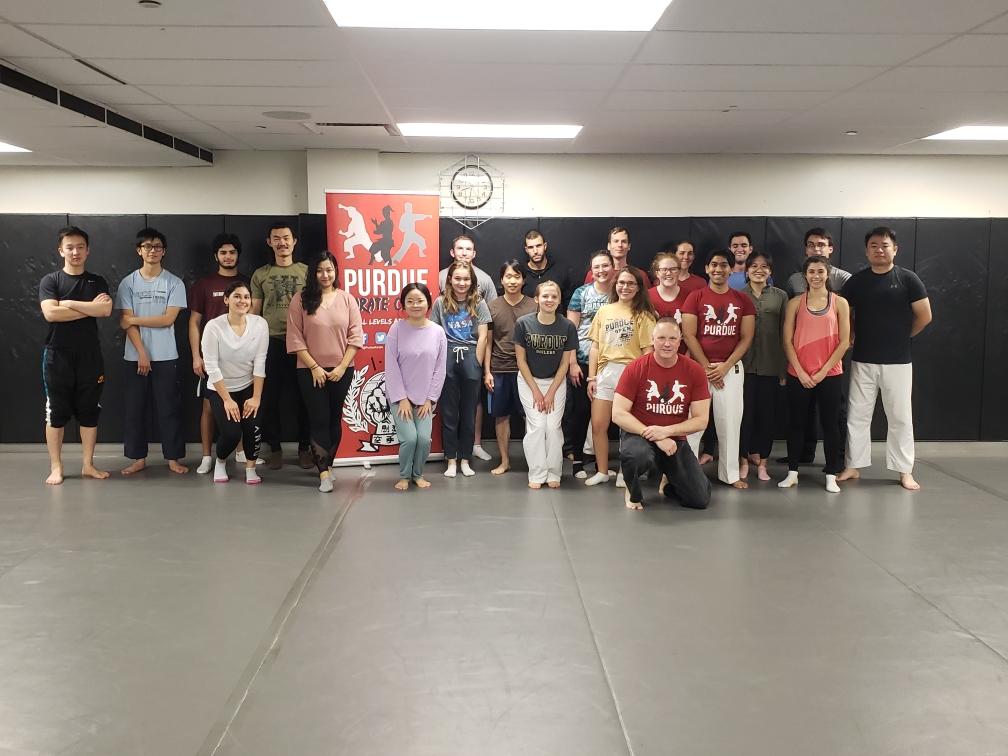
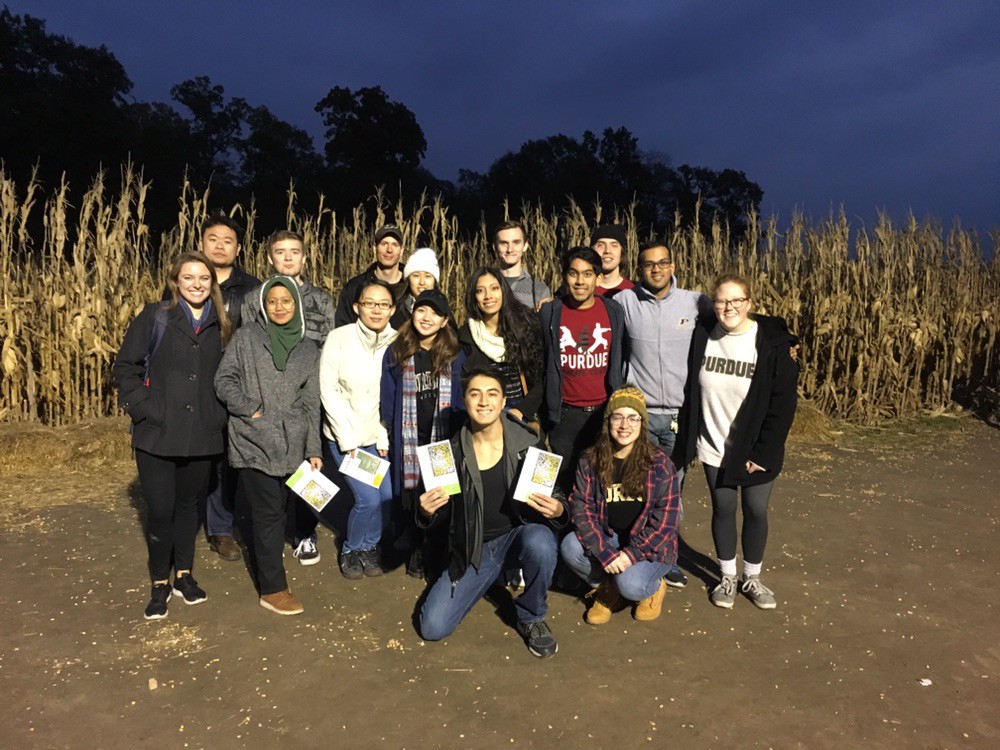
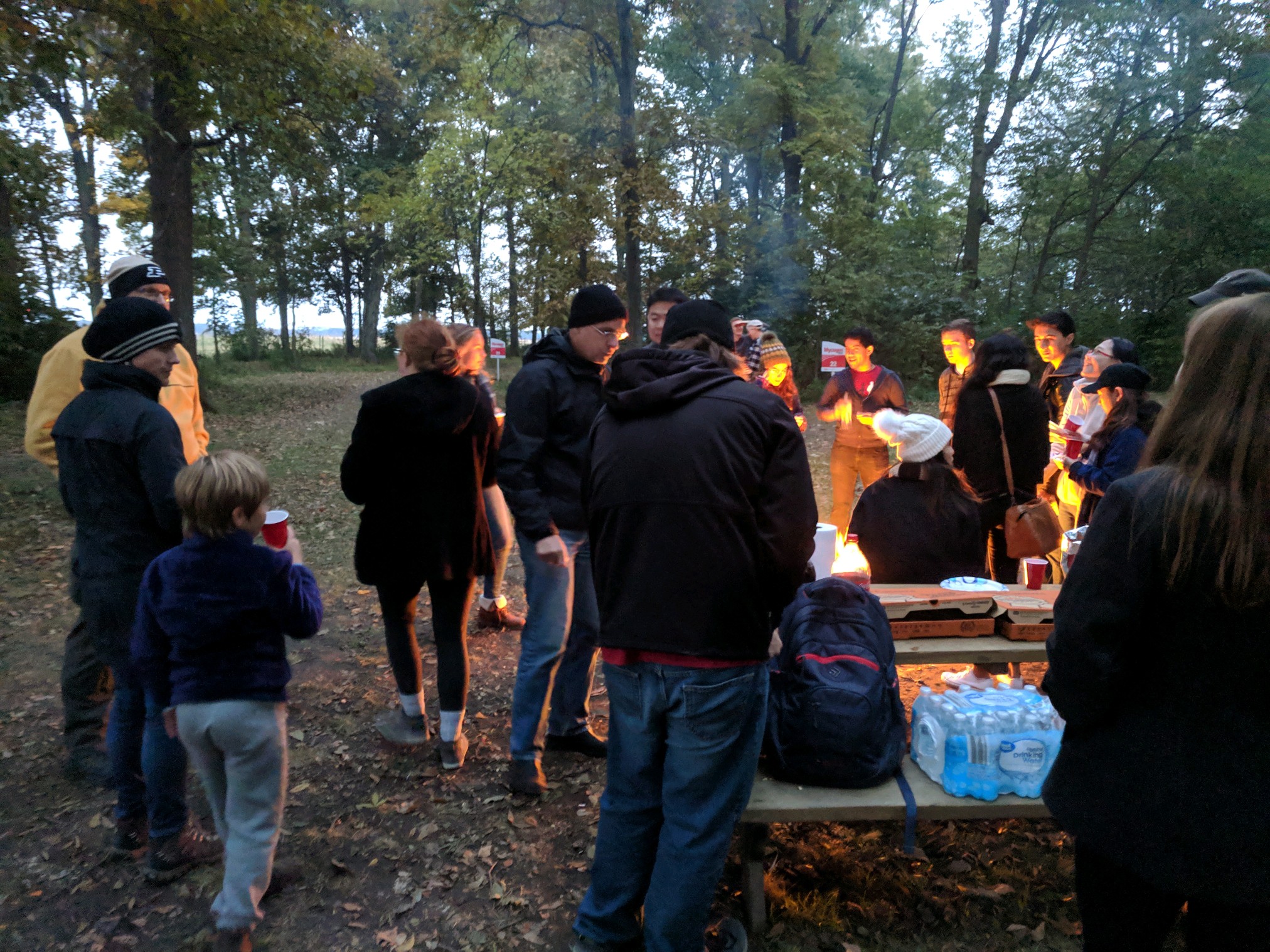
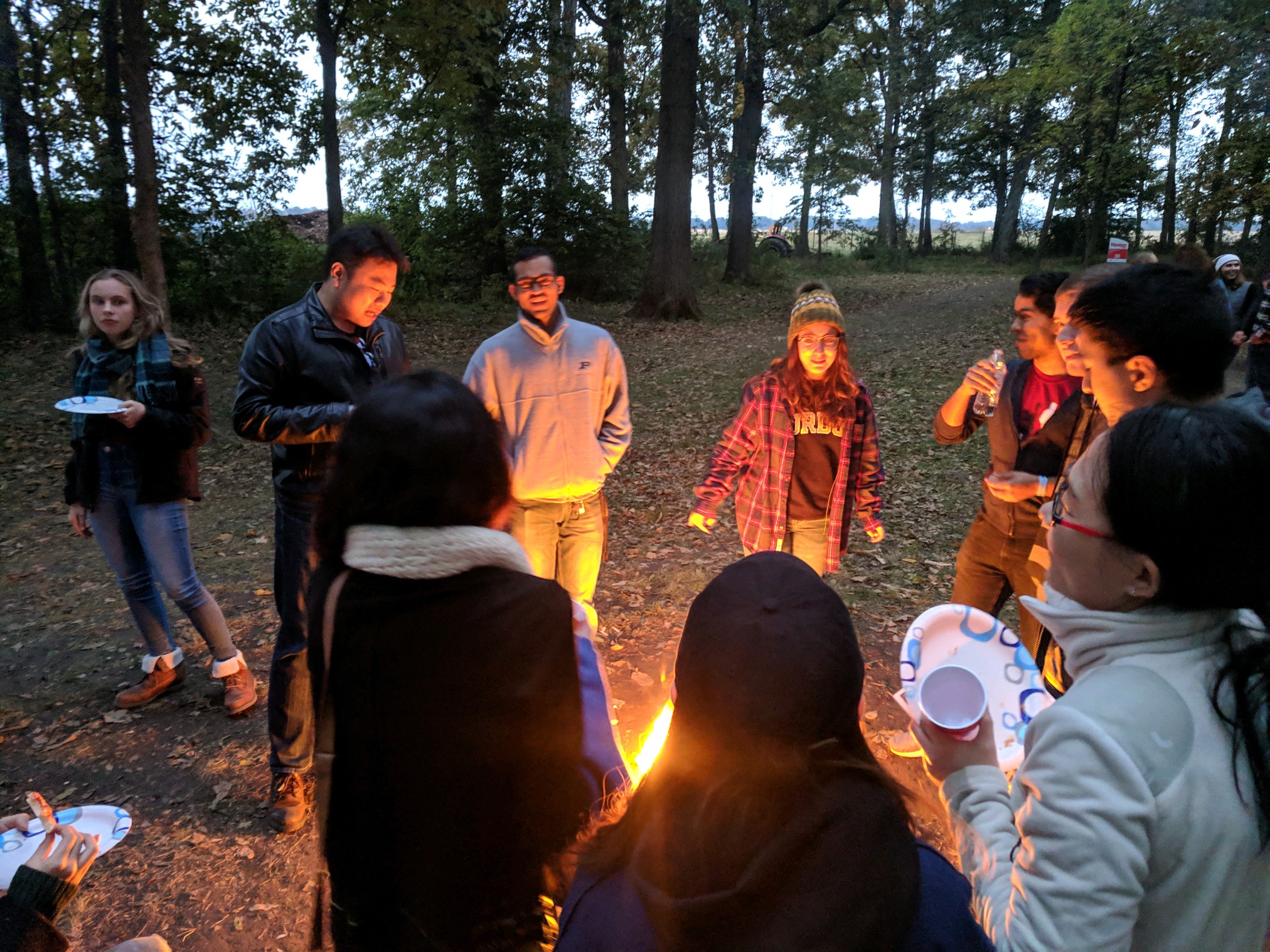
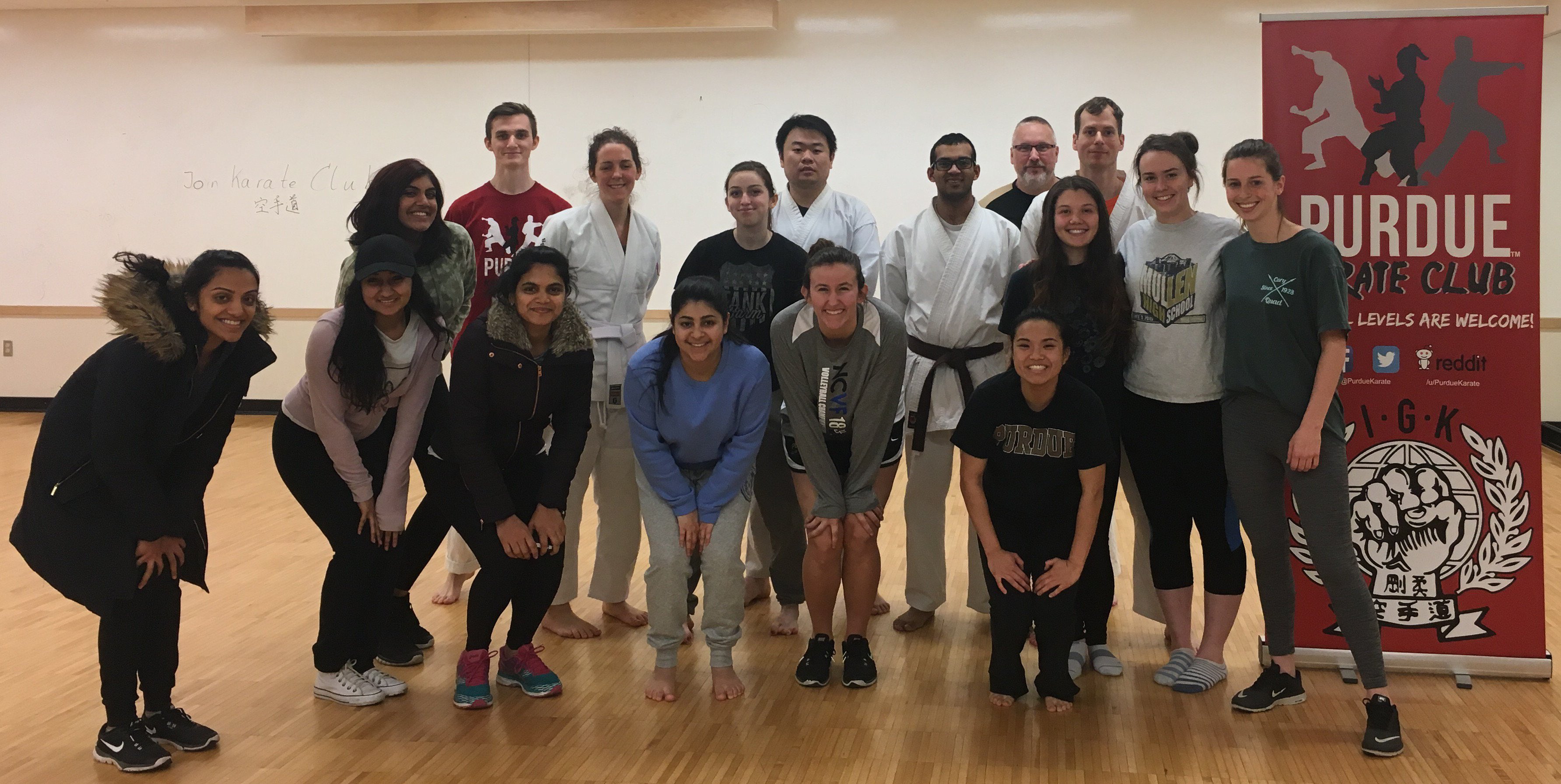
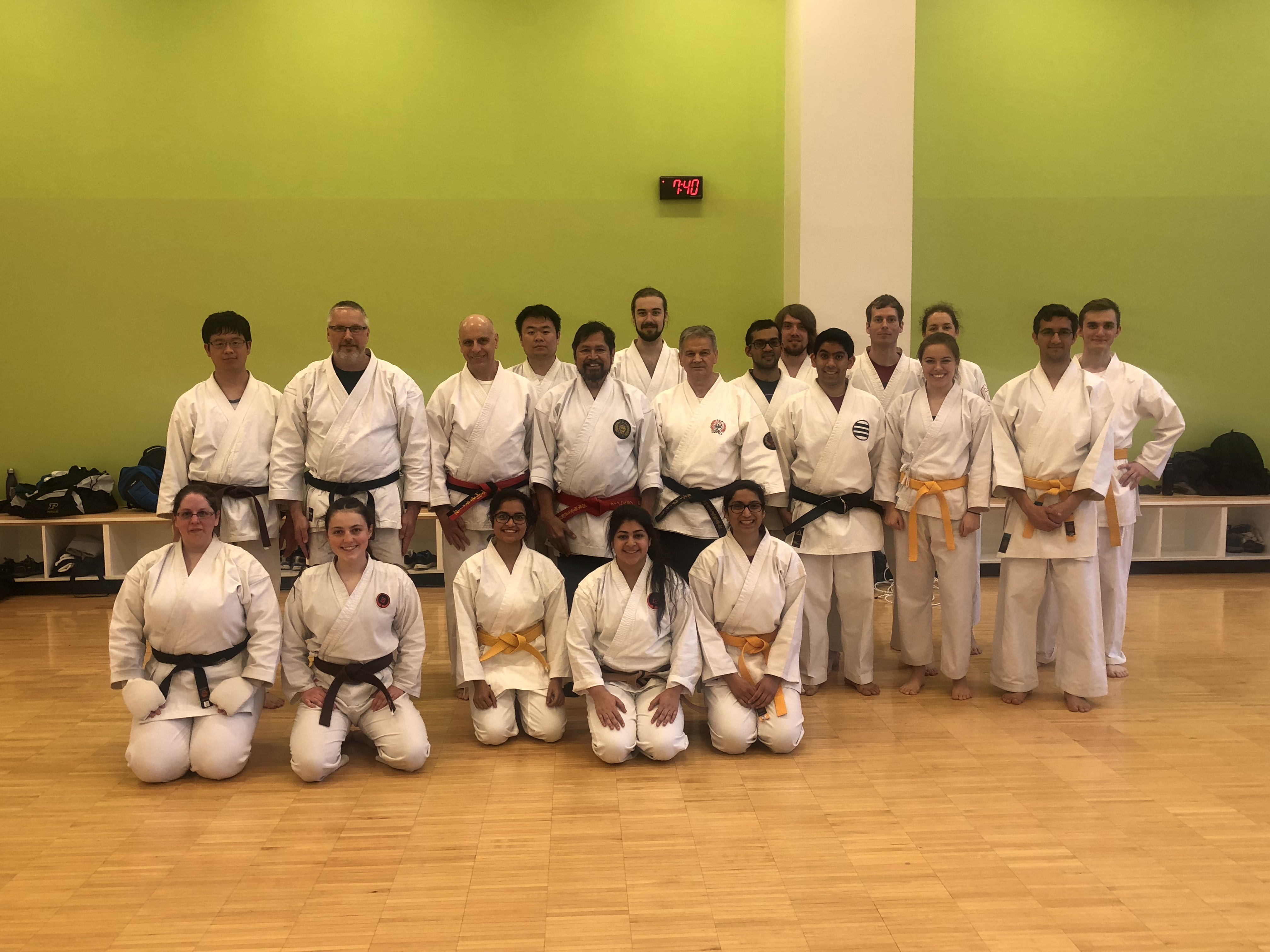
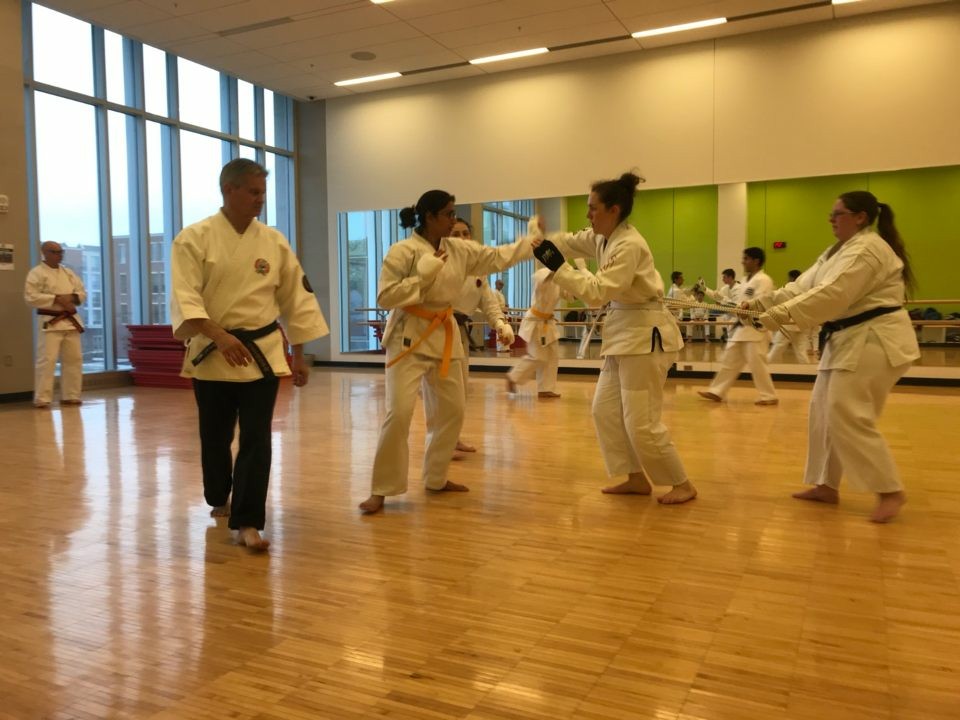
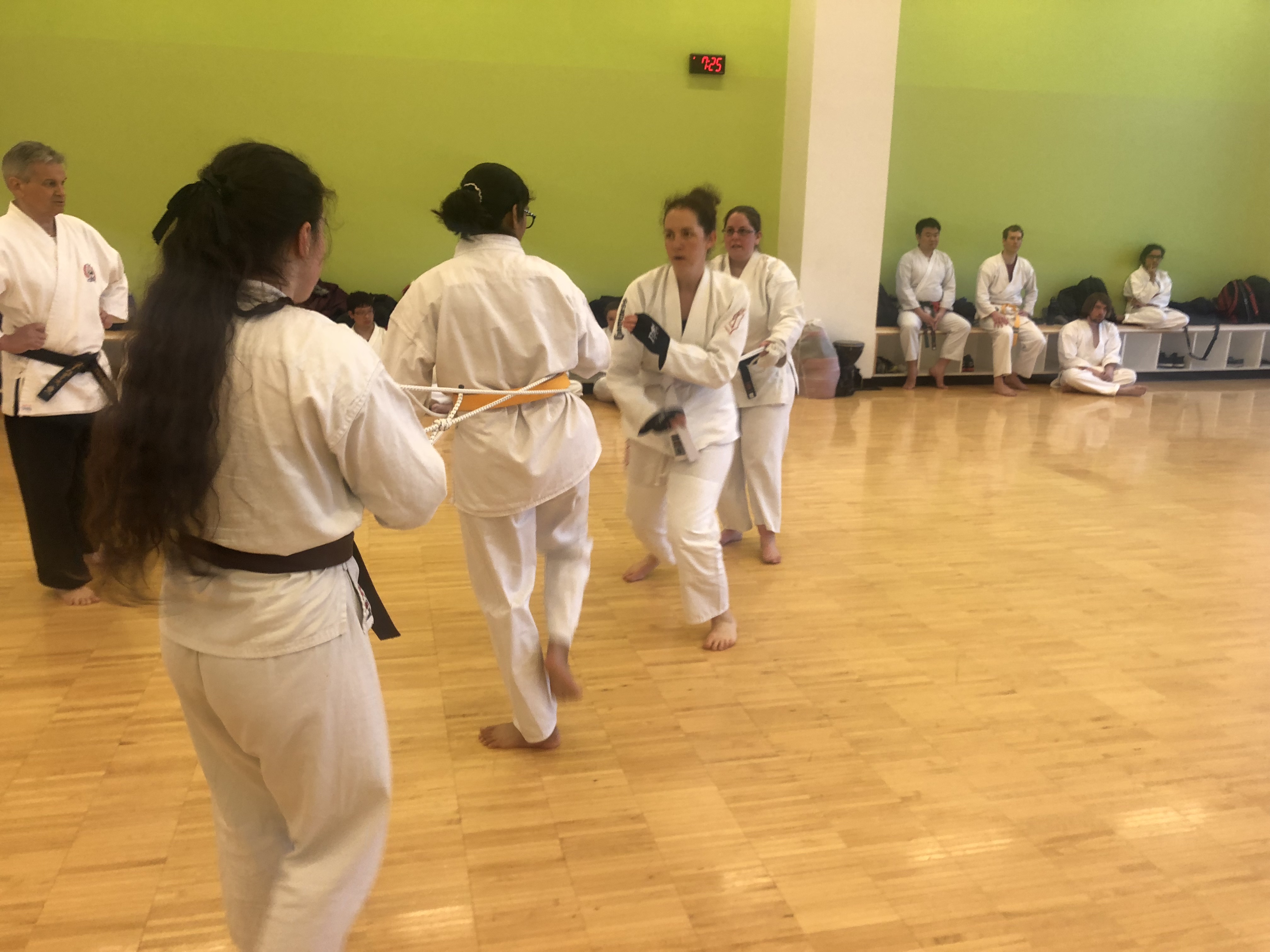
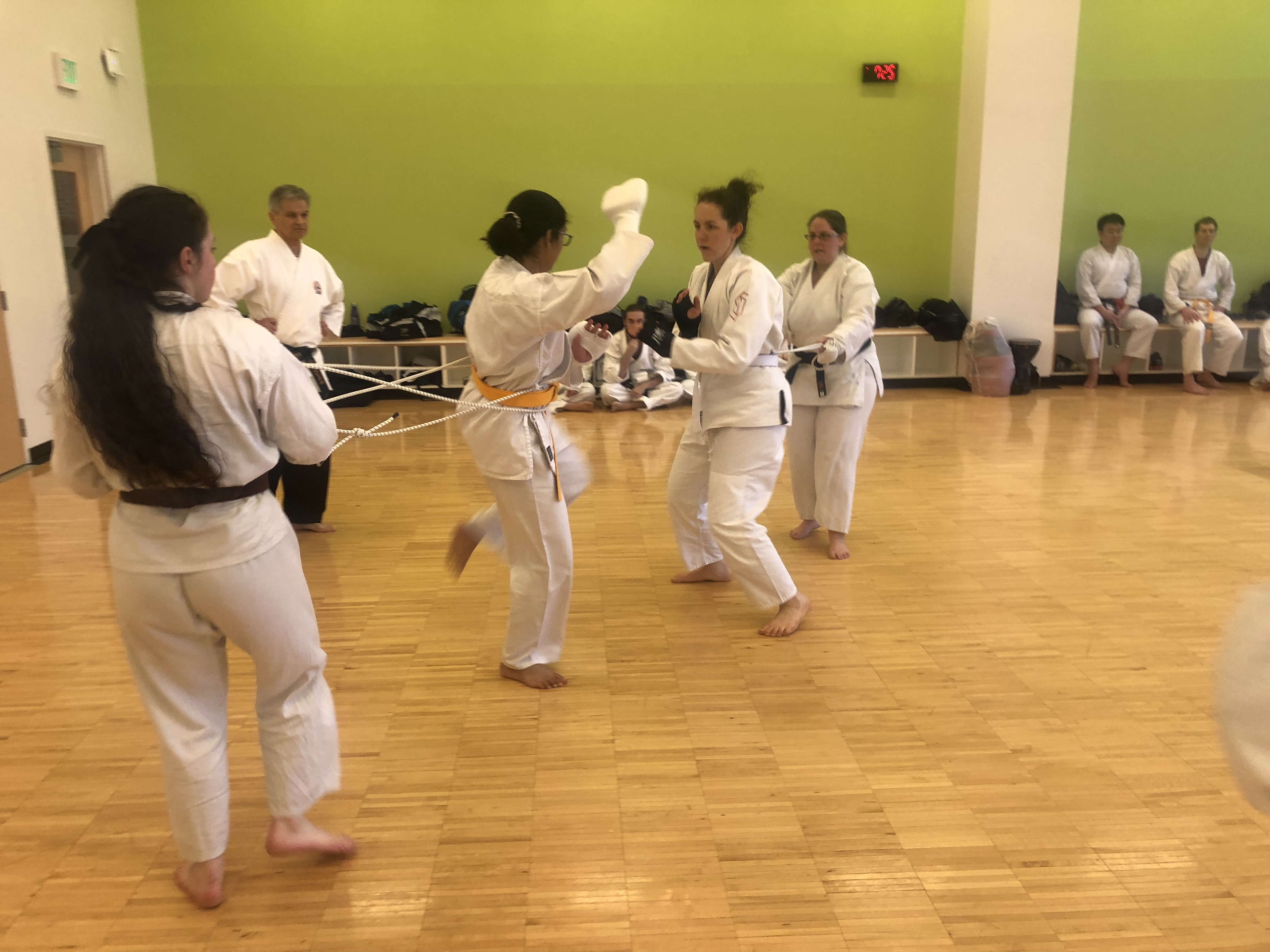
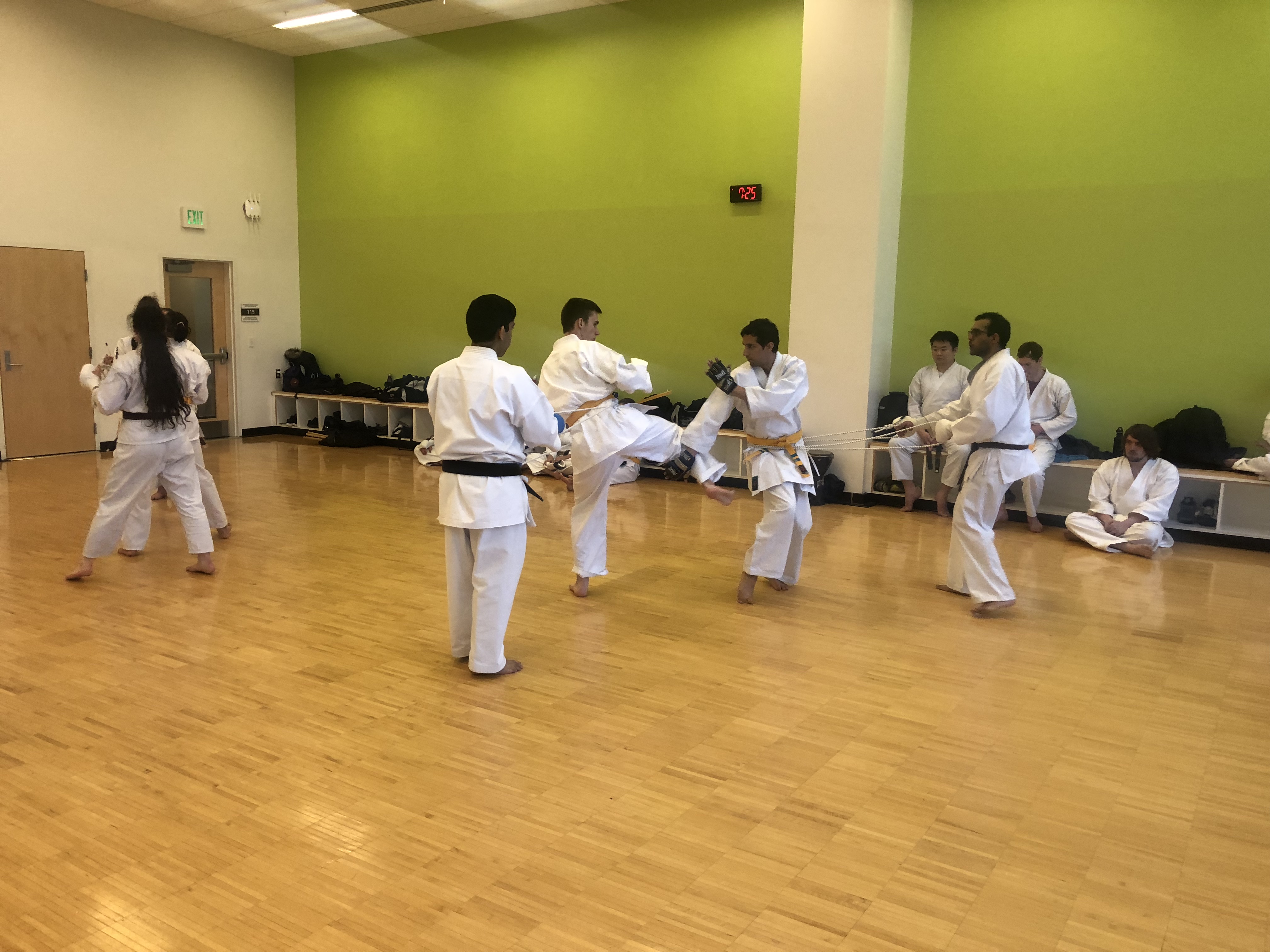
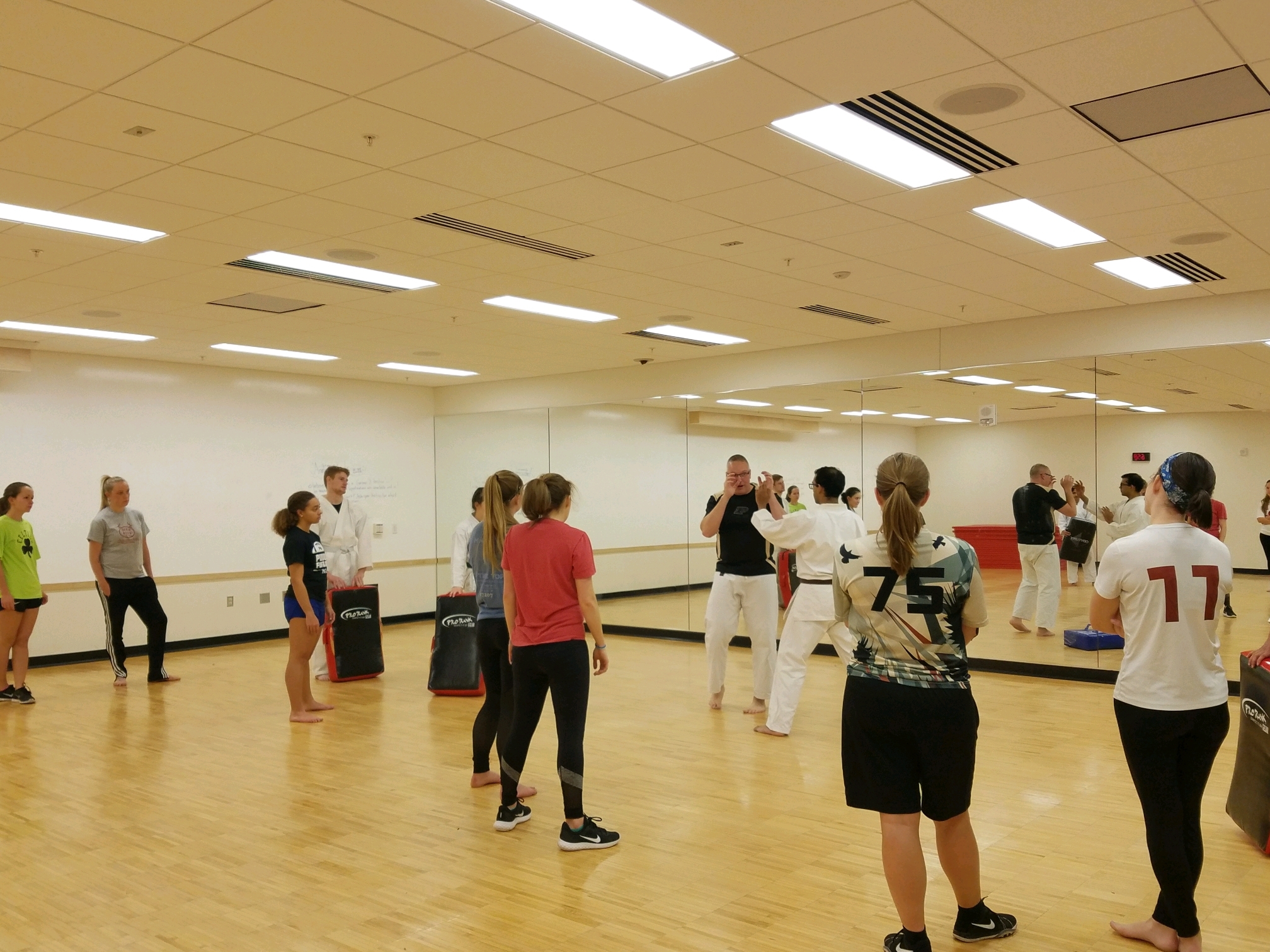
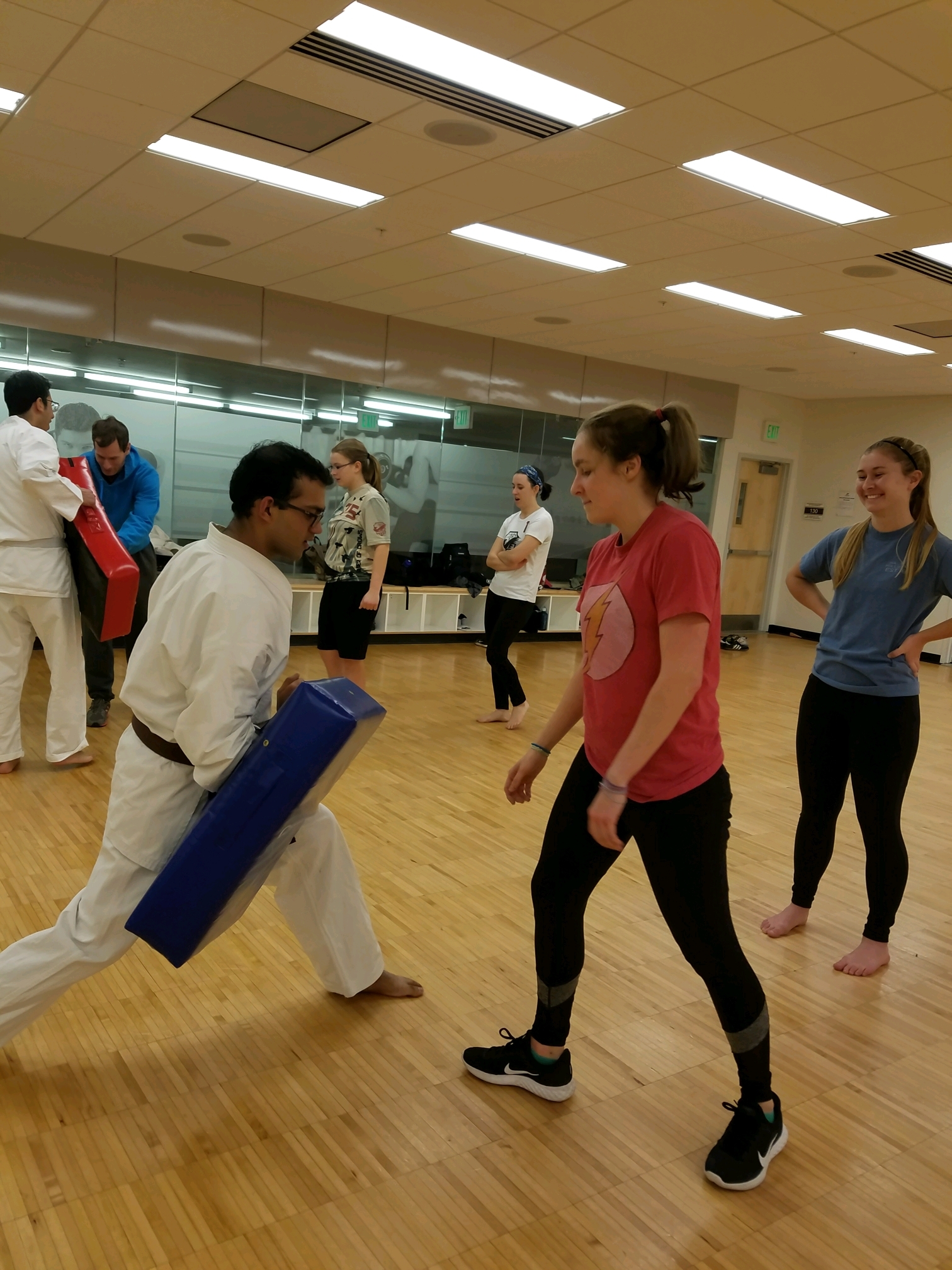
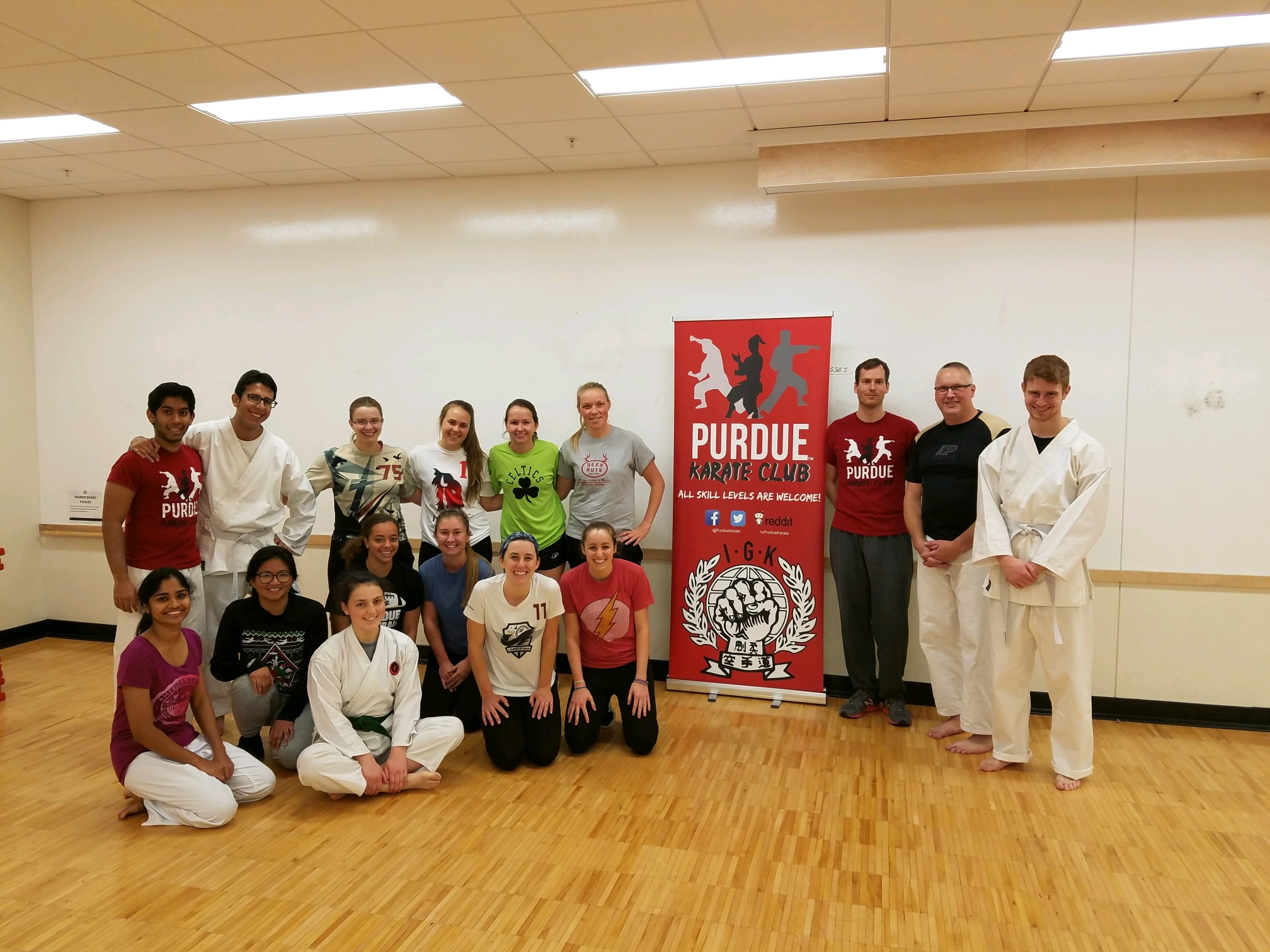
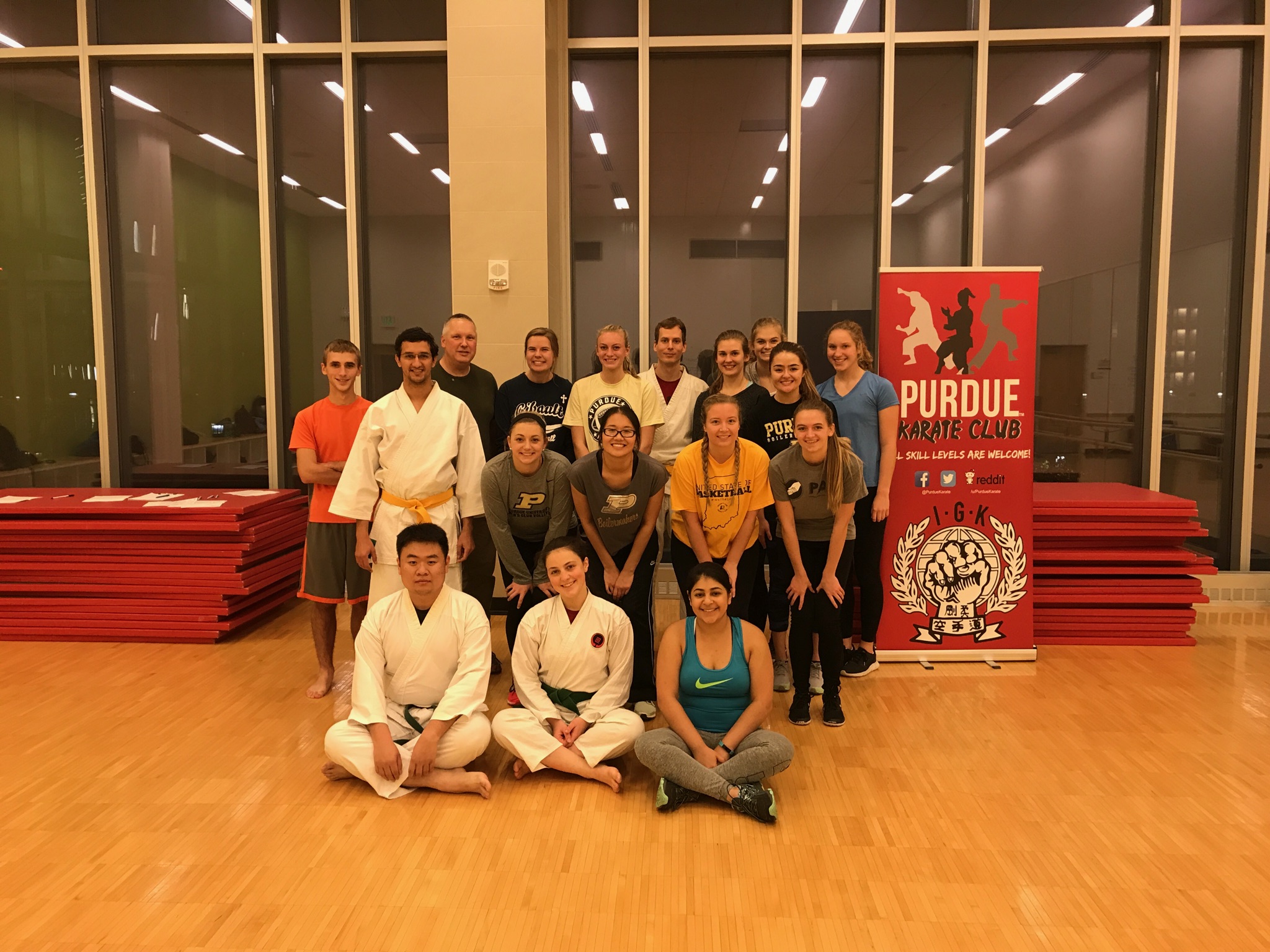
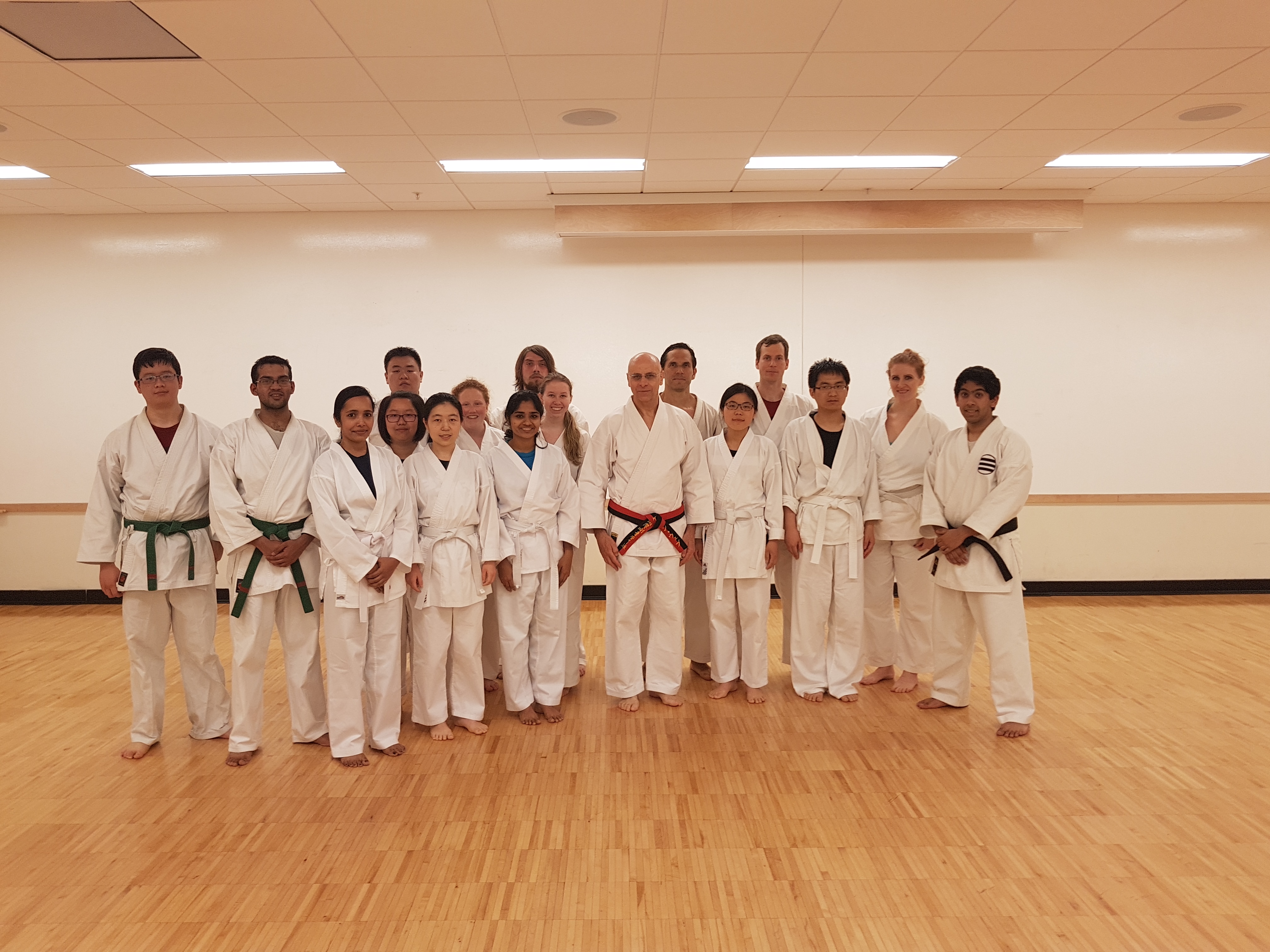
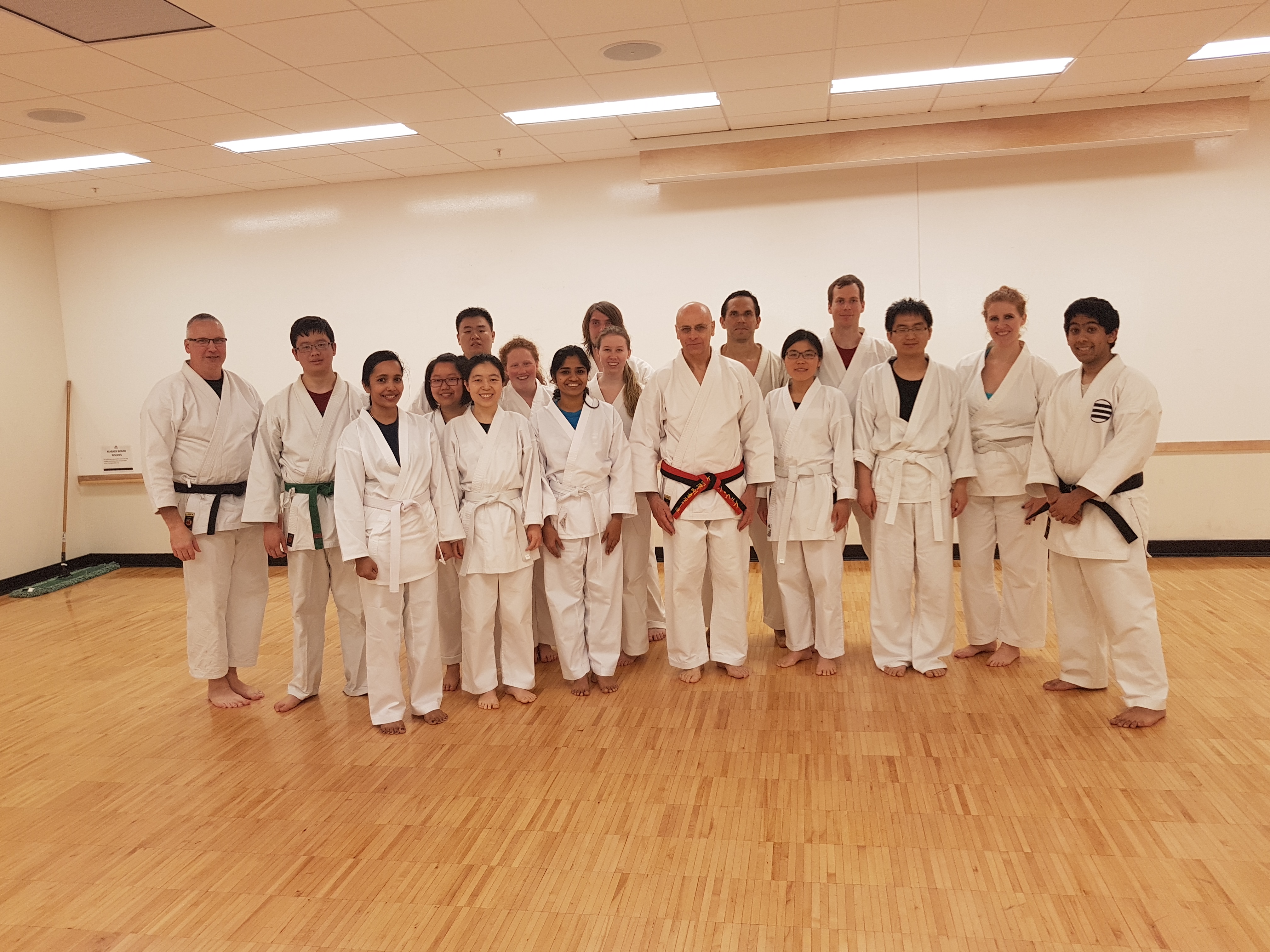
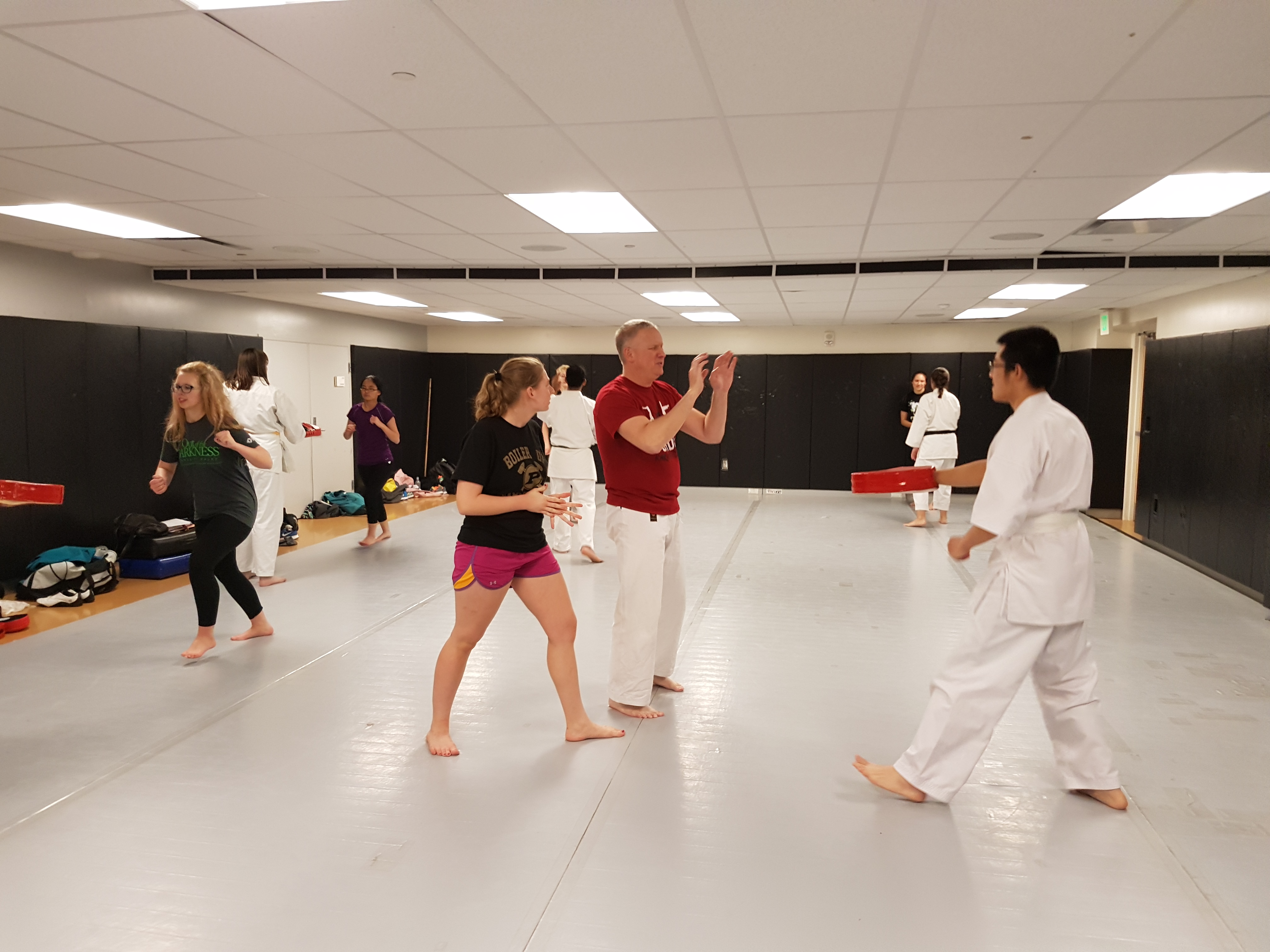
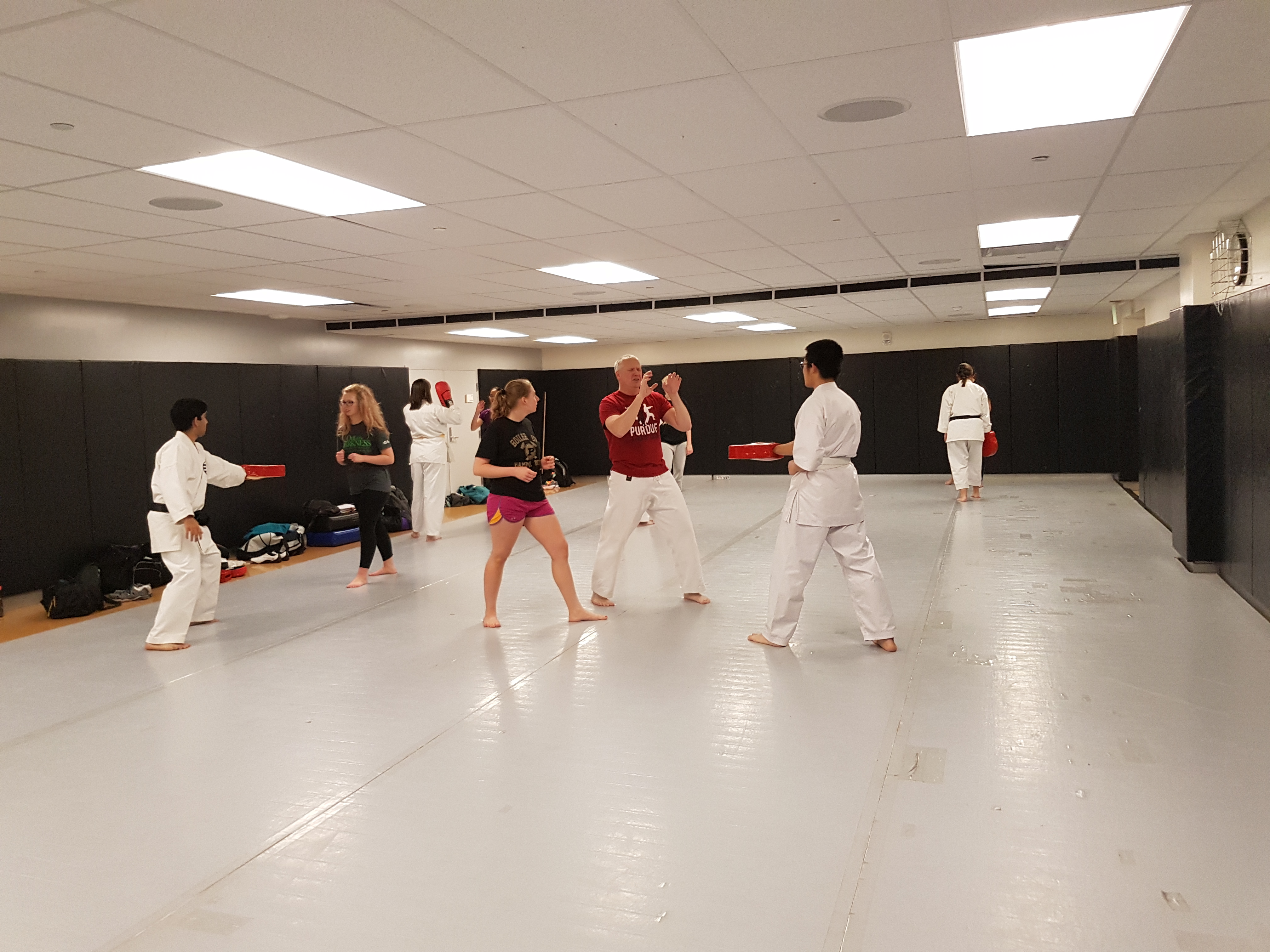
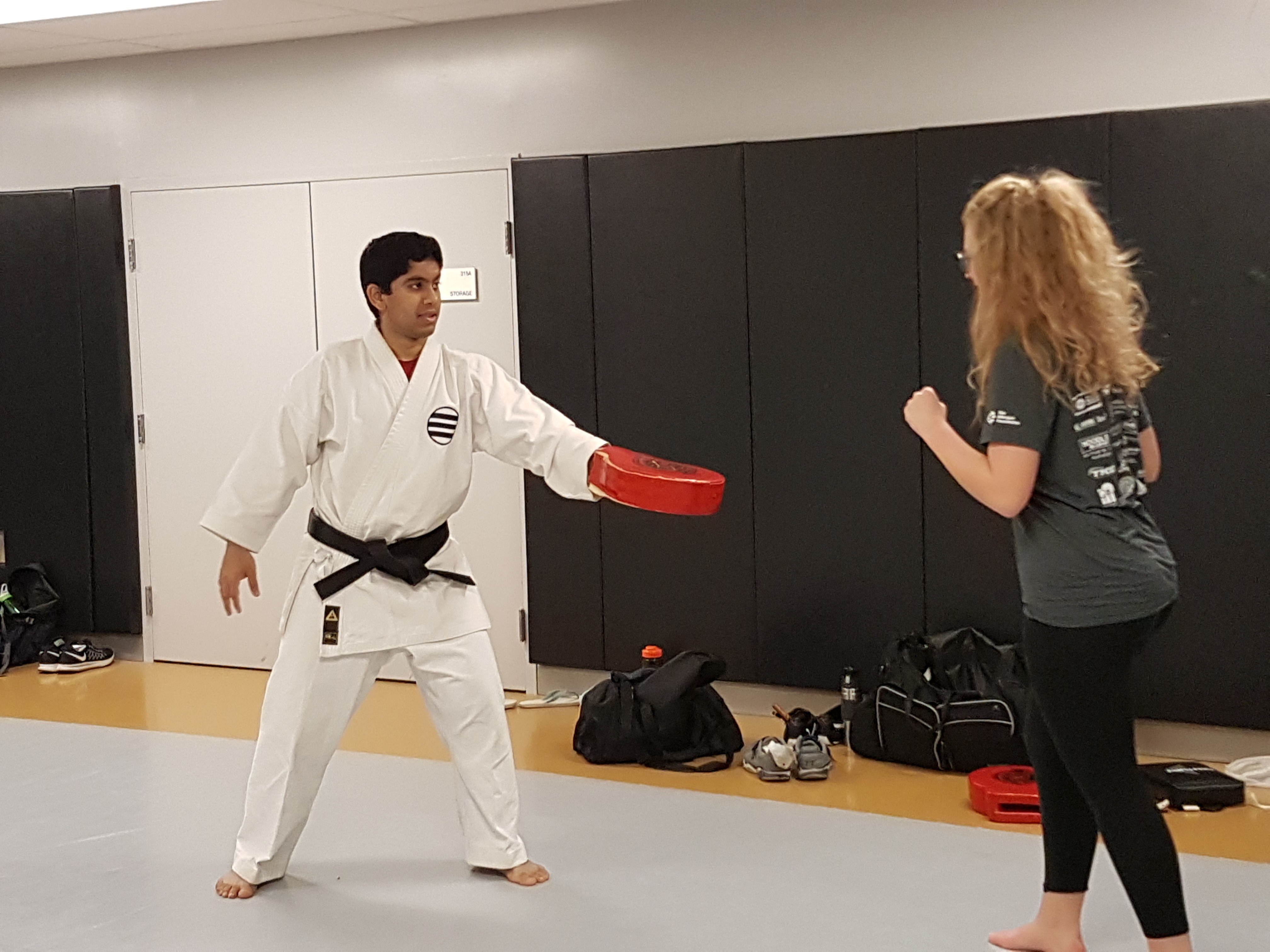
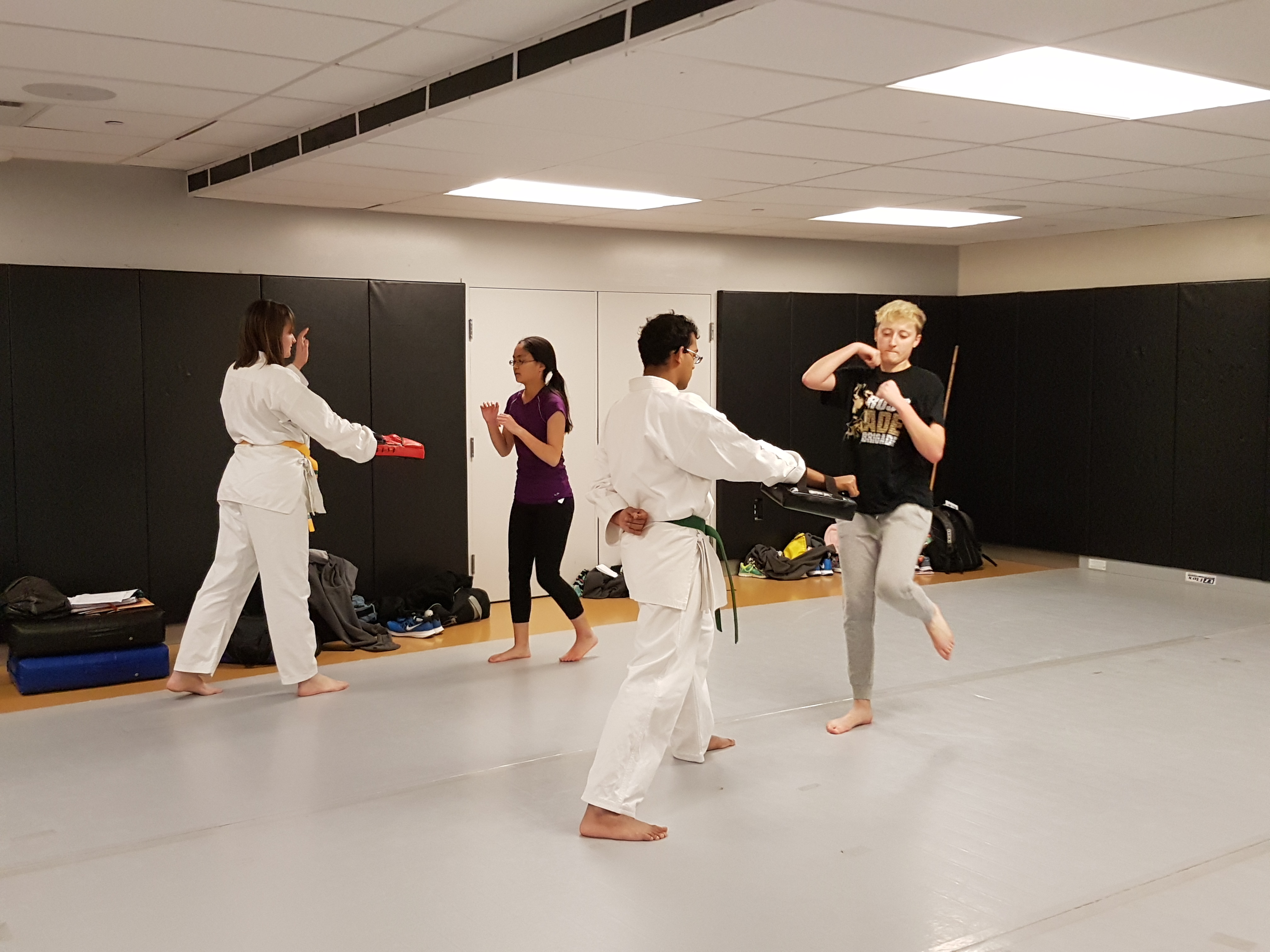
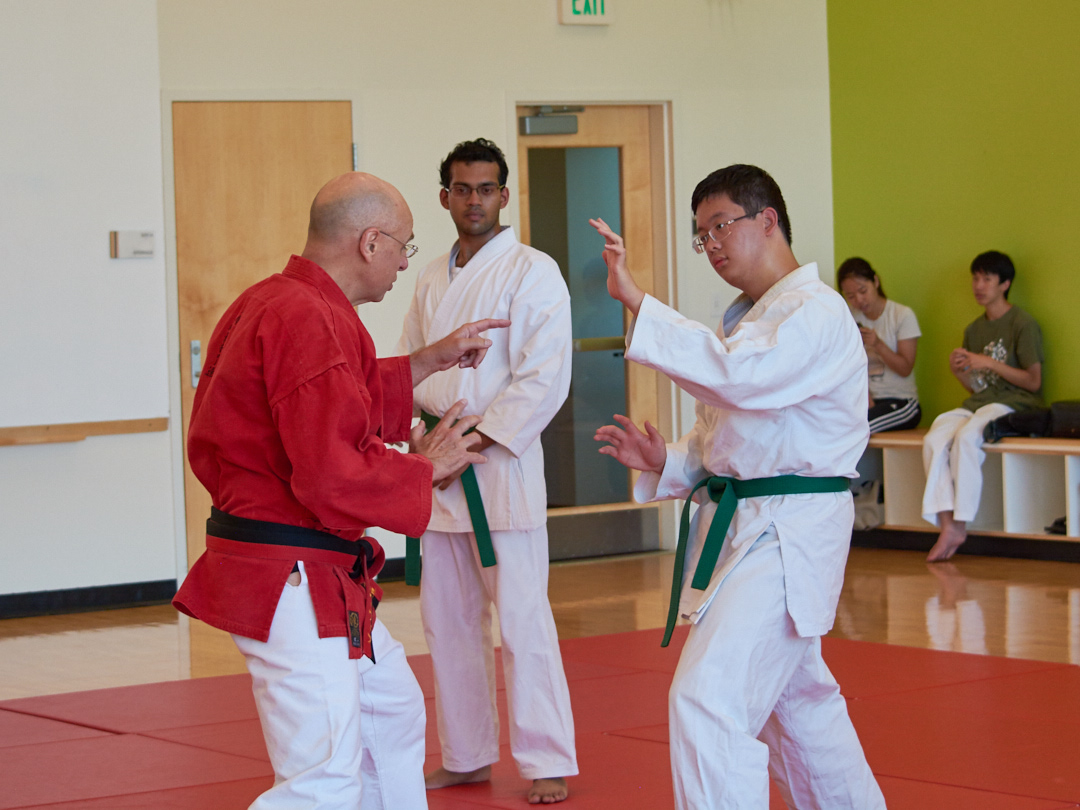
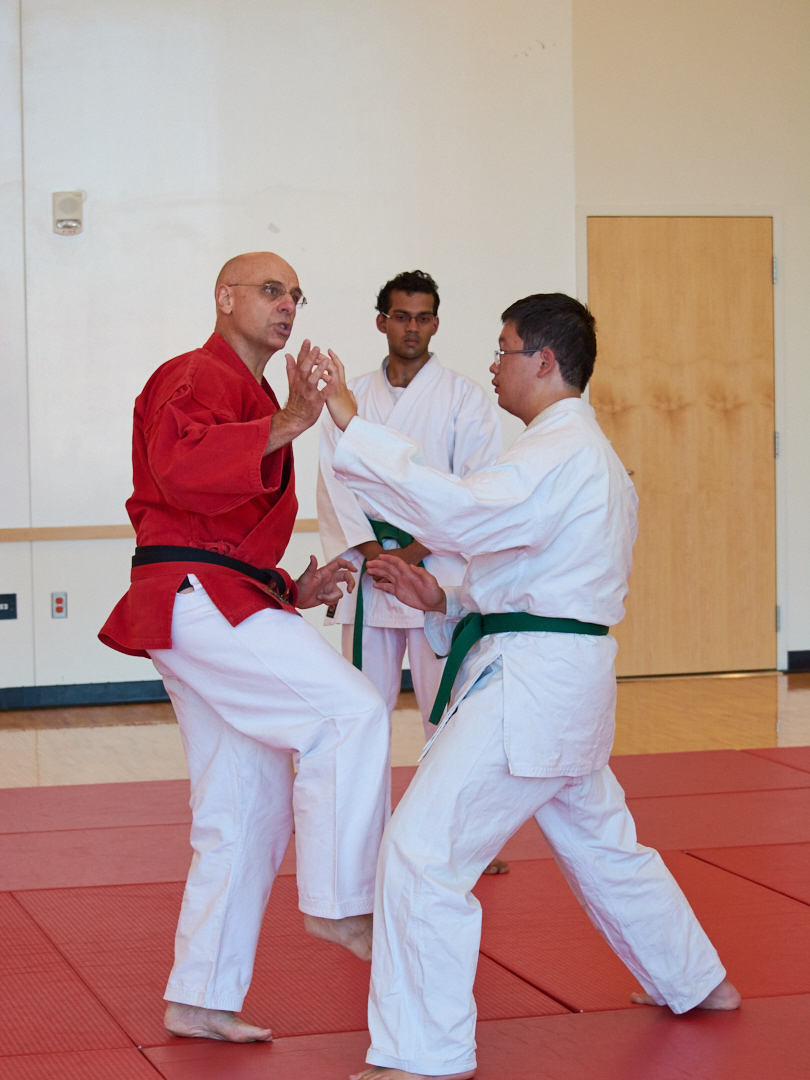
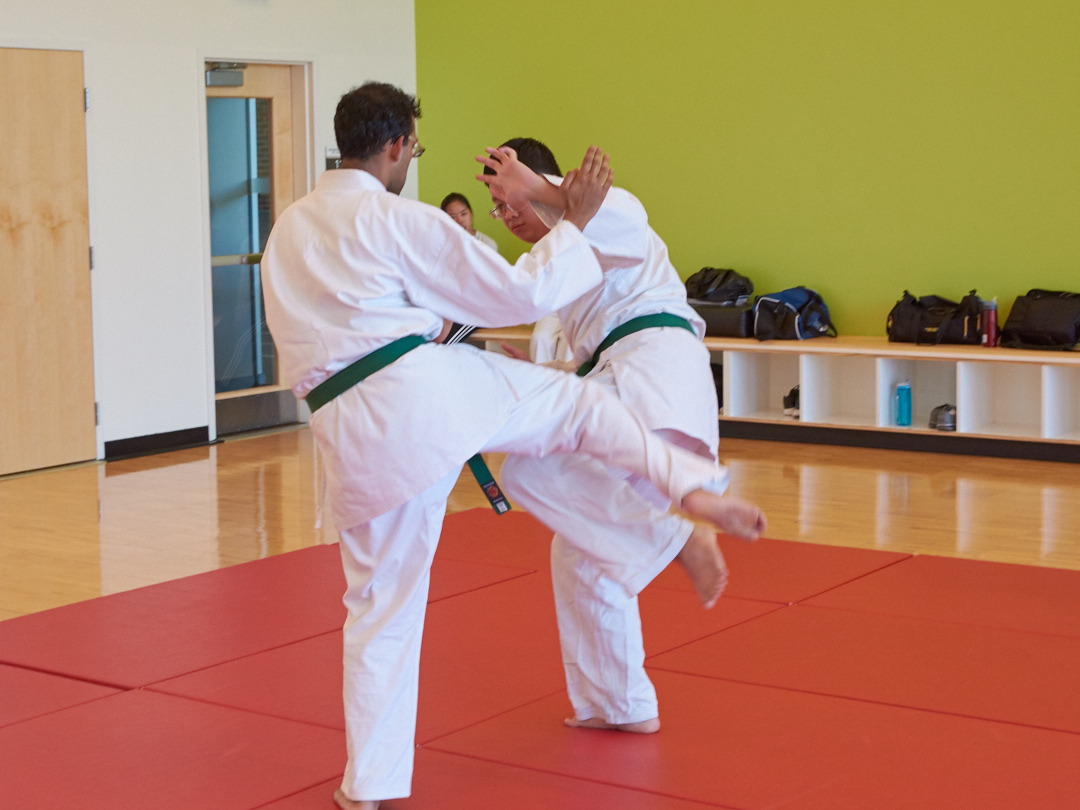
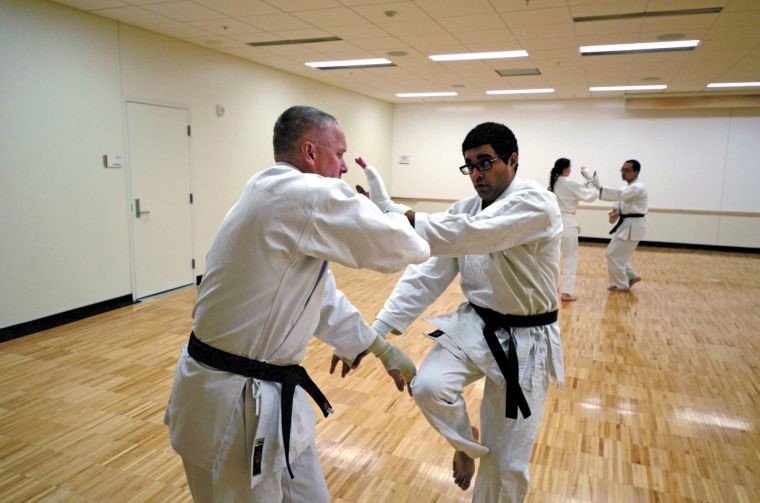
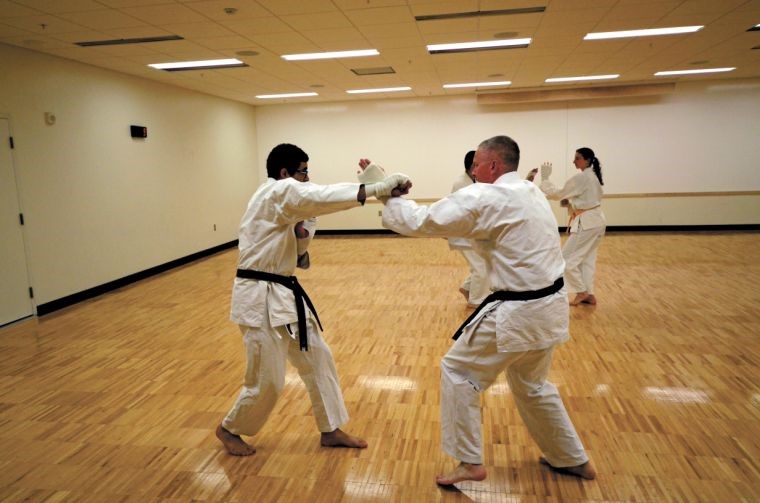
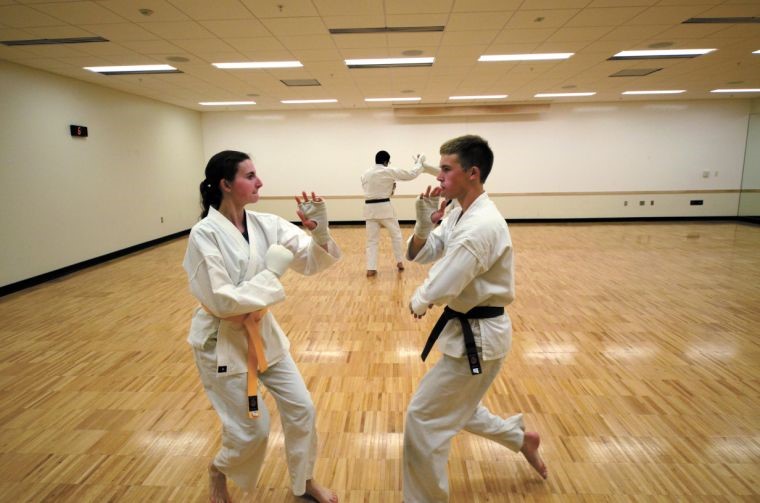
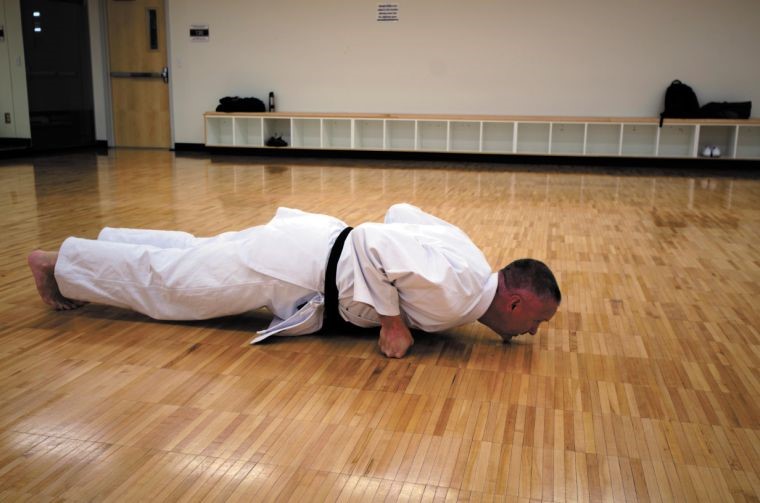
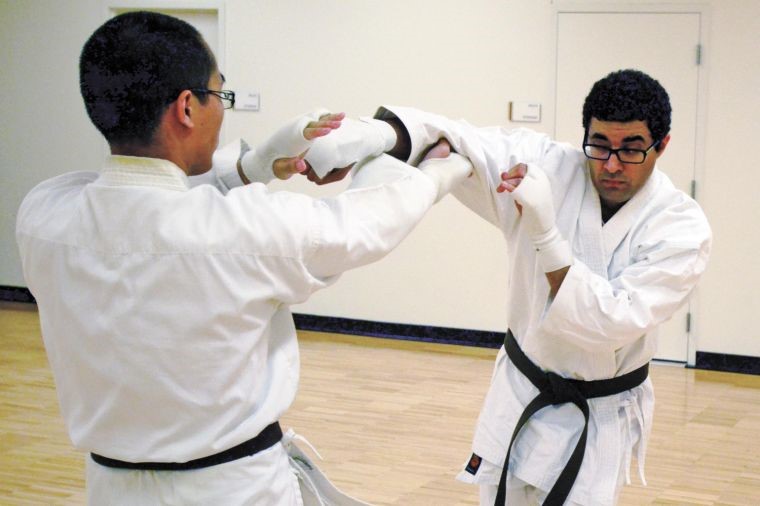
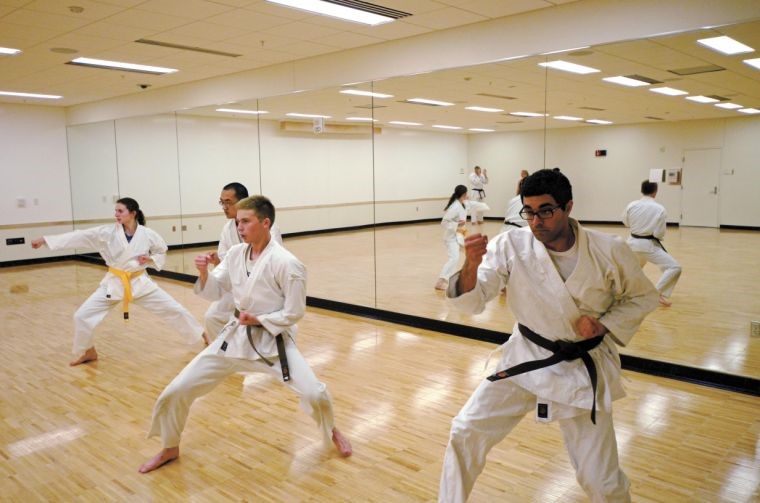
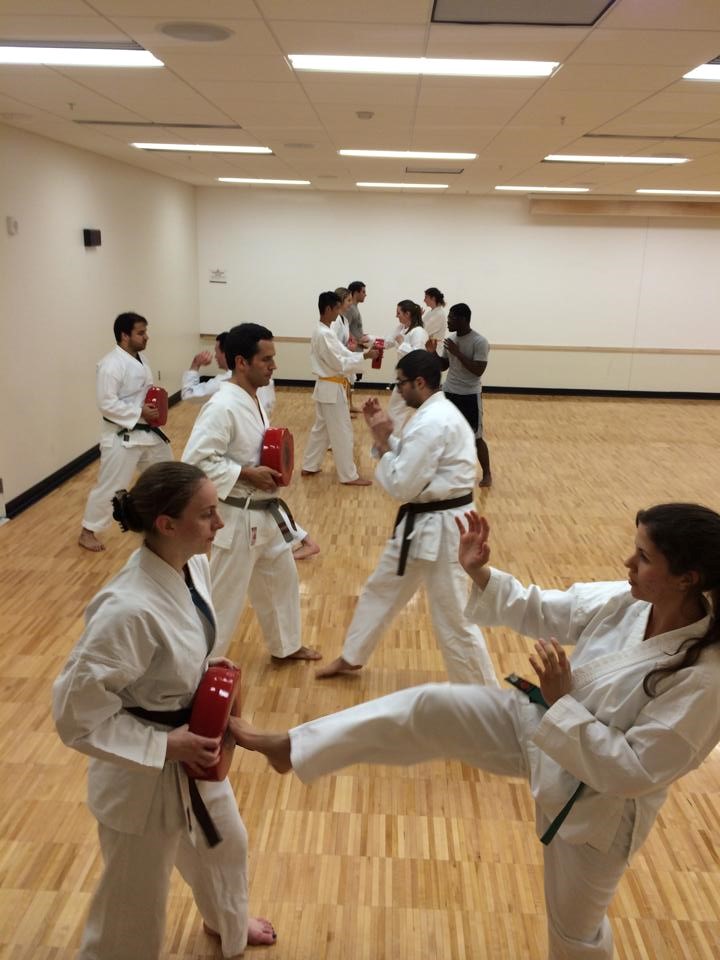
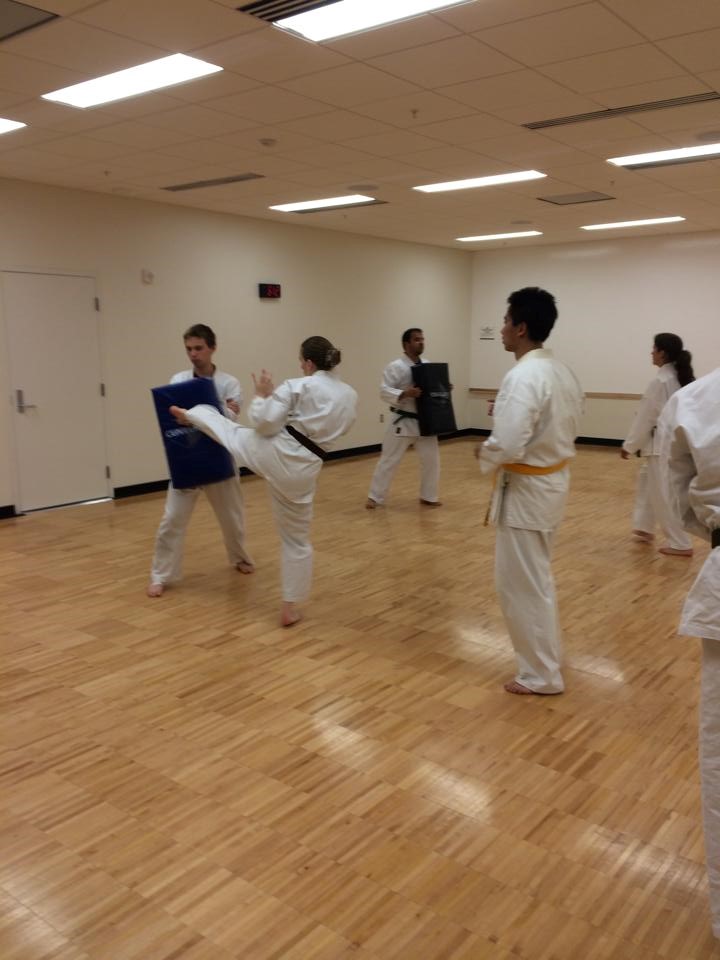
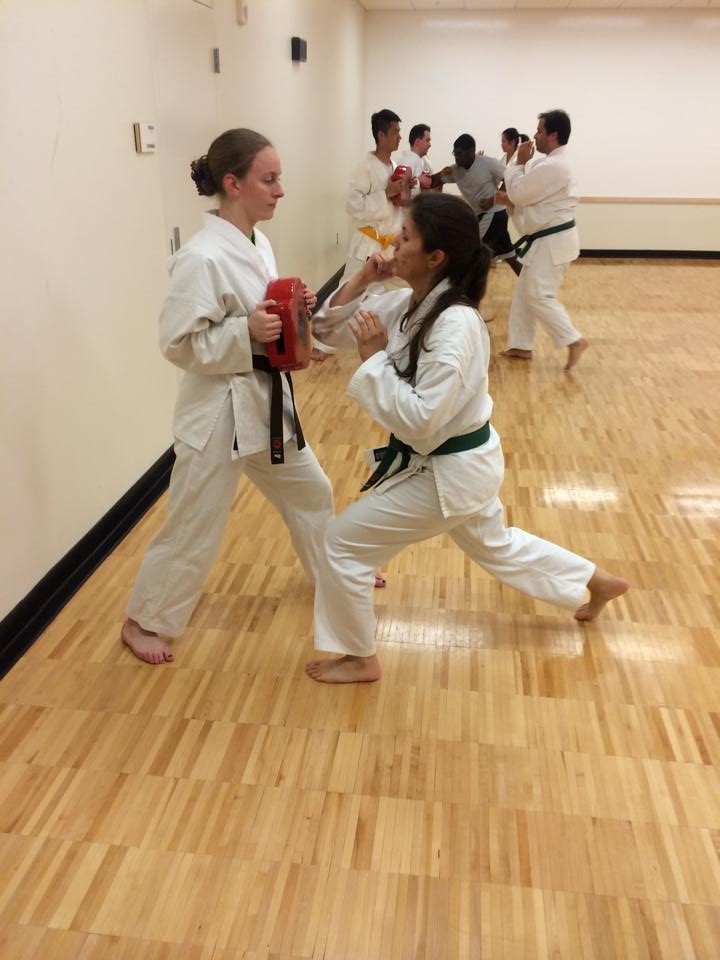
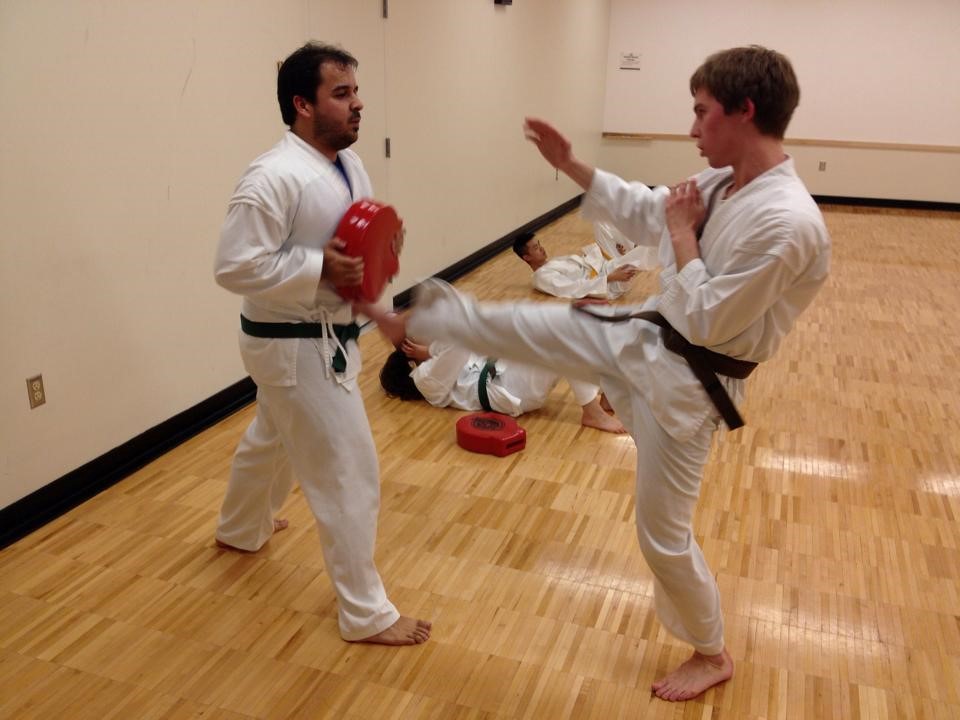
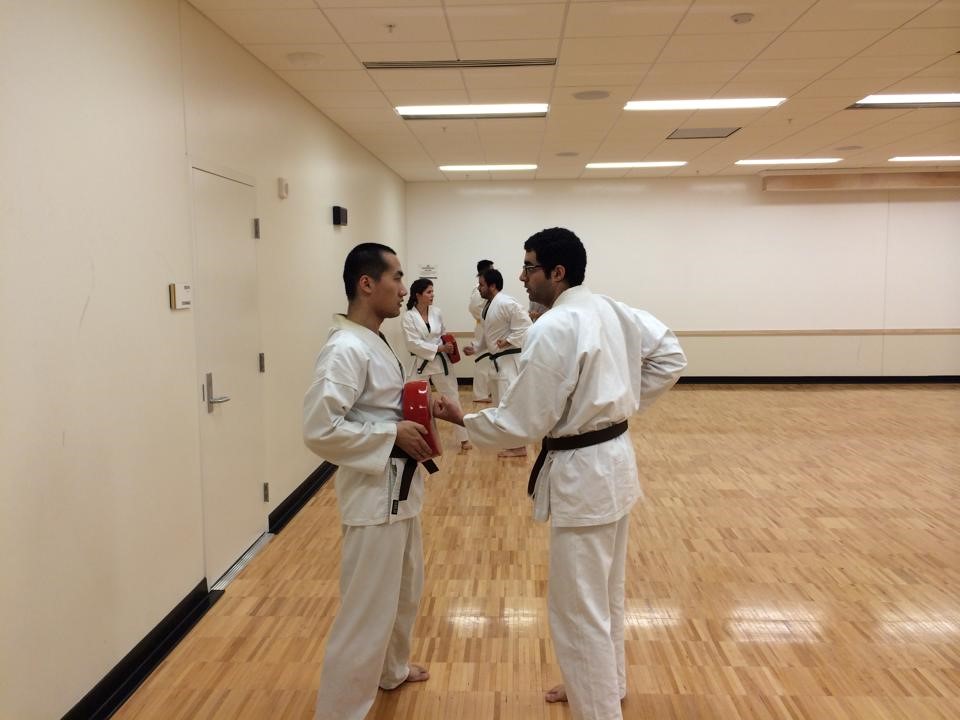
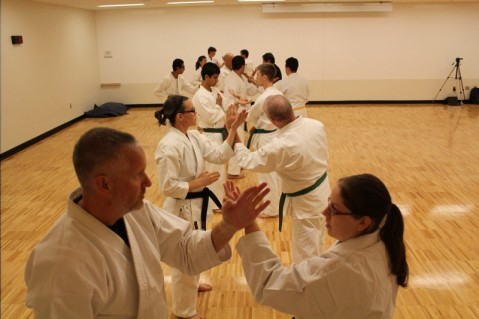
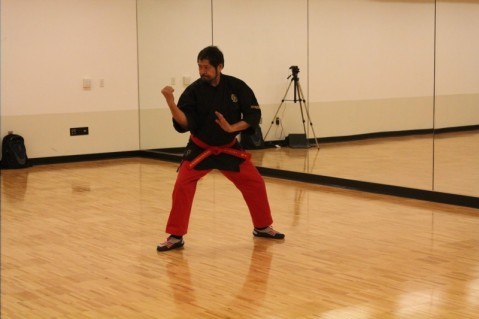
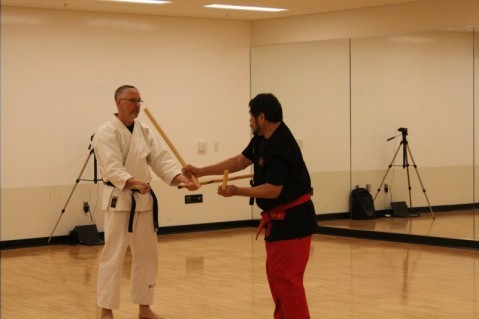
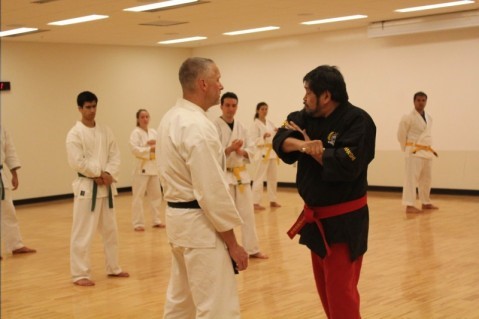
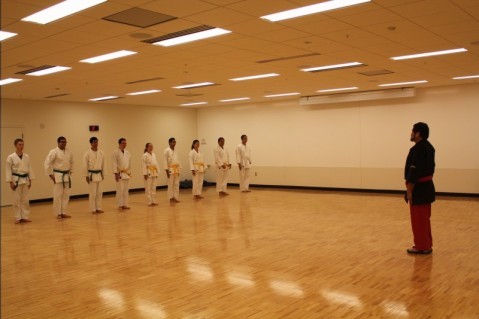
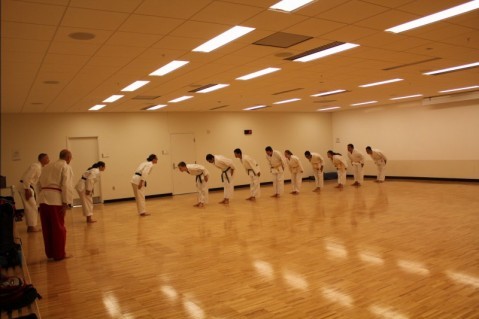
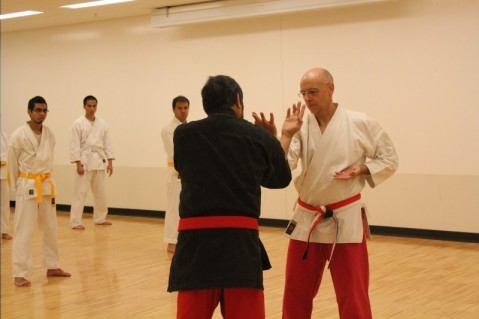
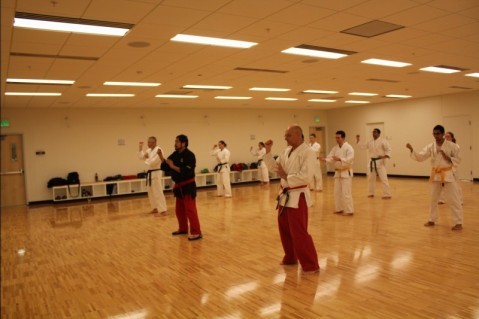
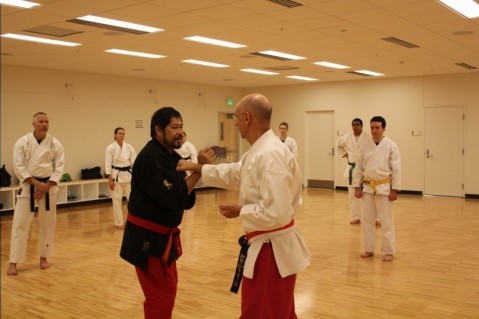
Welcome all Boilermakers! If you are looking to train in a martial art in the Purdue area, you have found the right place. Come check us out!
Find Out MoreWe meet three times a week at the CoRec, and all practices are open for Purdue affiliates to try out. New members of all experience levels are always welcome! We also invite karateka with prior experience to attend practice with the gi and obi from their home dojo.
Gōjū-ryū (剛柔流), (Japanese for "hard-soft style") is one of the main traditional Okinawan styles of karate, featuring a combination of hard and soft techniques. Both principles, hard and soft, come from the famous martial arts book Bubishi (Chinese: wu bei ji), used by Okinawan masters during the 19th and 20th centuries. Go which means hard, refers to closed hand techniques or straight linear attacks; Ju, which means soft, refers to open hand techniques and circular movements.
A Go technique meets force with force; either with a head-on-force blocking technique, or by diagonally cutting the strike with (one's) force. Although hard techniques require greater strength for successful execution, it is the mechanics of the technique that accomplish the defense.
The goal of the Ju technique is turning the attacker's force to his or her disadvantage, with the defender exerting minimal force. With a soft technique, the defender uses the attacker's force and momentum against him or her, by leading the attack(er) in a direction to where the defender will be advantageously positioned (tai sabaki) and the attacker off balance.
The origins of karatedo go back to the ancient travels of Buddhist monks throughout the Asian frontier. Unarmed and oppressed, it became necessary for them to develop a weaponless form of self-defense for their survival.
In the late 1800's, an enthusiastic Okinawan youngster by the name of Chojun Miyagi became well-skilled in the art and determined to know more. His search led him to the hard school of Shaolin Chuan, the soft school of Pakua Chan, and from these two he developed his own style of Goju — hard and soft.
He systemized the style into basically the system used all over the world today, and organized the style into its current organization, Goju Kai. On his deathbed, the old master Miyagi announced Gogen Yamaguchi as his successor, who became 10th Dan and Grand Master of Goju Kai.
Yamaguchi traveled to Hawaii in 1966 where the head of our style, Hanshi Tino Ceberano, first met him. Ceberano established Gōju Kai in Australia in 1966 at Yamaguchi's request and is well known as the "father of Australian Karate."
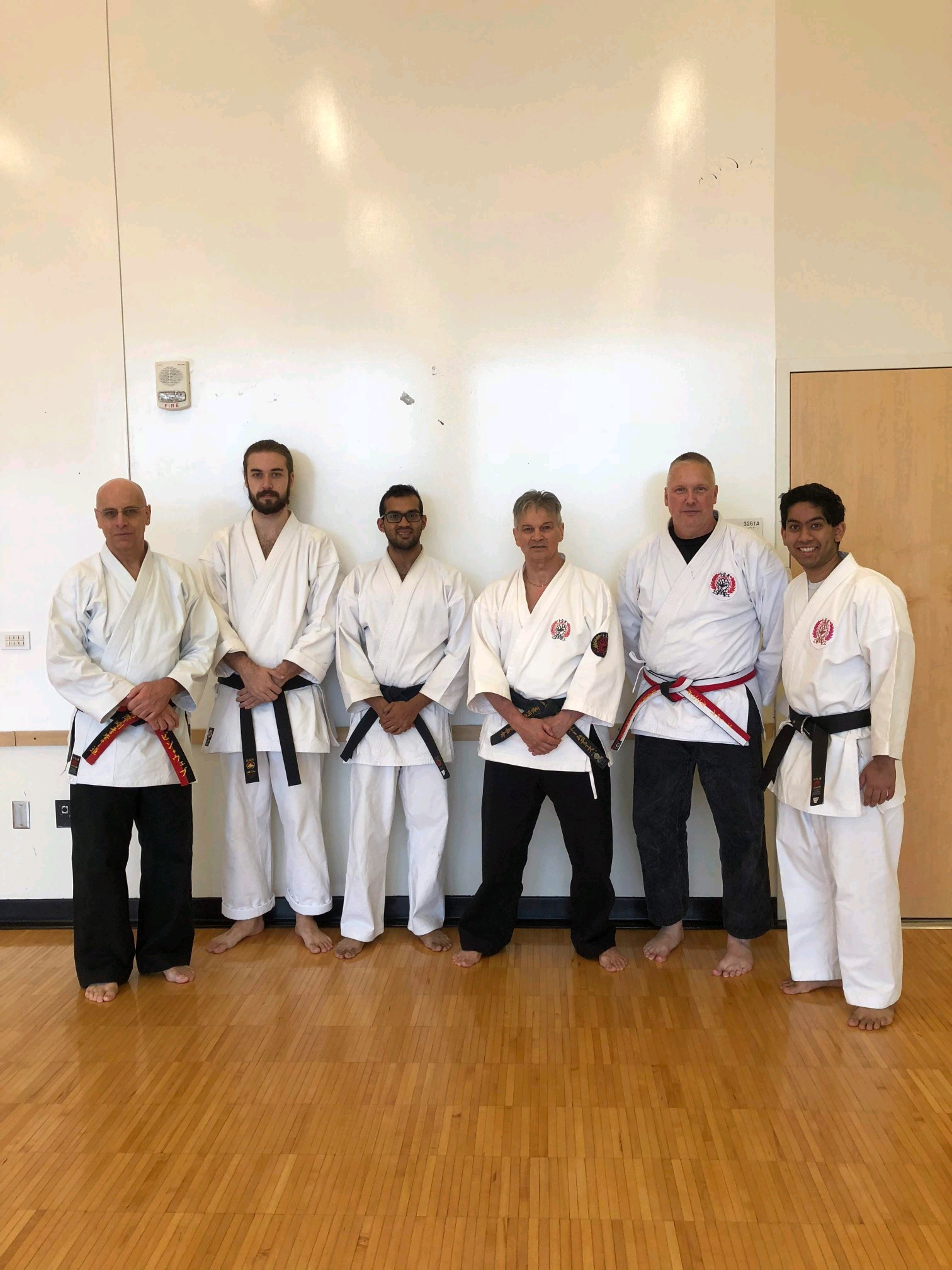
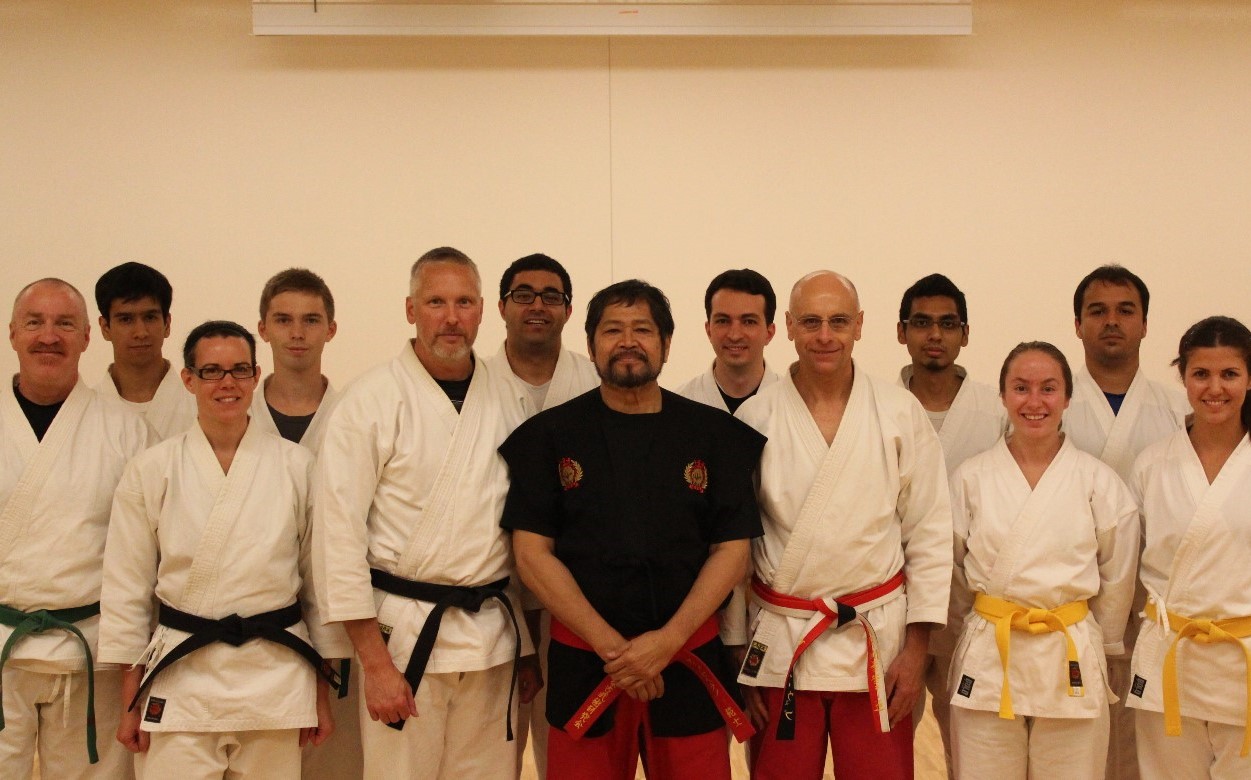
Kyoshi Kevin Webb is a 7th Dan Black Belt and a professor in the School of Electrical and Computer Engineering at Purdue. He has served as the club's master instructor since founding the club at Purdue in 1990. Originally from Australia, he trained under Tino Ceberano, Hanshi (9th Dan), who is a direct student of Gōju Kai karate founder Gōgen Yamaguchi (1909–1989).
Renshi Dan Leaird is a 4th Dan Black Belt and first joined the club in 1995 when he came to Purdue as a graduate student. He served as the club president while a student and as club advisor from 2001 to 2019. Vocationally, he is a senior research scientist and lab manager of the Ultrafast Optics and Optical Fiber Communications Laboratory in the School of Electrical and Computer Engineering.
Sensei Daniel Aliaga is a 3rd Dan Black Belt and a professor in the School of Computer Science at Purdue. He has served as the club advisor since 2021.
Our dojo is recognized under Hanshi Tino Ceberano, and we are proudly a member of the Tino Ceberano Martial Arts Schools.
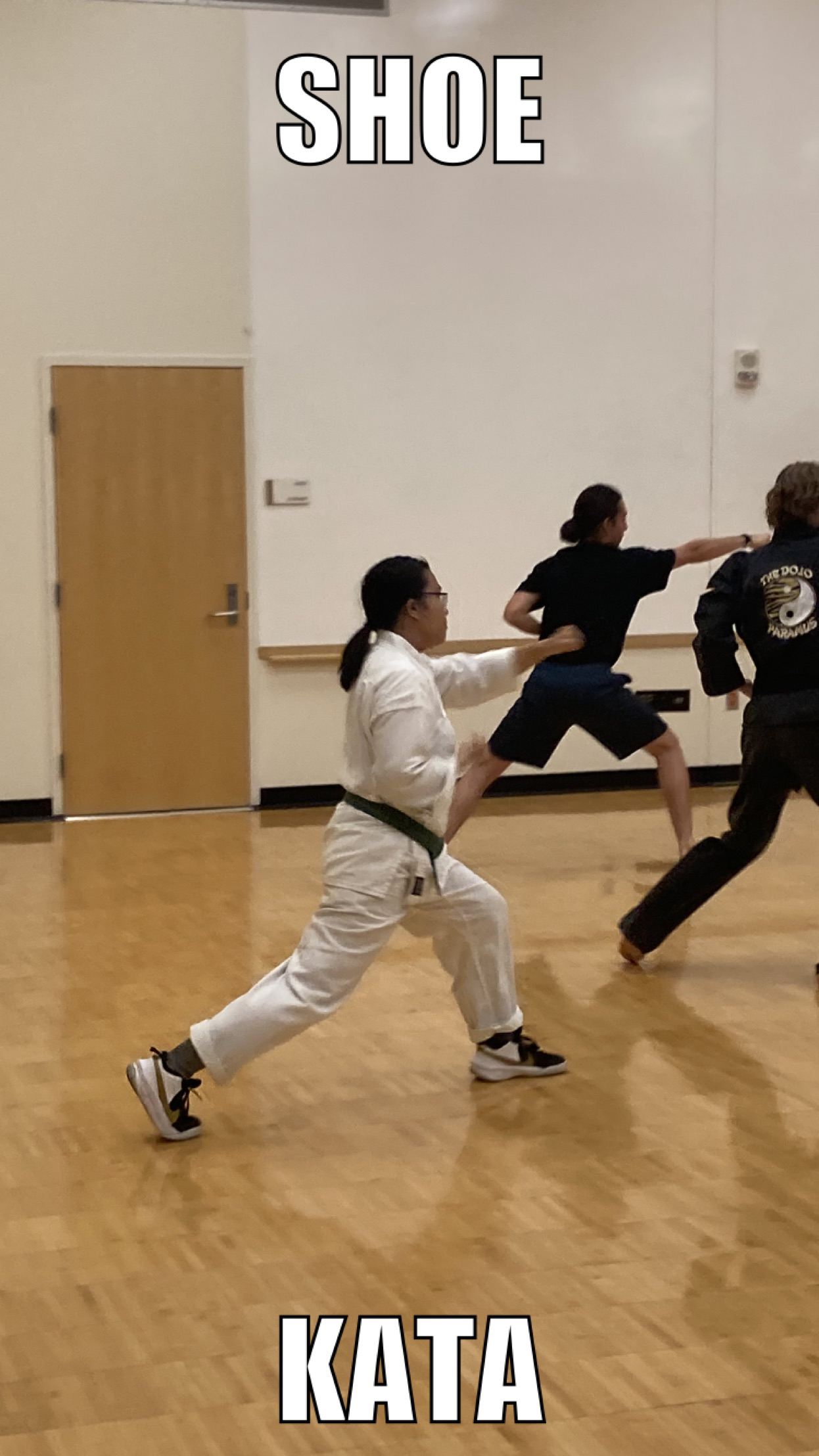
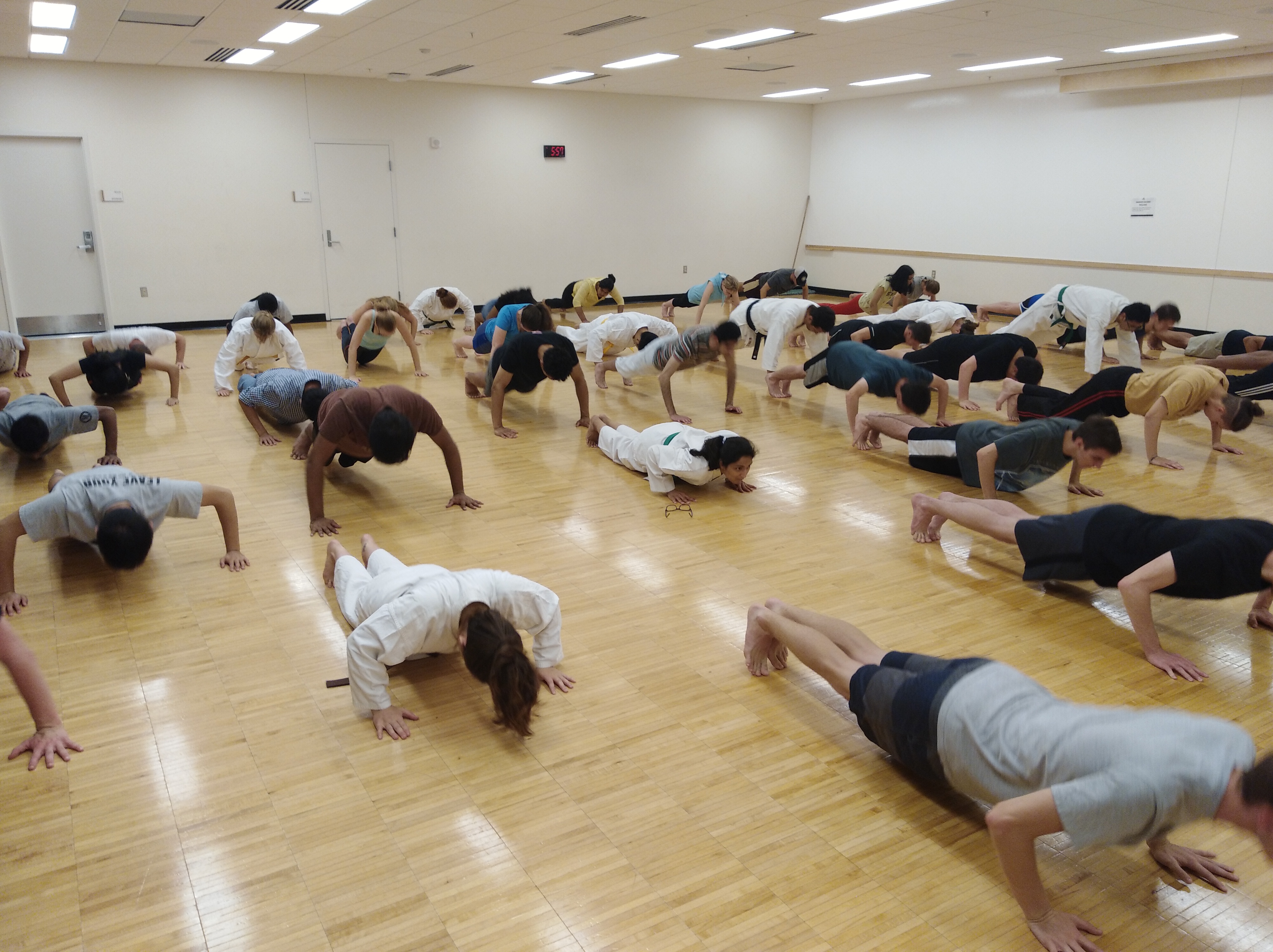
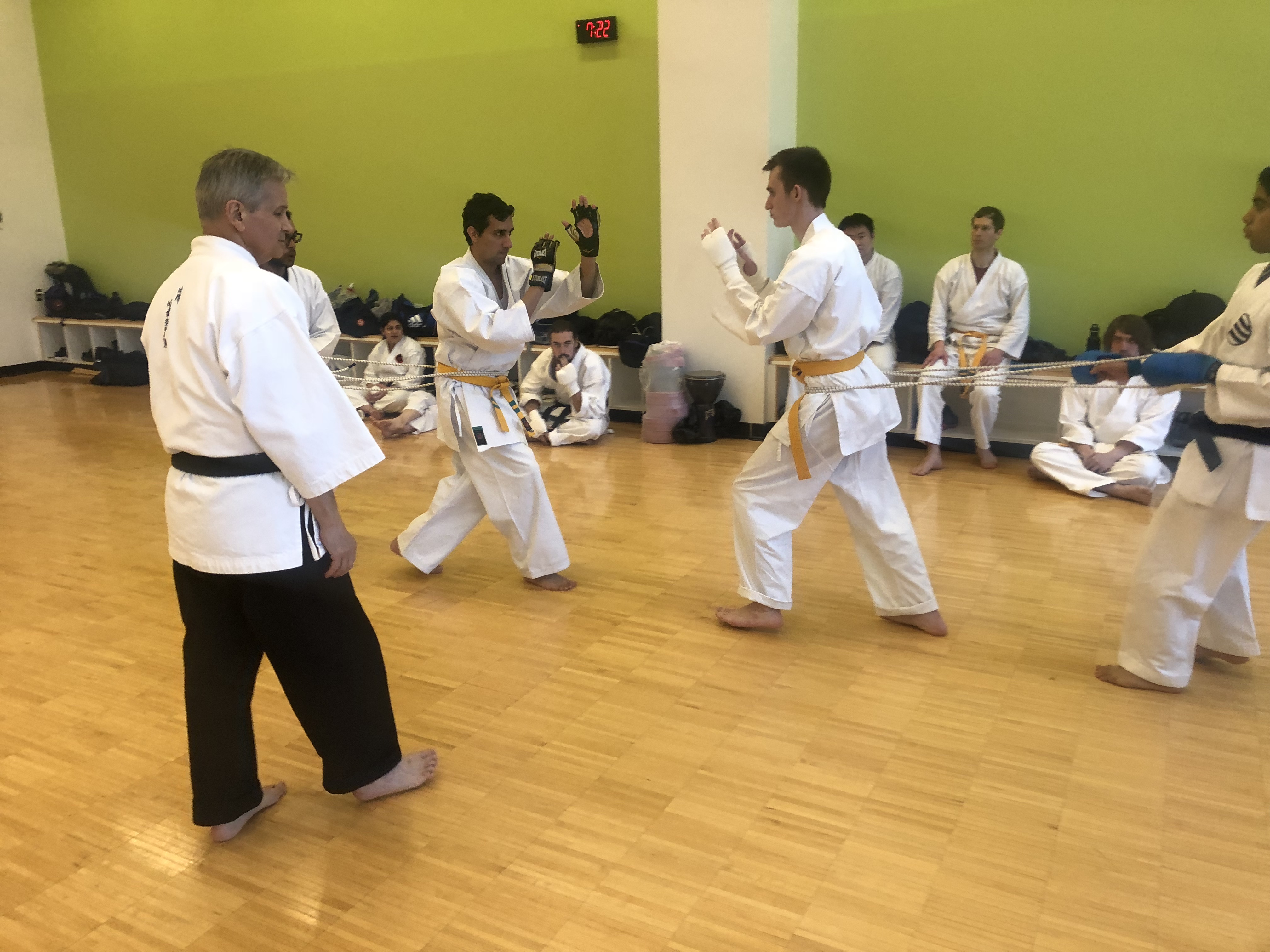
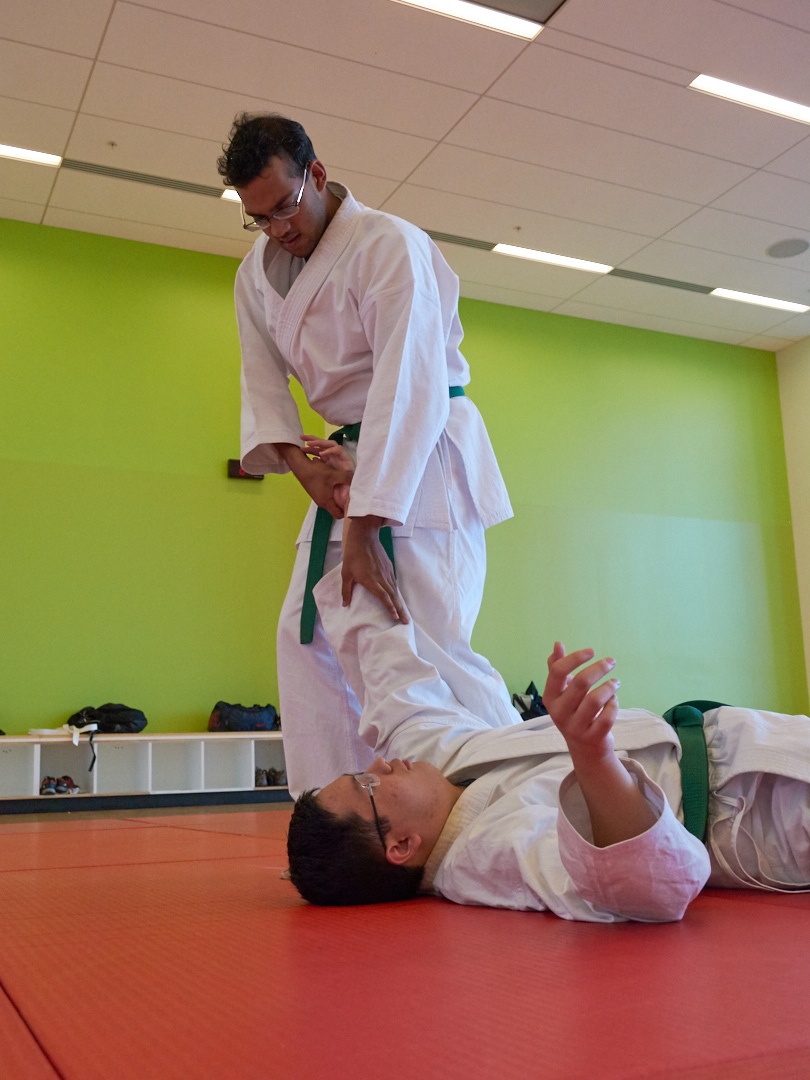
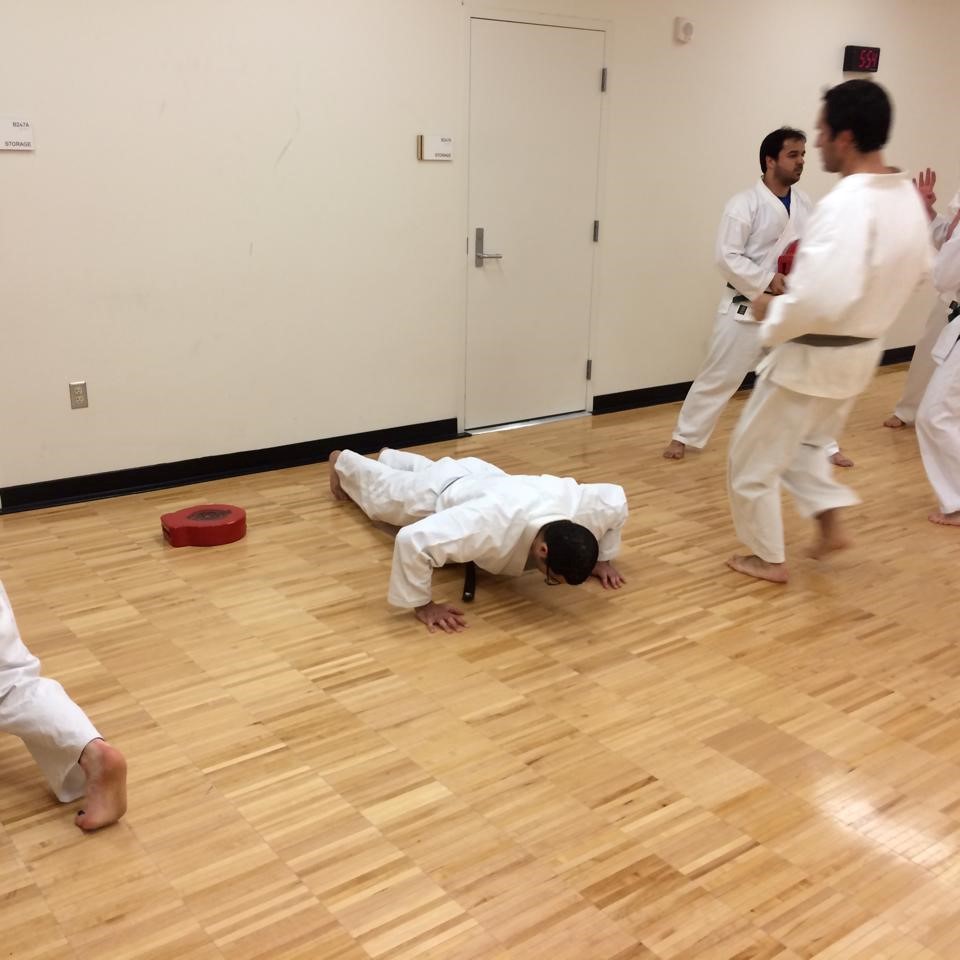
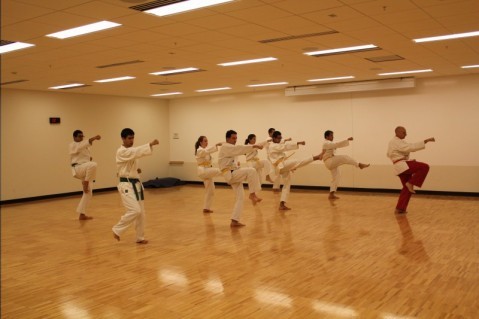
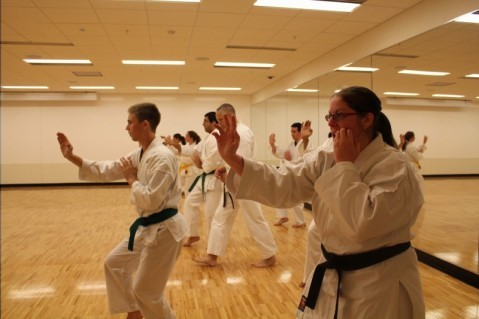
We try to add variety to each workout so that no two classes are the same. A typical class includes different variations of stretching, calisthenics, resistance exercises, karate forms and movements, self defense techniques, grappling (jujitsu), sparring, and kata (formal choreographed patterns of kicks, blocks, and strikes).
Membership is open to anyone affiliated with Purdue University. A Co-Rec membership is also required. Semesterly dues are not assessed for new members until mid-semester, so come try us out fee-free!
Regular gym workout clothes are fine, and bring a water bottle. We train barefoot on a parquet floor. You'll need to sign a Purdue Rec Sports waiver before training.
The traditional uniform (gi) is required for testing and can be ordered online for about $50. We train in white uniforms (karate/student/traditional style).
We train year-round at Purdue, summers and breaks generally included. See the schedule for specifics.
You are welcome to train wearing the belt from your home style. If you would like a Goju belt, you can test in at the level matching your abilities. Many styles of karate are more similar than different!
Grading sessions are held once per semester (fall and spring only), typically on the Friday before classes end. Attend a majority of practices and work hard, and you'll be ready to advance.
Preserving the safety of members is our primary directive, and all training elements are voluntary. However, karate is a contact sport with inherent risks. You can choose which elements you participate in, and accommodations for medical conditions or injuries are readily made.
Check the About section, or Wikipedia has an excellent primer. Searching YouTube for "Goju" with any of the kata names will produce videos close in style to what we practice.
Practices are led by Kyoshi Webb and Sensei Aliaga. Club affairs are managed by the student board.
Reach out via email or social media with any questions.
New members are always welcome.